
You usually do not notice soffit and fascia until something goes wrong. Maybe paint starts peeling near the roofline, animals get into the attic, or water begins staining the siding. That is when homeowners start asking, what is soffit and fascia, and why do they matter so much?
These two parts sit along the edge of your roof and do a lot of quiet work. They help manage airflow, keep moisture out, support your gutter system, and give the outside of your home a finished look. When they are damaged or aging, the problems can spread fast – especially in areas that deal with heavy rain, snow, ice, and seasonal temperature swings.
What is soffit and fascia?
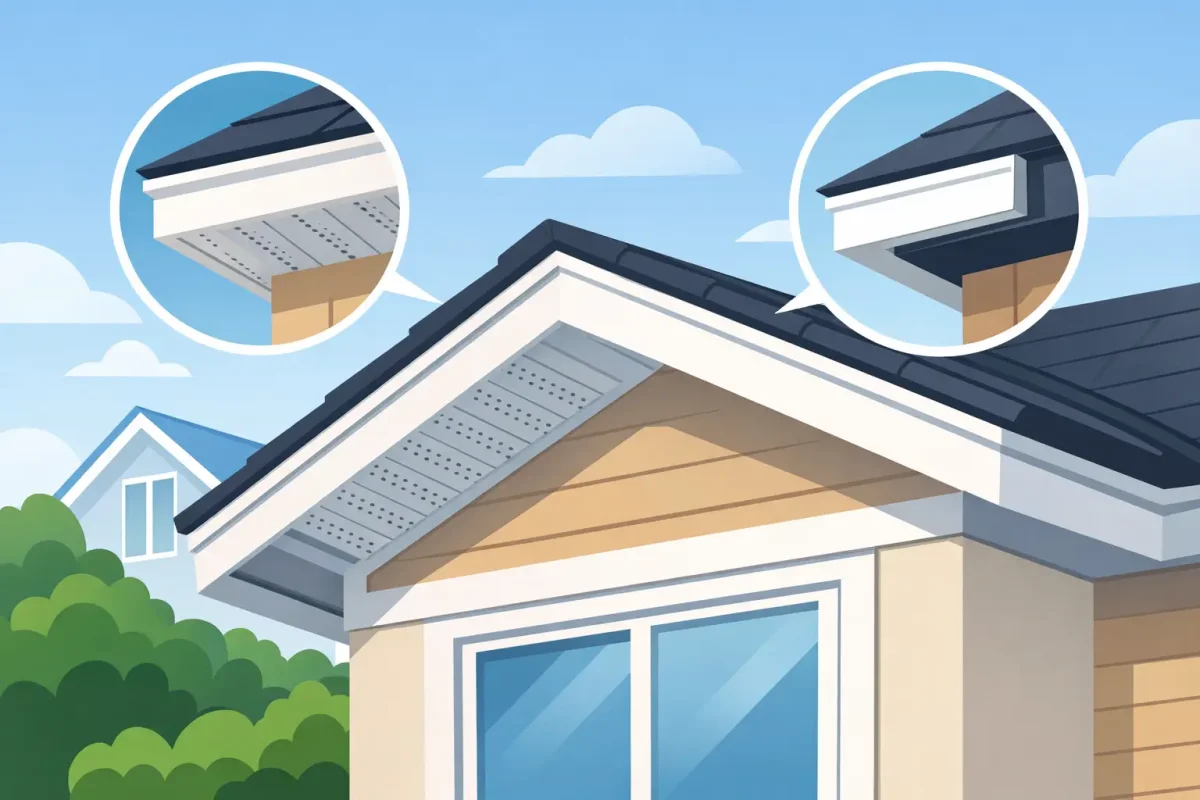
Soffit is the material installed underneath the roof overhang. If you stand beside your home and look up at the underside of the eaves, that is the soffit. Fascia is the vertical board that runs along the roof edge, directly above the soffit. It is the piece your gutters are typically fastened to.
They work as a system, not as separate trim pieces. The soffit helps ventilate and protect the underside of the roof overhang, while the fascia seals the roof edge and gives the gutter system a solid mounting surface. Together, they help your home handle moisture, airflow, and weather exposure more effectively.
For many homeowners, the easiest way to think about it is this: soffit covers the underside, fascia finishes the front edge.
Why soffit and fascia matter more than most homeowners think
Soffit and fascia are not just decorative. Yes, they clean up the look of the roofline and improve curb appeal, but their real job is protection.
Your soffit often includes vents that allow fresh air into the attic. That airflow helps reduce heat buildup in summer and moisture buildup in colder months. Without proper ventilation, attic spaces can trap damp air, which may lead to mold, wood rot, insulation problems, or a shorter roof lifespan.
The fascia takes on a different job. It creates a finished edge at the roofline and helps support the lower edge of the roof. Since gutters are usually attached to the fascia, this piece also needs to stay strong enough to handle water flow, debris weight, and winter ice load.
When either part fails, water can start working its way into places it should not. That can mean damage to rafters, roof decking, siding, insulation, or even interior walls over time.
What soffit and fascia do for your home
The biggest benefit is moisture control. A properly installed soffit and fascia system helps keep rain, snow, and wind-driven moisture from entering vulnerable roofline areas.
Ventilated soffit also supports attic performance. Better airflow can help reduce condensation and support more consistent indoor temperatures. That does not mean soffit alone will solve energy loss, but it does play an important role in a healthy exterior system.
Fascia also helps with structural support at the roof edge. If your gutters are loose, sagging, or pulling away, damaged fascia is often part of the problem.
There is also the appearance factor. Clean, straight fascia and fresh soffit make the entire exterior look more maintained. On many homes, replacing tired roofline components makes as much visual difference as new siding or gutters.
Common materials used for soffit and fascia
Wood was common on older homes, and some houses still have it today. Wood can look good, but it needs regular painting and is more vulnerable to rot, insects, and moisture damage.
Aluminum is a popular low-maintenance option because it resists rot and handles weather well. It is often used when homeowners want a durable finish that pairs well with aluminum trim and eavestrough systems.
Vinyl is another common choice, especially for soffit. It is cost-effective and available in vented styles, but quality matters. Lower-grade vinyl may become brittle over time in harsher climates.
Engineered and composite options are available too, though they are less common in standard residential roofline work. The right material depends on your budget, your home style, and how much ongoing maintenance you want.
For most homeowners, the best choice is the one that balances durability, appearance, and compatibility with the rest of the exterior.
Signs your soffit and fascia may need repair or replacement
Roofline problems are easy to miss from the ground, but there are usually warning signs.
Peeling paint, soft spots, staining, and visible rot are obvious ones. You may also notice gutters pulling away from the house, birds or squirrels getting into the roofline, or dark streaks that suggest poor drainage. In some cases, the soffit panels may sag, crack, or come loose.
Inside the home, attic moisture, musty smells, or unexpected insulation dampness can also point to ventilation or roof edge issues.
Not every issue means full replacement is required. Sometimes a localized repair is enough, especially if the problem is caught early. But if the damage is widespread, or if the existing materials are old and failing in multiple areas, replacement is usually the smarter long-term move.
What causes soffit and fascia damage?
Water is the biggest cause. Overflowing gutters, ice dams, poor roof drainage, and clogged downspouts can all send moisture back toward the fascia and soffit.
Age is another factor. Materials break down over time, especially when they have been exposed to years of sun, wind, and temperature changes. Older wood components are especially prone to rot and splitting.
Pests can also cause damage. Small openings in soffit panels create easy access points for birds, wasps, squirrels, and raccoons. Once animals get in, they often make the problem worse.
Sometimes the issue comes down to poor installation. Inadequate ventilation, loose gutter attachment, or improper flashing details can shorten the life of the entire roofline system.
Repair or replace – what makes sense?
It depends on the condition of the surrounding area. If one small section is damaged by a leak or animal entry, a repair may be all you need. That is especially true if the rest of the system is still solid and the materials are in good shape.
If multiple sections are soft, stained, warped, or pulling away, replacement is usually more cost-effective than repeated patchwork. The same goes for homes with older wood fascia that already needs regular maintenance.
This is also where bigger exterior planning matters. If you are already replacing gutters, roofing, or siding, it often makes sense to address soffit and fascia at the same time. Coordinating the work can improve the final result and reduce future labor costs.
That is one reason many homeowners prefer working with one exterior contractor instead of trying to line up separate trades for each piece of the job.
What homeowners should expect during soffit and fascia replacement
A proper inspection comes first. The contractor should check not only the visible trim but also the condition of the roof edge, gutter attachment points, ventilation setup, and any hidden wood damage underneath.
Once the damaged materials are removed, any rotten substrate or framing issues should be addressed before new components go in. Then the new soffit and fascia are installed, along with any related trim, venting, and gutter reattachment if needed.
The details matter here. Straight lines, secure fastening, correct vent placement, and clean finishing all affect how well the system performs and how good the home looks afterward.
For homeowners, the main goal is simple: get a roofline that looks clean, handles water properly, and does not create more problems a year from now.
What is soffit and fascia replacement really protecting?
It protects more than the roof edge. It helps protect your attic, insulation, siding, gutters, and structural wood around the eaves. It can also help prevent pest entry and reduce the risk of long-term moisture damage that becomes expensive to fix later.
If your exterior already shows signs of wear, soffit and fascia should not be treated as small cosmetic trim. They are part of the home’s defense system. When they are doing their job, you barely think about them. When they are not, the damage often spreads beyond the roofline.
For homeowners who want fewer exterior headaches, this is one of those upgrades that pays off in protection, appearance, and peace of mind. Petra Eavestrough & Siding handles this kind of work as part of a complete exterior approach, which often makes the process faster and more straightforward.
If you are seeing early warning signs along your roofline, it is worth getting them checked before a minor issue turns into a larger repair. A clean, solid roof edge does more than finish the look of your home – it helps keep the whole exterior working the way it should.
26 June 2026
Can You Replace Soffit Without Removing Fascia?

26 June 2026