If one room in your house is always colder, your energy bills keep climbing, or the furnace seems to run nonstop in winter, the problem is usually not just the heating system. In many homes, the real issue is the building envelope. Knowing how to improve home insulation starts with finding where heat is escaping and fixing the parts of the exterior that are no longer doing their job.
For most homeowners, insulation is not a single product hidden behind drywall. It is a system made up of attic insulation, wall performance, siding, house wrap, soffit ventilation, windows, doors, and the small gaps around them. When one part fails, the whole house feels it. That is why the smartest upgrades are usually coordinated, not piecemeal.
How to improve home insulation without guessing
The biggest mistake homeowners make is spending money in the wrong place first. Replacing a furnace before addressing major heat loss, for example, can leave you with a better machine still working against a drafty house. The better starting point is an inspection that looks at where air is leaking, where insulation is missing or compressed, and which exterior components are worn out.
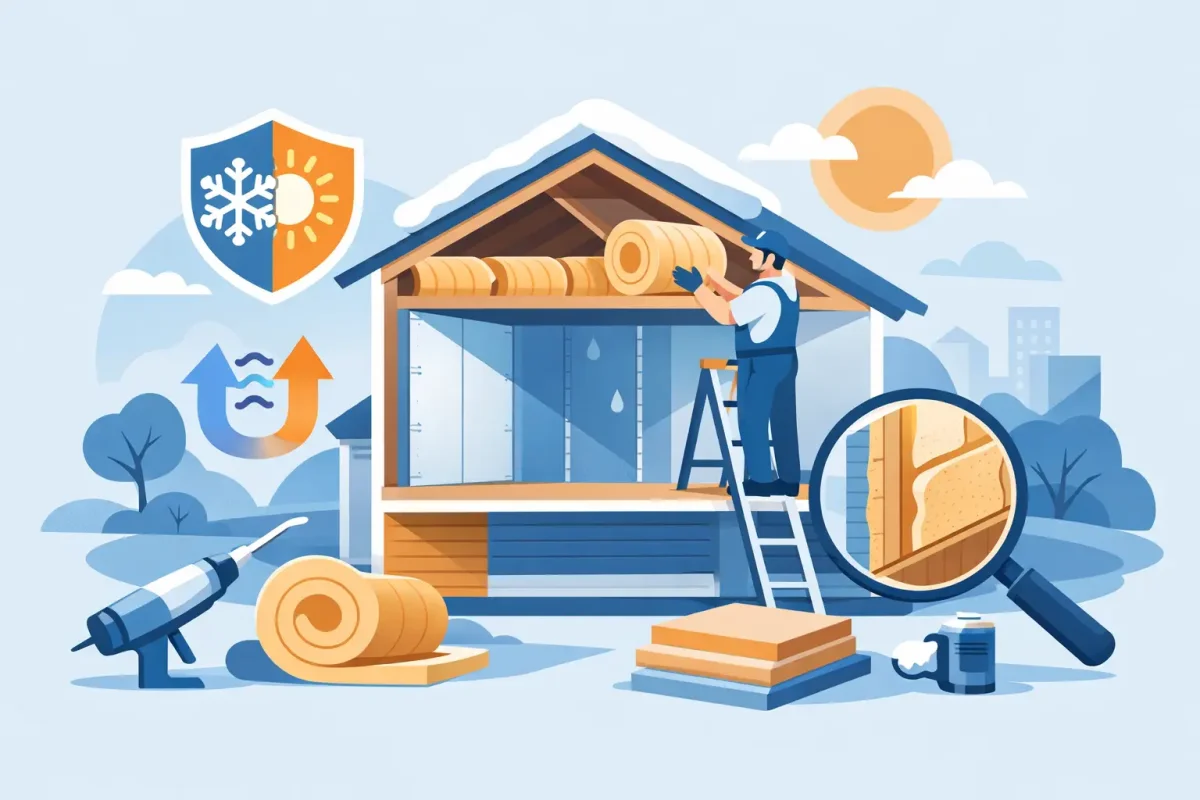
In cold climates, the attic is often the first place to check. Warm air rises, and if the attic floor is under-insulated or full of gaps around vents, light fixtures, and hatch openings, heat escapes fast. That can lead to uneven temperatures, ice dam risk, and higher heating costs. Attic upgrades usually offer strong value because they address a major source of heat loss without requiring a full interior renovation.
Walls matter too, but wall insulation is more complicated. In an existing home, adding insulation inside exterior walls is not always simple unless you are already opening the walls for a remodel. That is where exterior renovation work can make a bigger difference than homeowners expect. When siding is being replaced, it may be possible to improve the wall assembly with better house wrap, rigid insulation board, or other weather-resistant components depending on the structure and budget.
Start with air sealing, not just more insulation
A house can have decent insulation and still feel drafty. That is because insulation slows heat transfer, but air leaks let heated air escape and cold air enter. If you skip air sealing, added insulation will not perform as well as it should.
Common trouble spots include window and door frames, attic penetrations, plumbing and electrical openings, recessed lights, and joints where walls meet the roofline. Older homes often have multiple small leaks rather than one obvious failure. Each leak may seem minor, but together they can make rooms uncomfortable and put more strain on the HVAC system.
This is also why exterior details matter. Worn siding, failed trim, aging caulk, and poorly sealed penetrations can all contribute to air leakage. A clean-looking exterior is not always a well-sealed one. If siding, soffit, fascia, or trim is already due for replacement, that project creates a practical opportunity to improve insulation performance at the same time.
The exterior upgrades that make the biggest difference
If you want to know how to improve home insulation in a way that also protects the house long term, focus on the parts of the exterior that control both heat loss and moisture.
Attic insulation and ventilation
Attic insulation is one of the first upgrades worth considering because it affects comfort year-round. In winter, it helps keep heat inside. In summer, it slows heat gain from the roof. But insulation alone is not enough. Proper ventilation through soffit and roof vents helps manage moisture and temperature in the attic.
This is where trade-offs matter. Adding more insulation without correcting ventilation problems can create moisture issues. On the other hand, ventilation without enough insulation will not solve heat loss. The best result comes from both working together.
Siding and wall system upgrades
New siding can do more than improve curb appeal. If the old exterior is being removed, the wall assembly can often be upgraded with better weather barriers and, in some cases, added continuous insulation. This can reduce drafts and improve the overall thermal performance of the home.
The exact improvement depends on the existing wall construction. Some homes will see noticeable gains from insulated backing or rigid foam board. Others benefit more from replacing damaged materials and tightening the building envelope. The point is not that every siding project dramatically changes insulation values. It is that siding replacement gives contractors access to areas where meaningful energy upgrades can be made.
Windows and doors
Old windows and doors are a common source of discomfort, especially if you feel drafts near the glass or frame. Replacing them can improve comfort and reduce air leakage, but not every home needs full replacement right away. Sometimes the issue is failed sealing around the unit rather than the unit itself.
If windows are single-pane, damaged, hard to operate, or visibly inefficient, replacement is often worth it. If they are relatively modern but poorly sealed, targeted repair work may help. Doors are similar. A new insulated entry door with proper weatherstripping can make a clear difference, but installation quality matters just as much as the product.
Roofing, soffit, and fascia
Homeowners do not always connect roofing components to insulation performance, but they should. The roof system helps manage moisture, ventilation, and temperature balance. Soffit and fascia are especially important because they support proper attic airflow and protect vulnerable edges of the roof.
If these components are deteriorating, blocked, or improperly installed, insulation can only do so much. Exterior upgrades that restore ventilation and weather protection often improve the effectiveness of the insulation you already have.
When a full exterior approach makes more sense
Some insulation problems are really signs of broader exterior failure. If you have aging siding, recurring drafts, water intrusion, peeling trim, and rising utility bills, patching one area at a time may cost more in the long run. A coordinated exterior upgrade can be more efficient because the work is planned together, the house is opened up once, and the installation details are handled as a system.
That approach is especially useful for homeowners who want fewer contractors, faster timelines, and one clear scope of work. Petra Eavestrough & Siding works with homeowners who are already thinking this way – not just fixing one issue, but improving protection, efficiency, and appearance in a single project.
What to expect from a professional inspection
If you are not sure where the heat loss is happening, a professional inspection gives you a clearer path than trial-and-error upgrades. A good inspection looks at visible exterior wear, likely air leakage points, attic conditions, ventilation, window and door performance, and signs of moisture damage.
From there, the right recommendation depends on the home. One house may need attic insulation and soffit correction first. Another may benefit more from replacing worn siding and tightening the wall assembly. Another may have most of its comfort issues coming from old windows and poor sealing around openings.
That is why the best answer is rarely a generic list pulled from the internet. It depends on the age of the house, the condition of the exterior, and whether you want a short-term fix or a longer-term upgrade plan.
How to prioritize insulation improvements on a budget
If you cannot do everything at once, start with the upgrades that stop the biggest losses first. In many homes, that means attic air sealing and insulation. After that, address major draft sources such as failed windows, doors, and exterior gaps. If siding or roofing components are near the end of their life, it often makes sense to fold insulation-related improvements into that replacement project rather than paying for separate work later.
The cheapest fix is not always the best value. Caulking a few visible gaps may help, but it will not solve problems caused by a failing wall assembly or underperforming attic. On the other hand, replacing every window before checking the attic may not deliver the savings you expected. Good prioritization is what keeps the budget working hard.
Improving insulation should make your home feel more even, quieter, and easier to heat and cool. It should also reduce the risk of moisture problems caused by uncontrolled air movement. If your house is telling you something with drafts, cold rooms, or high bills, it is worth listening before another season passes and the same problems keep costing you money.
10 July 2026
Roof Repair vs Replacement: What Makes Sense?
10 July 2026