
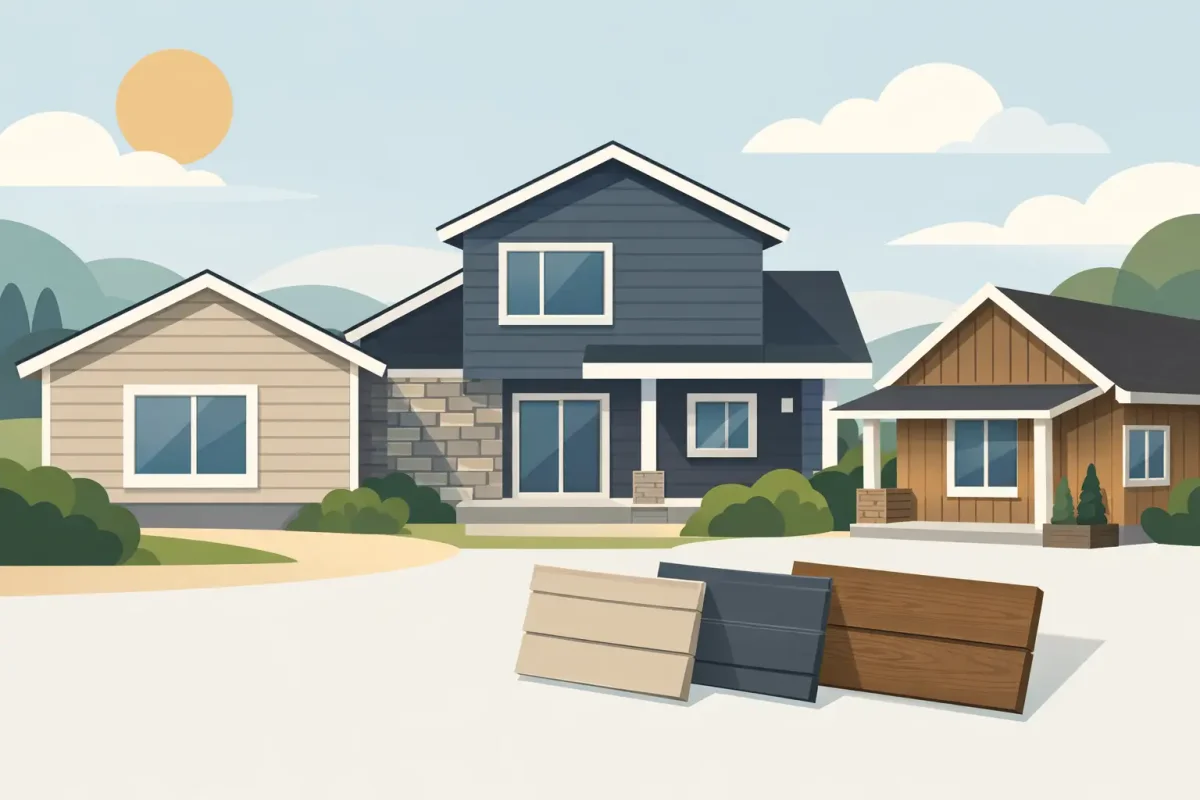
A fresh exterior should not create a new weekend chore list. Homeowners looking at the best low maintenance siding options usually want the same things: dependable weather protection, strong curb appeal, and a material that will not require constant painting, scraping, or repair.
The right choice depends on your home’s style, budget, exposure to sun and moisture, and the condition of the walls underneath. In areas with cold winters, heavy rain, wind, and freeze-thaw cycles, siding also needs to be installed correctly around windows, doors, rooflines, soffit, fascia, and eavestroughs. Even the best material can fail when water is allowed behind it.
What “Low Maintenance” Really Means
No exterior material is completely maintenance-free. Dust, pollen, road salt, and mildew can build up on any siding. The difference is how much work it takes to keep the material looking good and performing properly over time.
A low-maintenance siding product should resist moisture, insects, rot, and fading. It should hold its color well, clean up with a light wash, and avoid the regular repainting cycle associated with traditional wood. It should also be durable enough to handle everyday impacts, including lawn equipment, windblown debris, and the occasional ball against the wall.
For most homeowners, the best value is not simply the least expensive material on day one. It is the material that protects the home for years without demanding frequent repairs or major upkeep.
Best Low Maintenance Siding Options Compared
Vinyl Siding: Practical, Affordable, and Easy to Care For
Vinyl remains one of the most popular choices for homeowners who want a clean look without ongoing painting. It is available in many colors, profiles, and textures, including horizontal lap siding, board-and-batten styles, and shake-style accents.
Its main advantage is simple ownership. Vinyl does not rot, and it generally needs only occasional cleaning with a garden hose and a soft brush. Quality insulated vinyl products can also improve the appearance of older exterior walls and may contribute to better energy performance when paired with proper wall insulation.
The trade-off is that lower-grade vinyl can become brittle in extreme cold, fade over time, or crack after a hard impact. Dark colors can also show heat-related movement more than lighter tones. Choosing a thicker, high-quality panel and having it installed with the correct expansion spacing makes a major difference.
Vinyl is a strong fit for homeowners who want reliable performance, broad color selection, and a cost-conscious exterior upgrade.
Fiber Cement: Strong Protection With a Premium Look
Fiber cement siding is made from cement, sand, and cellulose fibers. It is valued for its substantial feel and its ability to resemble painted wood, cedar shingles, or smooth modern panels without the maintenance demands of natural wood.
This material handles moisture, insects, and fire exposure well. It will not rot, and it performs particularly well on homes where homeowners want crisp lines and a higher-end finish. Fiber cement is also a good option for homeowners who want darker colors or a more traditional painted-siding appearance.
It does require more investment than vinyl, both for material and installation. Fiber cement is heavy, and it must be cut, flashed, fastened, and sealed correctly by an experienced crew. Factory-finished products reduce painting needs, but caulked joints, trim, and painted cut edges should still be inspected periodically.
Fiber cement is low maintenance, not zero maintenance. A gentle annual wash and a check around penetrations, trim, and roof-to-wall connections help protect the investment.
Engineered Wood: Warm Style With Less Work Than Real Wood
Engineered wood siding gives homeowners the grain and character of wood without the same level of upkeep. It is manufactured from treated wood strands and resins, then finished with durable coatings designed to resist moisture and decay.
For homes that need a traditional, craftsman, farmhouse, or cottage-inspired appearance, engineered wood can provide a convincing result. It is lighter and easier to install than fiber cement, and it offers more impact resistance than many homeowners expect.
The key consideration is moisture management. Engineered wood performs well when it is installed with proper clearances from roofing, decks, grade, and masonry. Flashing around windows and doors is equally important. If water repeatedly reaches unprotected edges or gets behind the siding, any wood-based product can be vulnerable.
This option works best for homeowners who want the visual warmth of wood, prefer a lower-maintenance alternative, and are committed to professional installation and periodic exterior inspections.
Metal Siding: Modern, Durable, and Built for Tough Conditions
Metal siding, usually aluminum or steel, is a strong choice for contemporary homes and homeowners who prioritize durability. It does not rot, attracts no insects, and can stand up well to moisture when properly finished and installed.
Steel siding offers excellent impact resistance and a sharp, modern profile. Aluminum is lightweight and naturally resistant to rust, which can make it appealing in damp environments. Both materials are available in a range of colors and can be used across an entire home or as an accent around entryways, gables, and upper stories.
Metal siding is not always the best fit for every property. It can cost more than standard vinyl, and lower-quality panels may dent. Scratches should be addressed promptly to protect the finish, particularly on steel products. Homeowners should also consider how the material will look alongside existing brick, stone veneer, windows, and roofing.
When installed by a qualified exterior contractor, metal siding can deliver decades of low-maintenance performance with a distinct architectural look.
Why Installation Matters as Much as the Material
Siding is part of a complete water-management system, not just a cosmetic layer. Moisture must be directed away from the roof, walls, windows, and foundation. That means the siding installation needs to work with flashing, house wrap, soffit, fascia, eavestroughs, downspouts, and roof details.
A contractor should inspect more than the visible siding before recommending a replacement. Soft sheathing, damaged trim, leaking gutters, poor drainage, or failing window caulking can all create hidden problems behind new panels. Covering those issues without correcting them may lead to rot and expensive repairs later.
A coordinated exterior project can also improve the finished look. Replacing worn siding alongside soffit, fascia, eavestroughs, and trim creates cleaner lines and reduces the chance of mismatched colors or incomplete water protection.
Choosing the Right Siding for Your Home
Start with how you want the home to look in 10 to 20 years, not just how it will look on installation day. Vinyl is often the practical choice for dependable performance at a lower upfront cost. Fiber cement suits homeowners seeking a premium painted appearance and strong weather resistance. Engineered wood brings warmth and texture with less upkeep than natural wood. Metal works well for homes with a modern design and a focus on long-term durability.
Also consider the side of the house that receives the most sun, areas exposed to driving rain, and locations near landscaping or walkways where impacts are more likely. A material that performs well on a protected front elevation may need a different approach on an exposed rear or side wall.
Color matters, too. Lighter colors generally show less fading and heat movement. Darker colors can look dramatic, but they require a siding product rated for that finish and an installation method that allows for proper expansion and contraction.
A Better Way to Plan a Low-Maintenance Exterior
The best siding decision begins with an on-site inspection, not a catalog. A professional should check the condition of the existing walls, identify water risks, measure the home accurately, and explain which materials match your goals and budget.
Petra Eavestrough & Siding helps homeowners plan exterior upgrades as a complete system, whether the project involves a full siding replacement or targeted repairs around damaged trim, gutters, soffit, and fascia. Clear recommendations, professional installation, and a final walkthrough help ensure the finished exterior is built to last.
If your current siding is cracking, fading, warping, or allowing moisture near windows and trim, waiting rarely makes the repair simpler. An inspection can show what needs attention now and help you choose a siding solution that keeps your home protected without adding more work to your schedule.

24 July 2026
What Exterior Renovation Warranties Should Cover
24 July 2026