
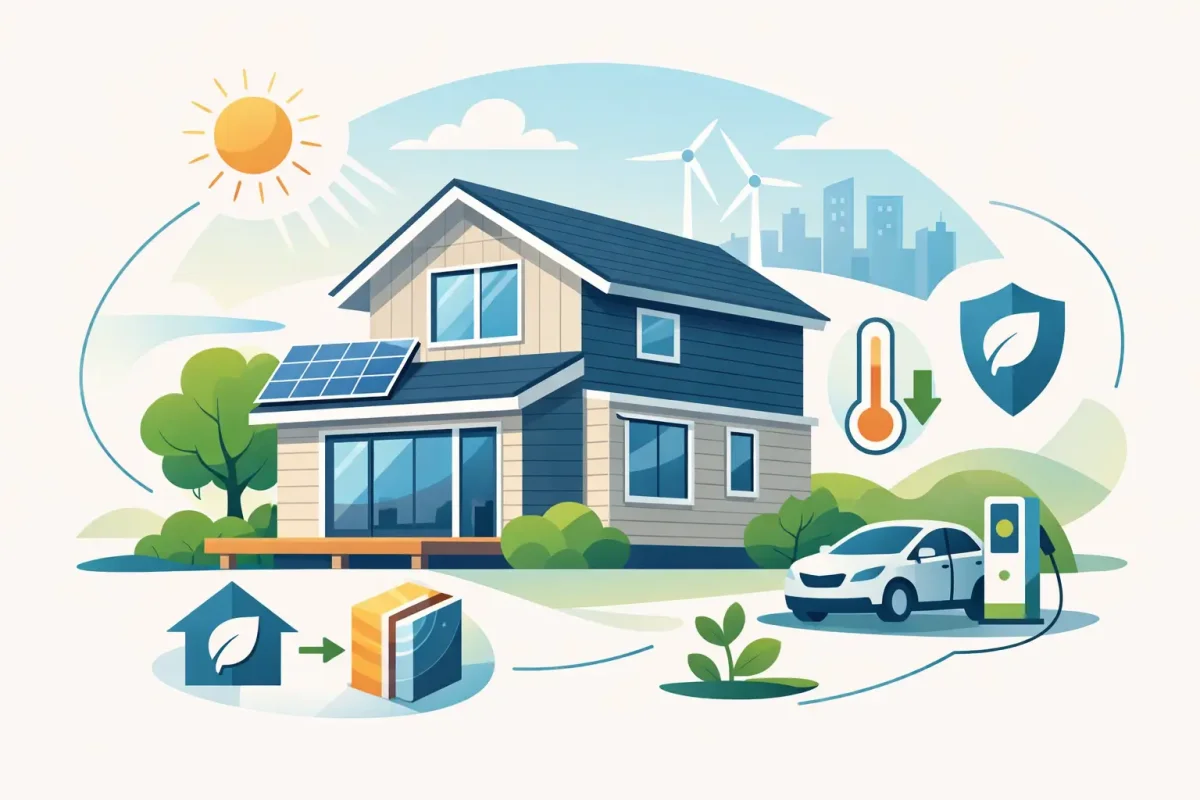
A siding project is no longer just about replacing faded panels or changing your home’s color. The most useful energy efficient siding trends focus on the parts of the exterior that affect comfort every day: insulation, air movement, moisture control, and precise installation. For homeowners dealing with cold rooms, rising utility bills, or an aging exterior, the right system can protect the house while making it look better from the street.
The key word is system. New siding can contribute to a more efficient home, but it cannot correct every source of heat loss on its own. Windows, roof ventilation, attic insulation, doors, soffit, fascia, and flashing all play a role. A good exterior plan identifies where the problem is coming from before recommending materials.
Energy Efficient Siding Trends That Matter
Some exterior trends are mostly about appearance. Others make a real difference in how a wall assembly manages heat and water. These are the upgrades worth understanding before you choose a siding profile or schedule an installation.
Insulated vinyl siding is becoming a practical upgrade
Insulated vinyl siding pairs durable vinyl panels with a rigid foam backing. The backing helps reduce heat transfer through the wall and gives the siding a firmer, straighter appearance after installation. It can be a practical choice for homeowners who want a low-maintenance exterior without the cost and upkeep associated with some natural materials.
It is especially useful when existing siding is being removed and the wall surface needs attention. However, its insulating value is only one part of the equation. If there are gaps around windows, damaged sheathing, or missing insulation inside the wall, those issues should be addressed during the project. Installing premium siding over hidden defects is not an efficient upgrade.
Continuous exterior insulation is getting more attention
Adding rigid insulation beneath new siding is one of the strongest trends for major exterior renovations. Unlike insulation placed only between wall studs, continuous insulation creates an added thermal layer across the outside of the home. This helps limit thermal bridging, where heat moves through framing members more easily than through insulated cavities.
This approach requires proper planning. Window and door trim details may need to be extended, and installers must create a reliable drainage plane behind the siding. The investment can make sense when walls are being opened, old cladding is coming off, or the home has persistent comfort issues. For a simple cosmetic siding replacement, it may be more than the project requires.
Weather-resistant barriers are no longer an afterthought
The material behind the siding is just as important as the siding you see. Modern housewraps and weather-resistant barriers help manage bulk water and reduce unwanted air movement while allowing the wall to dry appropriately. Correct overlaps, taped seams, flashing, and integration around openings matter far more than a product label alone.
This is where experienced installation protects the value of the project. Water entering behind siding may not be visible right away, but it can damage sheathing, insulation, and framing over time. A properly detailed barrier gives the home another layer of defense against wind-driven rain and seasonal weather.
Ventilated wall assemblies help siding dry
Homes need a way to manage moisture, especially in climates with rain, snow, humidity, and wide temperature swings. Rainscreen and ventilated siding systems create a small drainage and ventilation space behind the cladding. That gap allows water that gets behind the siding to drain out and promotes drying.
Not every home needs the same wall assembly. The best option depends on the siding material, the existing wall condition, local exposure, and the scope of renovation. Still, the move toward better drainage details is a smart one. It protects the home’s structure instead of relying on siding alone to keep every drop of water out.
Fiber cement and engineered wood offer efficient, durable options
Vinyl remains popular because it is cost-effective and low maintenance, but homeowners are also considering fiber cement and engineered wood for stronger style options and long-term durability. These materials can be part of an energy-conscious renovation when installed over a well-designed weather barrier and insulation layer.
Fiber cement offers a solid look and excellent resistance to fire, insects, and rot, but it is heavier and installation is more labor-intensive. Engineered wood can deliver the warmth of wood grain with improved durability, though it must be carefully installed and maintained according to manufacturer requirements. Neither material automatically makes a home more energy efficient. The benefit comes from the complete wall system behind it.
Why Installation Quality Affects Energy Performance
A siding panel does not stop drafts if the wall behind it has unsealed gaps. This is why the most valuable trend is not a color or texture. It is careful prep work.
Before siding goes up, a qualified contractor should inspect the existing exterior for water damage, soft sheathing, poor flashing, deteriorated caulking, and problem areas around windows and doors. Repairing these conditions while the wall is accessible is usually far more practical than discovering them after new siding is installed.
Installation details also need room for materials to perform as designed. Vinyl expands and contracts with temperature changes, so it must be fastened correctly rather than nailed too tightly. Flashing must direct water out, not trap it behind trim. Vents, utility penetrations, and roof-to-wall transitions need proper finishing. Small shortcuts in these areas can lead to moisture issues that reduce both comfort and the service life of the exterior.
Coordinating Siding With Other Exterior Upgrades
The best energy results often come from planning connected exterior work together. If siding is being replaced, it is the right time to assess soffit and fascia, gutter placement, trim, windows, doors, and roof transitions. These components meet at the edges of the home, and those edges are where leaks and air gaps often develop.
For example, replacing old windows after new siding is installed can require disturbing finished trim. Replacing gutters without correcting damaged fascia may only postpone the problem. Coordinating the work can reduce repeat labor, create a cleaner finished look, and make sure water is carried away from the home as intended.
A complete exterior inspection should look for these common concerns:
- Siding that is cracked, warped, loose, or showing repeated moisture staining
- Soft spots near window openings, rooflines, corners, and lower wall sections
- Drafty rooms or noticeable temperature differences near exterior walls
- Gutters that overflow, pull away, or discharge too close to the foundation
- Peeling trim, damaged soffit, or signs that attic ventilation needs attention
Choosing the Right Siding System for Your Home
There is no single best siding option for every property. The right choice depends on your budget, the age and condition of the house, the look you want, and whether your goal is basic replacement or a full efficiency upgrade.
If the existing wall is dry and structurally sound, a quality siding replacement with updated barriers and correctly sealed details may be enough. If the home has recurring drafts, moisture damage, or exposed walls during a larger renovation, adding exterior insulation and improved drainage details may provide better long-term value.
Ask for clear information about what will happen behind the siding, not just what will be installed on the surface. A detailed estimate should explain removal, wall repairs if needed, weather barrier work, insulation options, flashing, trim, cleanup, and warranty coverage. That makes it easier to compare proposals fairly and avoid surprises once the old siding comes off.
A Better Exterior Starts With the Right Assessment
Energy efficiency is not about chasing the newest material. It is about correcting the weak points that let water, air, and heat move where they should not. The strongest siding projects combine durable cladding with sound wall preparation, dependable drainage, and clean finishing around every opening.
If your siding is aging or your home feels harder to heat and cool than it should, start with an on-site exterior assessment. A clear look at the full picture can turn a routine replacement into an upgrade that protects your home, improves curb appeal, and delivers more comfortable rooms for years ahead.

5 September 2026
Vinyl Siding Contractor Review Checklist
5 September 2026