
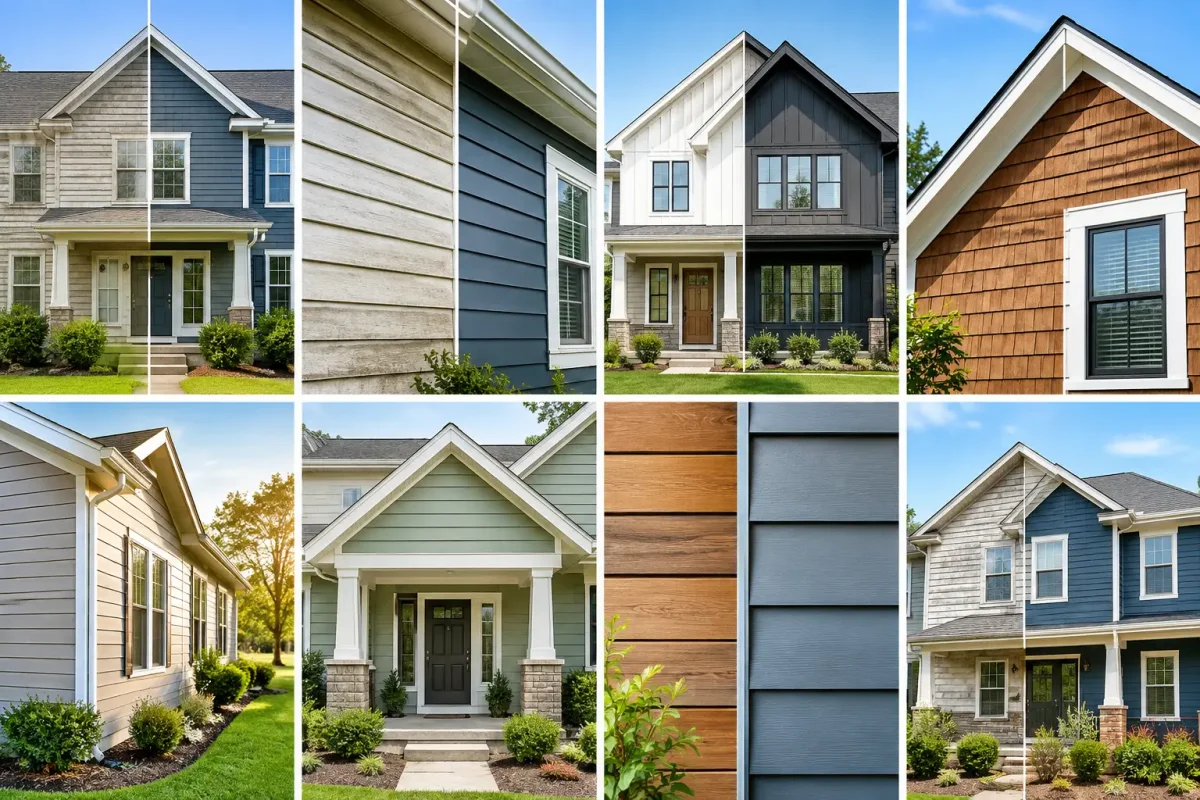
A faded exterior rarely stays a cosmetic issue for long. Cracked panels, open seams, and worn trim can let moisture reach the wall system while making an otherwise well-kept home look neglected. These siding transformation examples show what changes when a project is planned around protection as well as curb appeal.
The strongest results do not come from choosing a new color alone. They come from addressing the full exterior: siding, trim, gutters, soffit, fascia, windows, doors, and any problem areas behind the old cladding. That is how homeowners get an upgrade that looks finished and performs through years of sun, rain, wind, and temperature swings.
8 Siding Transformation Examples Homeowners Can Learn From
1. Faded vinyl replaced with a clean, modern neutral
A home with older beige or gray vinyl can look dated even when the siding is still mostly intact. Replacing it with a current neutral such as warm white, soft gray, or deep taupe creates an immediate visual reset. The difference is especially noticeable when the new siding has a stronger profile and cleaner lines than the original material.
The practical benefit is just as valuable. New siding installation gives the contractor a chance to inspect the wall for moisture damage, replace failed flashing, and seal vulnerable areas around windows and doors. Fresh siding on top of unresolved leaks may look good at first, but it will not protect the home properly.
2. A dark siding color balanced with bright trim
Dark blue, charcoal, and deep green siding can make a plain home look more substantial. The key is contrast. Bright white, cream, or light gray trim around windows, corners, and rooflines keeps the exterior from looking flat or overly heavy.
This approach works well on homes with simple architecture because the trim creates definition. It also requires realistic material selection. Dark colors absorb more heat, so homeowners should choose a siding product designed to handle thermal movement and have it installed with the correct fastening and expansion allowances.
3. Stone veneer added to the lower front elevation
One of the most effective siding transformation examples combines horizontal siding with stone veneer. Rather than covering every wall in stone, a focused installation on the lower front elevation, around an entryway, or on porch columns adds texture without overwhelming the home.
Stone works particularly well when the existing exterior feels wide and plain. It adds weight at ground level and gives the entrance a stronger focal point. For the finished result to last, the transition between stone and siding must be properly flashed so water is directed away from the wall assembly.
4. Worn aluminum siding updated with low-maintenance panels
Older aluminum siding may be dented, chalky, noisy in high winds, or difficult to match after repairs. Replacing it can dramatically improve appearance while reducing future maintenance. Modern vinyl and engineered siding options offer more consistent color, realistic texture, and better resistance to everyday wear.
Material choice depends on the home and the homeowner’s priorities. Vinyl is a practical option for many budgets and requires little upkeep. Engineered products can offer a more substantial look and stronger impact resistance. A professional inspection helps determine whether the existing wall needs repair before new siding goes on.
5. New siding paired with replacement windows
A siding project is often the right time to replace aging windows. Both jobs affect the same wall openings, trim details, and weatherproofing layers. Completing them together creates a cleaner finish and reduces the risk of disturbing brand-new siding later to install windows.
The visual change can be substantial. New windows with slimmer frames, coordinated trim, and a complementary siding color make an older façade feel brighter and more intentional. From a performance standpoint, correctly installed windows and siding help reduce drafts and water intrusion around some of the most vulnerable parts of the exterior.
6. Board-and-batten used as an accent, not everywhere
Board-and-batten siding brings vertical lines that can make a low or wide home appear taller. It is often most effective on gables, entry bump-outs, or a small upper section, paired with horizontal siding on the main walls.
Using it as an accent also controls cost and keeps the design balanced. A full board-and-batten exterior can be a great fit for certain home styles, but not every house needs that amount of vertical detail. The best design follows the roofline, the home’s proportions, and the surrounding features instead of chasing a trend.
7. A complete roofline refresh with soffit, fascia, and gutters
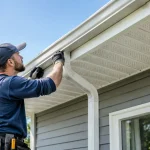
New siding can still look incomplete if the soffit is stained, the fascia is peeling, or the gutters are bent and undersized. A roofline refresh ties the exterior together while solving real water-management concerns.
Soffit supports attic ventilation. Fascia protects the edge of the roof structure and provides a secure mounting surface for gutters. Gutters move rainwater away from the foundation when they are properly sized, pitched, and connected to functional downspouts. Updating these components during a siding project often produces a sharper result and avoids mismatched colors later.
8. A damaged exterior rebuilt around problem areas
Sometimes the biggest transformation is not a color change. It is repairing what is hidden behind the old siding: soft sheathing, damaged framing, missing insulation, insect damage, or water staining around a window or roof intersection.
A reliable contractor does not cover these issues and move on. The damaged material should be removed, the source of moisture corrected, and the wall rebuilt with the appropriate weather barrier and flashing details. The finished siding may be what everyone sees, but the repair work underneath is what protects the investment.
What Makes a Siding Transformation Last?
A high-quality result begins with a careful inspection. The contractor should look beyond visible damage and check the condition of the trim, wall surfaces, window openings, roof intersections, and drainage system. This step determines whether the project is a straightforward replacement or whether repairs are needed first.
Installation details matter as much as the siding itself. Proper flashing, starter strips, fasteners, expansion gaps, sealed penetrations, and finished trim prevent common problems such as buckling, loose panels, and water intrusion. Homeowners should also ask what is included in the quote. Removal and disposal of old materials, repairs to damaged substrate, cleanup, warranty coverage, and the handling of gutters or trim can affect the final price and the finished appearance.
Color selection deserves more thought than many homeowners expect. Consider the roof color, driveway, brick or stone accents, neighboring homes, and the amount of direct sun the front elevation receives. A sample viewed indoors can look very different outside. Reviewing larger samples against the home at different times of day helps prevent a costly decision based on a small swatch.
Plan the Exterior as One System
Siding performs best when it is not treated as an isolated surface. Water can enter where a roof meets a wall, around a window, behind a loose fascia board, or through an overflowing gutter. Coordinating these details creates a more durable envelope and avoids repeat work.
For homeowners planning a full update, Petra Eavestrough & Siding approaches the exterior as a connected system. That means recommending only the work the home needs, coordinating compatible materials, and completing the project with a clean, finished appearance rather than leaving separate trades for the homeowner to manage.
The right transformation should make your home look better from the street, but it should also give you confidence the next time heavy rain hits or temperatures change. Start with an on-site inspection, ask direct questions about the work behind the siding, and choose a plan that protects the home for the long run.
2 October 2026