A roof rarely fails all at once. More often, small warning signs appear after a hard rain, during a walk around the yard, or when a water stain shows up on an upstairs ceiling. Knowing the top signs roof needs replacement helps you act before a worn roof turns into damaged insulation, rotten framing, mold, and an expensive interior repair.
A few loose shingles do not always mean you need a new roof tomorrow. But when problems are widespread, recurring, or tied to the roof’s age, patching can become a short-term expense that delays the work your home actually needs. A professional inspection gives you a clear answer and a practical plan.
1. Your Roof Is Near the End of Its Expected Life
Age does not tell the whole story, but it is a useful starting point. Many asphalt shingle roofs last roughly 20 to 30 years, depending on the shingle quality, installation, ventilation, weather exposure, and past repairs. A roof exposed to heavy wind, ice, repeated freeze-thaw cycles, or poor attic airflow may wear out sooner.
If your roof is approaching that range and several small issues are appearing at once, replacement is often the better value. Continuing to repair an aging roof can make sense when the damage is isolated. It becomes less sensible when the shingles, flashing, and roof deck are all beginning to show their age.
2. Shingles Are Curling, Cracking, or Losing Granules
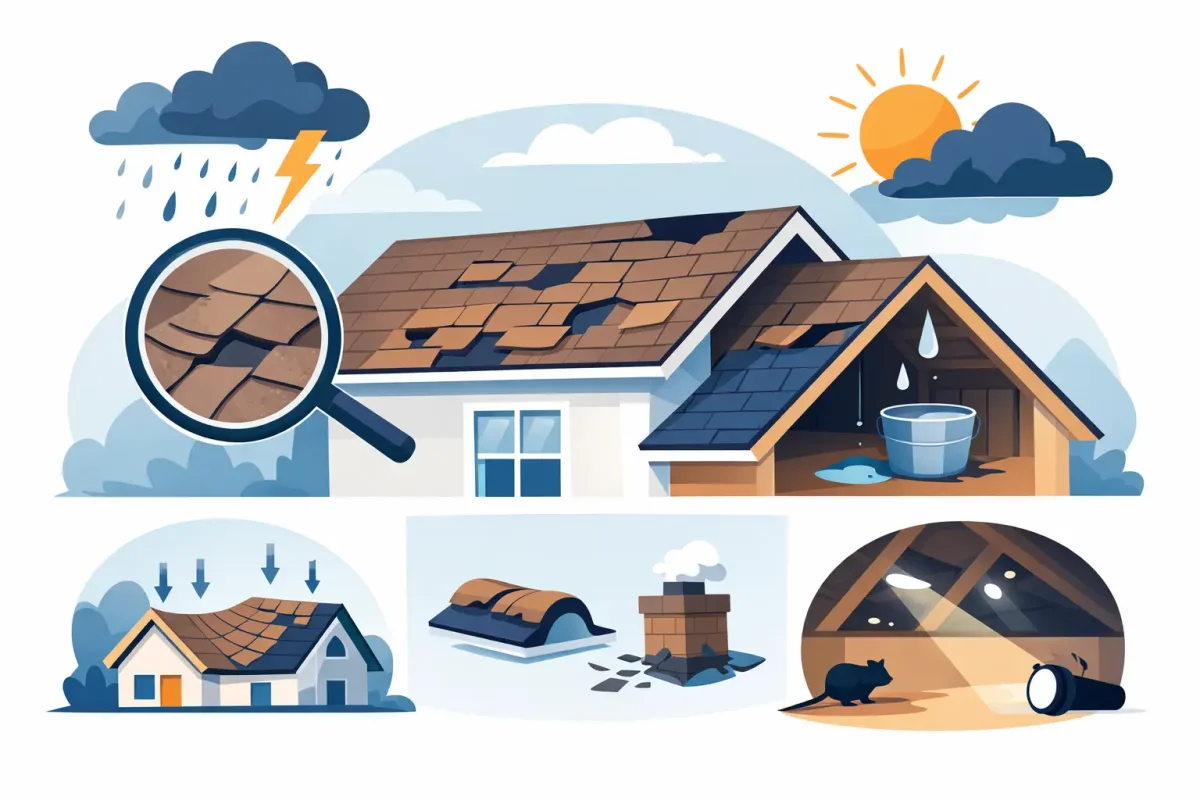
Shingles are designed to shed water and protect the roof structure below. When they curl at the edges, crack through the middle, or lift away from the roof surface, wind and rain can get underneath them. This is especially concerning on roof slopes that receive the strongest sun or weather exposure.
Granules are another clue. They are the gritty coating that protects asphalt shingles from UV damage and helps make them fire resistant. A small amount in gutters is normal, particularly after a new roof is installed. Large, repeated accumulations in gutters or at downspout exits can mean the shingles are wearing out.
Look for bare or dark patches on the roof where granules have disappeared. Once shingles lose significant protection, they become more brittle and less reliable in severe weather.
3. Missing Shingles Keep Reappearing
One missing shingle after a major storm may be repairable if matching materials are available and the surrounding roof is in good condition. The concern grows when shingles continue to blow off, tabs are loose in several areas, or repairs are needed after every windy season.
Repeated shingle loss can point to aged materials, failed fastening, or deterioration beneath the visible surface. It can also leave your home exposed before you realize there is a problem. The water may enter around nail holes or under lifted shingles and travel before it becomes visible indoors.
A contractor should assess the full roof rather than simply replace the pieces that are missing. The goal is to find out whether the roof can still perform as a system, not just make it look complete from the street.
4. You See Water Stains, Drips, or a Musty Attic
Water marks on ceilings or walls deserve prompt attention, even if they appear to dry out. A stain near a chimney, skylight, bathroom vent, or exterior wall may be related to flashing or a localized roof penetration. That may be a repair. A stain in multiple rooms, recurring leaks, or a damp attic can signal broader roof failure.
Check the attic after a heavy rain if it is safe to do so. Look for wet insulation, dark wood, visible dripping, rusted nails, or a musty smell. Do not disturb wet insulation or walk across areas without stable flooring.
Not every leak starts at the roof. Damaged siding, overflowing gutters, failed window flashing, or ice dams can also send water where it does not belong. That is why a complete exterior inspection matters. The right repair addresses the source, not just the stain inside.
5. The Roofline Is Sagging or Uneven
A roofline should look straight and consistent. A visible dip, bow, or sag is a serious sign that calls for a professional assessment as soon as possible. It may indicate moisture-damaged roof decking, weakened framing, excessive weight from past snow or ice buildup, or an older structural issue.
This is not a cosmetic concern and it is not a DIY repair. Avoid walking on a sagging roof or placing extra load on the area. A qualified roofing contractor can determine whether the issue is limited to the roof deck or involves structural repairs before replacement begins.
6. Flashing Is Rusted, Loose, or Separated
Flashing is the metal material installed around chimneys, valleys, vents, skylights, and wall intersections. It directs water away from vulnerable areas. When flashing rusts through, pulls away, cracks at seams, or has been covered with excess roof cement, leaks become much more likely.
In some cases, flashing can be repaired or replaced without installing a whole new roof. The deciding factor is the condition of the surrounding shingles and underlayment. If the roof is already near the end of its life, replacing flashing alone may only postpone a larger problem.
7. Moss, Algae, or Dark Streaks Are Taking Over
Dark streaks are often algae and may be mostly cosmetic, particularly on shaded roof sections. Moss is more concerning because it can hold moisture against the shingles and lift their edges as it grows. Over time, that trapped moisture can shorten shingle life.
Do not pressure wash an asphalt shingle roof. High-pressure cleaning can strip granules and cause more damage than the moss did. A roofing professional can advise whether controlled treatment is appropriate or whether the roof has deteriorated beyond a cleaning solution.
When growth is widespread, also consider why it is happening. Overhanging branches, poor drainage, and persistent shade can contribute. Trimming branches and keeping gutters clear can help protect a replacement roof from premature wear.
8. Your Energy Bills Have Increased Without a Clear Reason
A roof is part of your home’s thermal envelope. When ventilation is inadequate, insulation is wet, or roofing materials are failing, your heating and cooling system may work harder than it should. High energy bills alone do not prove you need a new roof, but they are worth investigating when paired with attic moisture, uneven indoor temperatures, or visible roof damage.
A replacement project is a good time to review attic ventilation, soffit intake, fascia condition, and eavestrough performance. These components work together. Installing new shingles without correcting poor airflow or water drainage can reduce the life of the new roof.
9. Neighbors With Similar Homes Are Replacing Their Roofs
Homes built around the same time often have roofs of a similar age and material quality. If several neighbors are replacing their roofs, it is a reasonable prompt to schedule an inspection, especially if your roof has never had a thorough evaluation.
This does not mean every roof on the block needs immediate replacement. Tree coverage, sun exposure, maintenance history, and installation quality all affect service life. Still, it is better to inspect on your schedule than wait for a storm to reveal a weakness.
10. Repairs Are Adding Up Faster Than the Value They Provide
The final decision often comes down to the pattern of repairs. Replacing a few damaged shingles, resealing a flashing detail, or correcting a small leak can be the right move for a newer roof. But frequent service calls, recurring interior leaks, and widespread material wear usually point toward replacement.
A new roof provides the opportunity to replace compromised underlayment, inspect the roof deck, install proper flashing, and improve ventilation where needed. It also protects the rest of the exterior investment, including siding, soffit, fascia, gutters, windows, and interior finishes.
What to Do When You Notice These Roof Replacement Signs
Start with a ground-level look after a storm. Check for shingles in the yard, granules near downspouts, bent gutters, damaged flashing, and staining around roof edges. Then schedule an on-site inspection rather than climbing onto the roof yourself. Roof surfaces can be slippery, weak, or more damaged than they appear.
At Petra Eavestrough & Siding, a roof assessment focuses on the condition of the whole exterior system, not just the most obvious missing shingle. You should receive a clear explanation of what can be repaired, what should be replaced, and which related components need attention to keep water moving away from your home.
A roof replacement is a significant project, but waiting for a ceiling leak or structural damage usually makes it more disruptive and more costly. If your roof is showing several of these signs, an inspection now can give you time to choose the right materials, plan the work, and protect your home before the next storm tests it.

13 August 2026
Aluminum Versus Vinyl Eavestroughs Compared

13 August 2026