
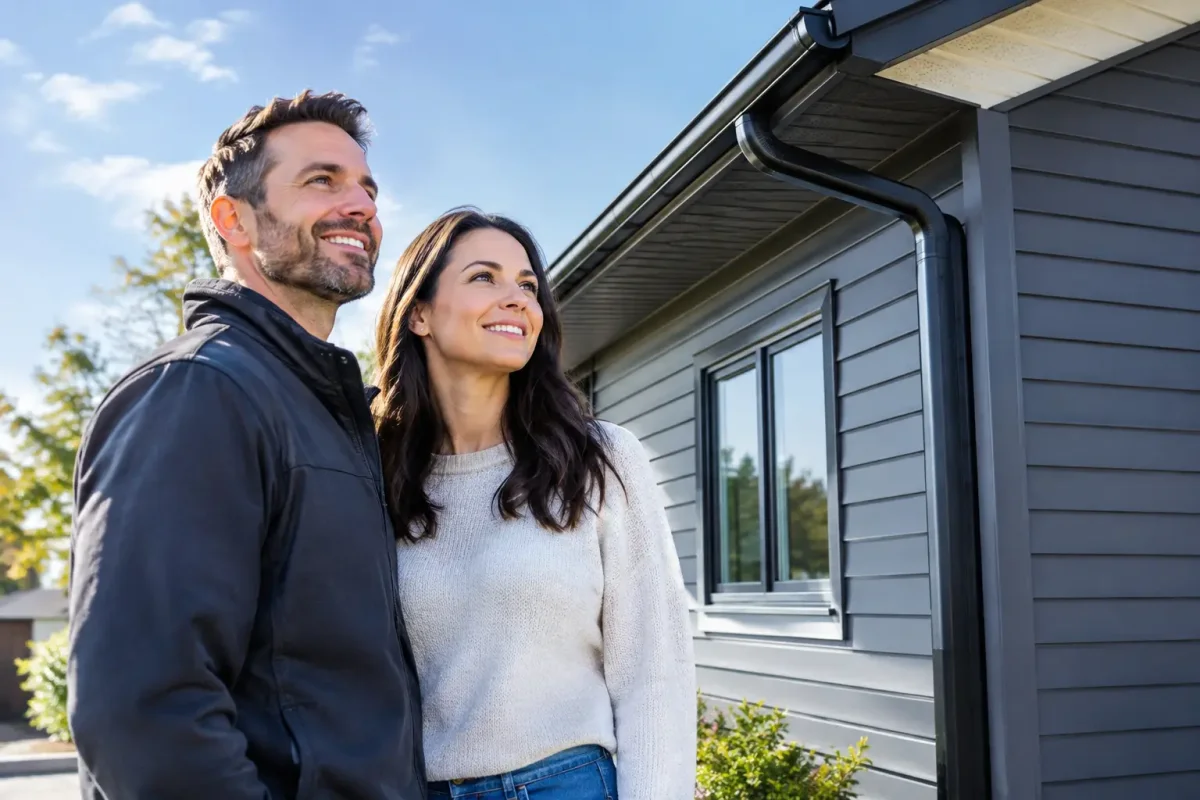
A leaking gutter rarely stays a gutter problem. Water can run behind fascia, soak the foundation area, stain siding, and expose weak spots around windows and doors. When homeowners say, “We chose Petra Eavestrough and Siding,” the decision often starts with that reality: exterior problems are connected, and fixing only the visible symptom can lead to another repair later.
For homes in Hamilton, Burlington, and Oakville, weather puts every exterior component to work. Heavy rain, snow, freeze-thaw cycles, wind, and summer heat all affect how roofing, eavestroughs, siding, soffit, fascia, windows, and doors perform. A contractor who can look at the whole exterior helps homeowners make a practical decision instead of managing several separate trades.
Why We Chose Petra Eavestrough and Siding
The first reason is simple: one coordinated plan is easier to manage and usually produces a better finished result. A home does not look or function its best when the gutters, fascia, siding, and trim are treated as unrelated pieces. The way they meet matters. Water needs a clear path off the roof and away from the home. Trim needs to protect the edges of the siding. Ventilation needs to support the roof system. New windows and doors need proper finishing so the exterior looks intentional, not patched together.
Petra approaches these projects as exterior systems. That does not mean every homeowner needs a full renovation. Sometimes a limited eavestrough replacement is the right call. But when an inspection shows failing fascia, damaged soffit, aging siding, or poor drainage, it makes sense to understand the bigger picture before committing money to a partial repair.
That distinction matters. The best recommendation is not always the largest project. It is the work that addresses the condition of the home, protects the investment, and fits the homeowner’s priorities.
A Clear Inspection Beats Guesswork
Most homeowners are not expected to diagnose water-management or siding issues from the ground. They need a contractor who can identify what is happening, explain it plainly, and recommend a reasonable path forward.
A useful on-site inspection looks beyond a single drip or a loose piece of siding. It considers whether eavestroughs are sloped correctly, whether downspouts are directing water far enough from the foundation, whether fascia boards show signs of moisture damage, and whether soffit ventilation is doing its job. It also looks at siding joints, trim details, roof edges, and openings around windows and doors.
That process helps avoid two common mistakes. The first is replacing a component that is still serviceable when a repair would do. The second is repairing a visible problem without correcting the condition that caused it. For example, replacing a section of stained siding may improve appearance for a while, but not if overflowing gutters continue to spill water behind it.
Homeowners should be able to ask direct questions and get direct answers. What needs attention now? What can wait? What material is being recommended and why? How will the work affect adjacent parts of the exterior? A professional estimate should make those answers easier to understand, not harder.
One Exterior Team Means Fewer Gaps
Coordinating exterior contractors can become frustrating quickly. One crew replaces roofing, another handles gutters, a third installs siding, and each may point to someone else when details do not line up. The homeowner is left scheduling visits, comparing recommendations, and hoping the handoffs go smoothly.
Working with one exterior partner reduces those gaps. If eavestrough replacement is part of a siding project, the crew can coordinate the fascia, soffit, trim, and drainage details from the start. If windows are being replaced at the same time, the surrounding cladding and finishing can be planned around the new units. The finished home has a more consistent appearance, and the work is less likely to involve avoidable rework.
There is also a practical budget benefit. Combining related work can be more efficient than completing each item in isolation over several years. That said, timing depends on the home and the budget. If the roof is near the end of its life but the siding is in good condition, roofing and eavestrough work may come first. If water is already getting behind worn siding, delaying the siding project may be the costlier choice. An honest assessment helps set the right order.
Materials Should Fit the Job
Exterior upgrades are long-term decisions, so material selection should never be treated as an afterthought. Homeowners want products that stand up to local conditions, maintain their appearance, and support the value of the home. They also want clear information about what they are paying for.
For siding, the best option depends on the home’s style, existing exterior, maintenance expectations, and budget. Vinyl can offer durable, low-maintenance coverage in a wide range of colors and profiles. Other cladding options may be a better fit where homeowners want a specific architectural look or added texture. Stone veneer can create a strong focal point around an entryway, porch, or front elevation, but it needs to complement the rest of the home rather than overpower it.
For eavestroughs, proper sizing, secure installation, and correct drainage layout matter as much as the material itself. A new gutter system that is poorly pitched or fitted with too few downspouts will not solve runoff problems. The goal is controlled water flow, not simply new metal along the roofline.
Installation Quality Is What Protects the Home
Good-looking exterior work should also work hard behind the scenes. Siding must be installed with the right flashing, trim, fastening, and spacing so it can shed water and perform through seasonal movement. Soffit and fascia need clean, secure finishing at the roof edge. Windows and doors require careful sealing and exterior capping to help prevent drafts and moisture intrusion.
These details are easy to overlook when comparing estimates, especially when one quote is lower than another. Price matters, but it should be compared alongside the scope of work. Homeowners should know what is being removed, what is being replaced, how problem areas will be handled, and what warranty coverage comes with the completed job.
A licensed and insured contractor provides another layer of confidence. Exterior work involves ladders, rooflines, tools, materials, and weather-sensitive installation conditions. Homeowners deserve a crew that treats the property carefully, keeps the site organized, and follows through on the agreed scope.
Speed Matters, But So Does Preparation
Families do not want an exterior renovation dragging on for weeks. A clear schedule, dependable crew, and efficient installation process make a noticeable difference. Fast turnaround is valuable when a home has an active leak, deteriorating trim, or an exterior that needs protection before the next season.
Still, fast should not mean rushed. Weather, material availability, hidden damage, and permit requirements can affect a timeline. The right contractor communicates early if conditions change and explains the next step. That is far better than a vague schedule or a surprise added at the end of the project.
Professional cleanup is part of that experience. A completed exterior project should leave the property looking better, not leave homeowners with scraps, nails, packaging, and debris to manage. The final walkthrough is the opportunity to review the work, ask questions about care, and make sure the result matches the plan.
The Value Is in Lasting Confidence
Curb appeal is a real benefit of new siding, crisp trim, updated stone veneer, and properly finished eavestroughs. But protection is the bigger reason to act. Water management, weather resistance, ventilation, and energy efficiency all influence the comfort and condition of a home over time.
The right project can also remove the stress of repeatedly patching the same area. Instead of wondering whether the next heavy rain will expose another issue, homeowners can move forward with materials, installation, and warranty coverage designed for the long term.
If your home shows signs of overflowing gutters, peeling fascia, loose or faded siding, drafts around windows, or recurring water stains, start with an on-site assessment. A clear inspection and a customized quote give you the information needed to make a decision with confidence. The best exterior upgrade is the one that solves the real problem, fits your home, and leaves you confident when the weather changes.
6 October 2026
How to Assess Roof Damage Before It Spreads

6 October 2026