
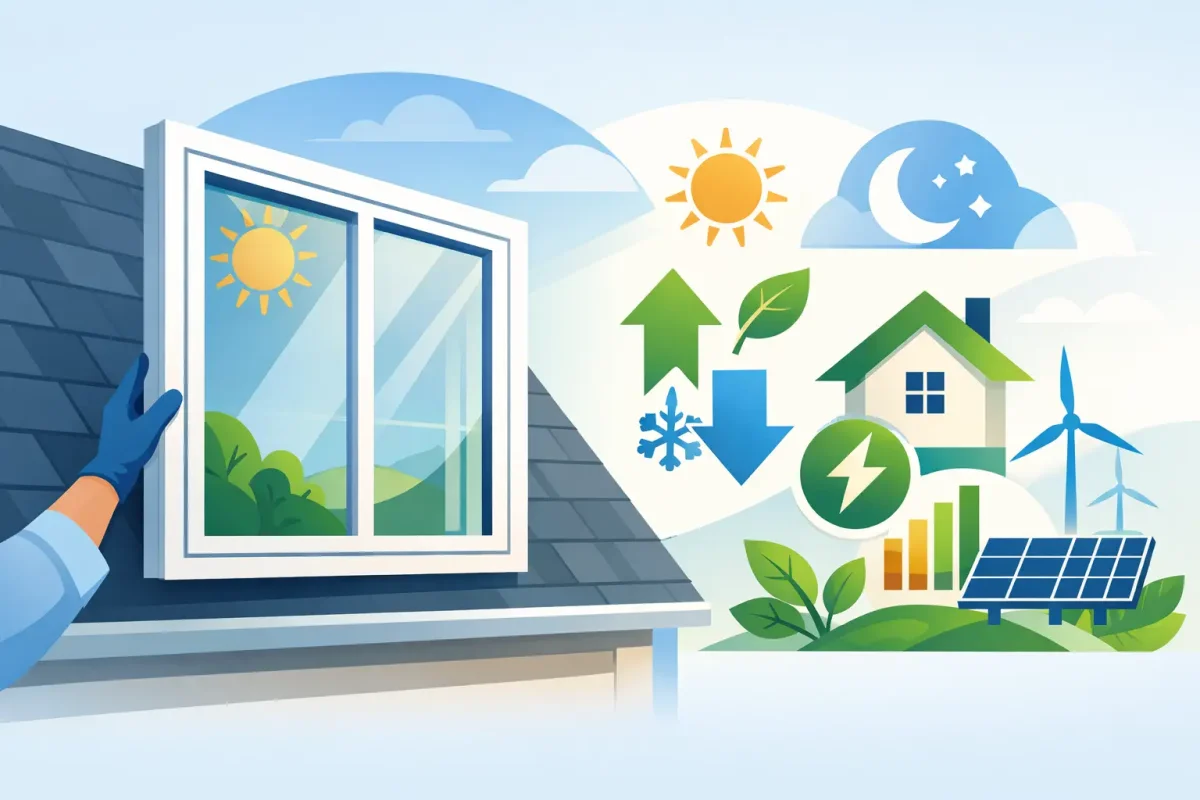
That back bedroom that feels freezing in January and stuffy in July usually is not a thermostat problem. More often, it is a window problem. Energy efficient replacement windows help fix the rooms that never feel quite right, reduce strain on your HVAC system, and make the whole house feel more consistent day to day.
For homeowners, window replacement is rarely just about the glass. It is about comfort, rising utility costs, outside noise, condensation, and the nagging feeling that an older home is leaking money through the frame. The right windows can improve all of that, but only if the product and installation are matched to the house.
What energy efficient replacement windows actually do
A better window does two jobs at once. It limits heat loss in cold weather and reduces unwanted heat gain in warm weather. That means your furnace and air conditioner do not have to work as hard to keep indoor temperatures stable.
Most older windows lose efficiency in several ways. The glass may be single pane or outdated double pane. The seals may have failed. Frames may have shifted over time, allowing drafts and moisture to get in. In some homes, the window itself is decent but the installation around it has broken down, which creates air leaks that make the room feel uncomfortable no matter what the thermostat says.
Energy efficient replacement windows address those issues with insulated glass, better spacers, tighter weatherstripping, improved frame construction, and proper installation. When done right, the difference is noticeable quickly. Rooms feel less drafty, temperatures stay more even, and the home often sounds quieter too.
Signs it is time to replace your windows
Homeowners usually wait too long because windows can fail slowly. You get used to the draft near the sofa or the condensation on the glass every winter. But those small issues are usually warning signs.
If your windows are hard to open, fogging between panes, showing water stains around the trim, or causing obvious cold spots, replacement is worth serious consideration. The same goes for windows that let in too much street noise or push your heating and cooling bills higher every season.
Appearance matters too. Worn windows can pull down curb appeal, especially when the rest of the exterior has already been updated. If you are planning siding, soffit, fascia, or trim work, replacing aging windows at the same time often gives better long-term results and a cleaner finished look.
What to look for in energy efficient replacement windows
Not every upgrade delivers the same result. The best choice depends on the age of the home, the orientation of the windows, and how exposed the house is to wind, sun, and moisture.
Glass package and coatings
The glass does a lot of the heavy lifting. Double-pane windows are standard for efficiency, while triple-pane units can offer even better thermal performance in colder climates. Low-E coatings help reflect heat where you want it. In winter, they help keep interior heat inside. In summer, they help reduce solar heat coming through the glass.
Gas fills between panes, such as argon, improve insulation further. These features matter, but they should be looked at as a full package rather than one magic upgrade.
Frame material
Vinyl remains a popular option because it is low maintenance, cost-effective, and performs well when manufactured properly. Some homeowners prefer other materials for appearance or structural reasons, but for many residential projects, quality vinyl replacement windows offer a strong balance of value and efficiency.
The key is build quality. A poorly made frame can warp, leak, or age badly, even if the brochure promises strong performance.
Air leakage and overall performance
Labels and ratings help, but they are only part of the picture. Lower air leakage numbers are a good sign. U-factor matters for insulation performance. Solar heat gain can also be relevant, especially on homes with large sun-facing windows.
That said, homeowners do not need to become engineers to make a smart decision. What matters most is choosing windows suited to your climate and having them installed correctly.
Why installation matters as much as the window itself
A high-performance window will not perform like one if it is installed badly. Gaps around the frame, poor insulation at the opening, and rushed finishing work can undo much of the benefit you paid for.
This is one reason replacement should be approached as an exterior system, not just a product swap. The condition of the surrounding trim, siding, flashing, and wall opening all affect long-term performance. If water is getting where it should not, or if the opening is out of square, those issues need to be addressed during the project.
A professional installer should inspect for more than measurements. They should look at signs of moisture intrusion, aging exterior materials, and any surrounding damage that could affect the new unit. That is how you avoid paying for a new window while leaving old problems in place.
The payoff homeowners usually notice first
Most people ask about energy savings, which is fair. Efficient windows can help reduce heating and cooling costs, especially if the old windows are single pane, drafty, or failing. But monthly savings vary based on the condition of the old windows, the size of the home, and how many units are being replaced.
What homeowners tend to notice first is comfort. The room near the front of the house does not feel colder than the rest anymore. The nursery holds temperature better overnight. The living room gets less glare and heat buildup in the afternoon. Those quality-of-life improvements matter just as much as the utility bill.
There is also the issue of maintenance. New windows are easier to operate, easier to clean, and less likely to cause recurring condensation or trim damage when properly installed.
When full replacement makes more sense than repair
Sometimes a repair is enough. If the problem is limited hardware, minor trim work, or one isolated issue, a targeted fix may buy more time. But repairs have limits.
If multiple windows are failing, if seals are broken, if frames are rotting or shifting, or if the windows are simply outdated from an efficiency standpoint, replacement usually makes more financial sense than repeated patchwork. Repairing old windows can feel cheaper in the short term, but it often becomes the more expensive route once drafts, moisture, and comfort issues keep returning.
For homeowners planning to stay in the house, replacement is usually the better long-term investment. For those getting ready to sell, it can also improve appearance and buyer confidence, especially when the old windows make the home feel neglected.
How energy efficient replacement windows fit into a larger exterior upgrade
Window projects often reveal other issues around the home exterior. If the trim is deteriorating, the siding is nearing the end of its life, or water is not draining properly from the roofline, handling those items together can save time and prevent future disruption.
That is where working with a contractor who understands the full exterior matters. A window is not isolated from the siding around it or the fascia above it. If your goal is better protection, better performance, and a cleaner finished look, coordination matters.
For many homeowners, this is the real advantage of a company like Petra Eavestrough & Siding. Instead of juggling separate trades for windows, trim, and surrounding exterior work, you can have the condition of the whole envelope assessed at once and get a plan that actually fits the house.
What to expect before you buy
A good window quote should not feel rushed or vague. It should include an on-site inspection, clear product recommendations, and an explanation of what is being replaced and why. If one room needs a different approach because of sun exposure or window size, that should be part of the discussion.
Price matters, but value matters more. The cheapest option may not deliver the comfort, durability, or clean installation you want. At the same time, the most expensive package is not automatically the right one either. The best choice is the one that fits your house, your priorities, and your timeline.
Ask about warranty coverage, installation practices, cleanup, and how any surrounding exterior concerns will be handled if they are discovered during the work. Good contractors answer those questions directly.
If your windows are drafty, hard to operate, or simply making parts of your home less comfortable than they should be, replacement is not just a cosmetic upgrade. It is a practical way to protect your home, improve everyday comfort, and make your exterior work harder for you year-round.
30 June 2026