
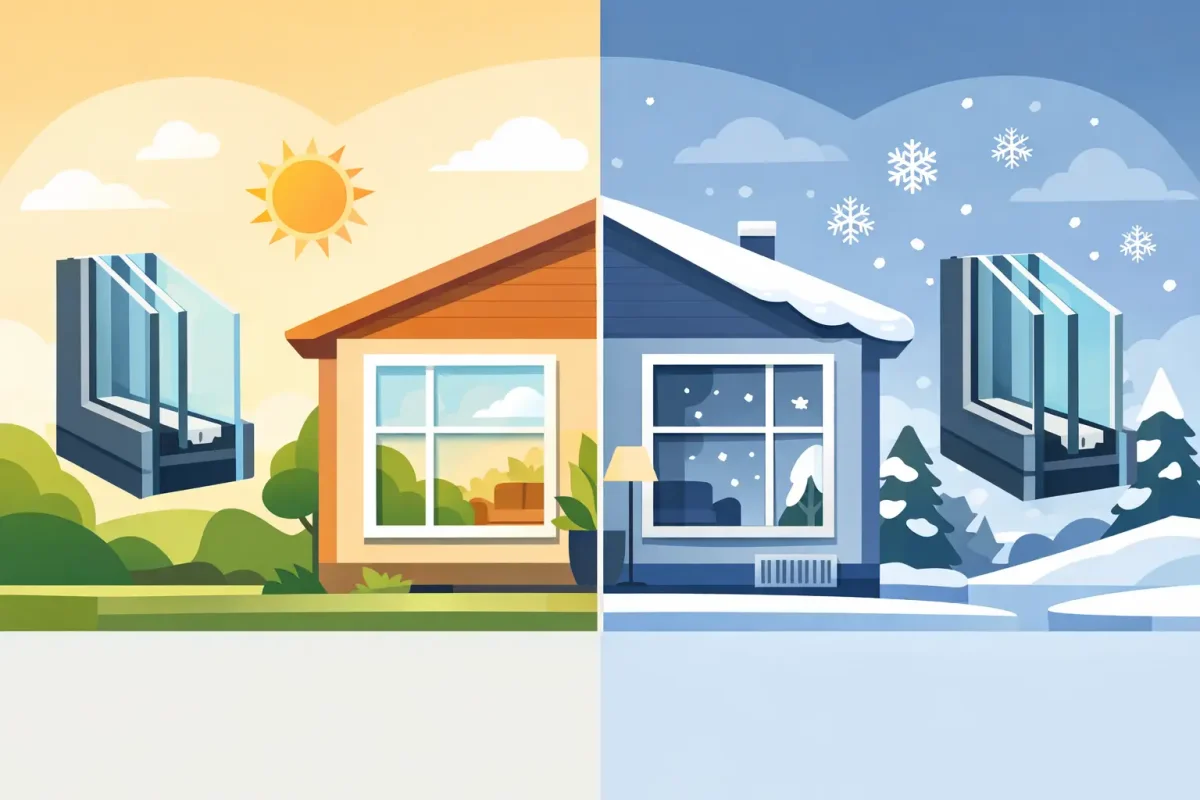
A window can look perfectly fine and still be one of the biggest sources of discomfort in a home. If rooms feel cold near the glass, outdoor traffic cuts through your quiet time, or the furnace seems to run constantly in winter, the window glass package matters. When comparing double pane vs triple pane windows, the better choice depends on more than the number of layers. Your home’s exposure, existing window condition, comfort goals, and budget all play a part.
For homeowners planning an exterior upgrade, windows should be treated as a long-term protection and efficiency decision. The right replacement windows can reduce drafts, improve indoor comfort, limit condensation, and give your home a cleaner, more finished appearance from the street.
Double Pane vs Triple Pane Windows: What Changes
Double-pane windows have two panes of glass separated by a sealed space, usually filled with insulating argon gas. Triple-pane windows add a third pane of glass and a second sealed air space. That additional layer gives heat and sound another barrier to move through.
Both options can be high-performing when they are built with quality frames, insulated glass units, low-E coatings, and professional installation. The number of panes is not the only factor. A poorly installed triple-pane window can still allow drafts and water intrusion, while a well-made double-pane window can make a major difference over old single-pane or failing builder-grade units.
The most noticeable difference is usually comfort. Triple-pane glass generally keeps the interior glass surface warmer during cold weather. That means less of the chilly feeling you get when sitting close to a window and a lower chance of interior condensation under normal household conditions.
Energy efficiency and heating costs
Triple-pane windows typically deliver a lower U-factor than double-pane windows. In plain terms, they slow heat transfer more effectively. During a cold winter, less indoor heat escapes through the glass. During hot, sunny periods, the right glass coatings can also reduce unwanted heat entering the home.
That does not mean every home will see the same utility savings. If your attic insulation is poor, air is leaking around doors, or your heating system is aging, new windows alone will not solve every efficiency issue. But replacing drafty, worn-out windows is still a meaningful part of a complete exterior improvement plan.
Double-pane windows are often a strong upgrade for homeowners replacing older double-pane units that have failed seals, rotted frames, or noticeable air leakage. For a home with reasonable insulation and moderate exposure, they can provide dependable performance without pushing the project budget too far.
Triple-pane windows are often worth closer consideration in cold climates, on exposed lots, and in homes where comfort is the priority. Bedrooms, living rooms with large window openings, and north-facing areas are common places where homeowners notice the difference most.
Noise reduction near busy streets
Extra glass can help reduce outside noise, but triple-pane is not automatically the quietest window in every situation. Sound control depends on the glass thickness, spacing between panes, frame design, and how tightly the window is installed.
For a home near a busy road, railway, school, or active neighborhood, ask about acoustic glass options rather than choosing based on pane count alone. Windows with different glass thicknesses can disrupt sound waves more effectively than three identical panes. Proper sealing around the frame is just as important. Even premium glass cannot make up for gaps that let air and noise pass through.
Condensation and interior comfort
Condensation is often blamed on windows, but indoor humidity is part of the equation. Cooking, showers, humidifiers, and everyday family life add moisture to the air. When warm indoor air touches a cold glass surface, that moisture can turn into condensation.
Triple-pane windows keep interior glass warmer, which can reduce condensation risk during cold spells. This is especially helpful in bathrooms, kitchens, and rooms with large glass areas. Still, excessive humidity can cause condensation on any window. A contractor should look at ventilation, window placement, and the condition of the existing frames before promising that new windows will eliminate moisture problems completely.
When Double-Pane Windows Make Sense
Double-pane windows are not a compromise choice by default. They are a practical fit for many homes, particularly when the goal is reliable efficiency, improved curb appeal, and a cost-conscious replacement project.
They may be the right choice when your current windows are single-pane, damaged, drafty, difficult to operate, or showing failed seals between the glass. Moving to a quality double-pane unit with low-E glass and argon fill can create a clear improvement in comfort and energy performance.
They also make sense when you are replacing many windows at once and need to balance performance across the whole home. In some cases, installing quality double-pane windows throughout the house is better than stretching the budget for triple-pane units in only a few locations while leaving other failing windows in place.
Frame quality matters here. Vinyl, fiberglass, and wood-clad options all have different strengths, but the window should be sized and installed correctly for the opening. The best glass package cannot perform as intended if the surrounding frame, flashing, and insulation are neglected.
When Triple-Pane Windows Are Worth the Cost
Triple-pane windows cost more upfront because they use additional glass, coatings, spacers, and manufacturing materials. They are also heavier, which makes product quality and installation experience especially important. The question is whether the added cost brings a benefit you will actually feel in your home.
For many homeowners, triple-pane is worth it in rooms that are consistently uncomfortable. Think of a family room with wide windows facing winter winds, a bedroom above a garage, or a front elevation exposed to road noise. It can also be a smart option for homeowners planning to stay in the property for many years and wanting to prioritize year-round comfort over the lowest initial price.
Triple-pane may be less necessary for small, sheltered openings or areas of the home that are already comfortable and lightly used. A good window plan does not have to use the same glass package in every opening. Mixing options strategically can keep the project focused on performance where it matters most.
Look Beyond the Glass Before You Buy
A window replacement should begin with an on-site assessment, not a quick price based on rough measurements. Existing windows may have hidden issues such as deteriorated trim, water-stained framing, failed caulking, or poor flashing. Those problems need to be addressed so the new windows are protected from day one.
Ask your contractor to explain the full scope of work: removal of old units, inspection of the opening, insulation around the frame, exterior sealing, interior finishing, cleanup, and warranty coverage. A clear quote should identify the window style, frame material, glass package, hardware, and any repairs required around the opening.
For exterior renovations, coordinating windows with siding, soffit, fascia, and trim work can also produce a cleaner result. New windows installed before siding replacement allow the exterior details to be finished correctly around the frame rather than patched afterward. Petra Eavestrough & Siding can assess these components together, helping homeowners avoid piecemeal work that creates extra cost later.
Choose for the Home You Have
There is no one-size-fits-all winner in the double pane vs triple pane windows decision. Double-pane windows offer strong value and dependable efficiency for many replacement projects. Triple-pane windows add comfort, insulation, and potential noise control where exposure, climate, and room use justify the investment.
The most useful next step is to stand in the rooms that bother you most during a cold morning, a windy day, or a noisy afternoon. Note where the drafts, condensation, and temperature swings occur, then have a qualified installer inspect the windows and surrounding exterior. That gives you a window recommendation based on your home, not a generic sales pitch.

15 August 2026
10 Top Signs Roof Needs Replacement Soon

15 August 2026