
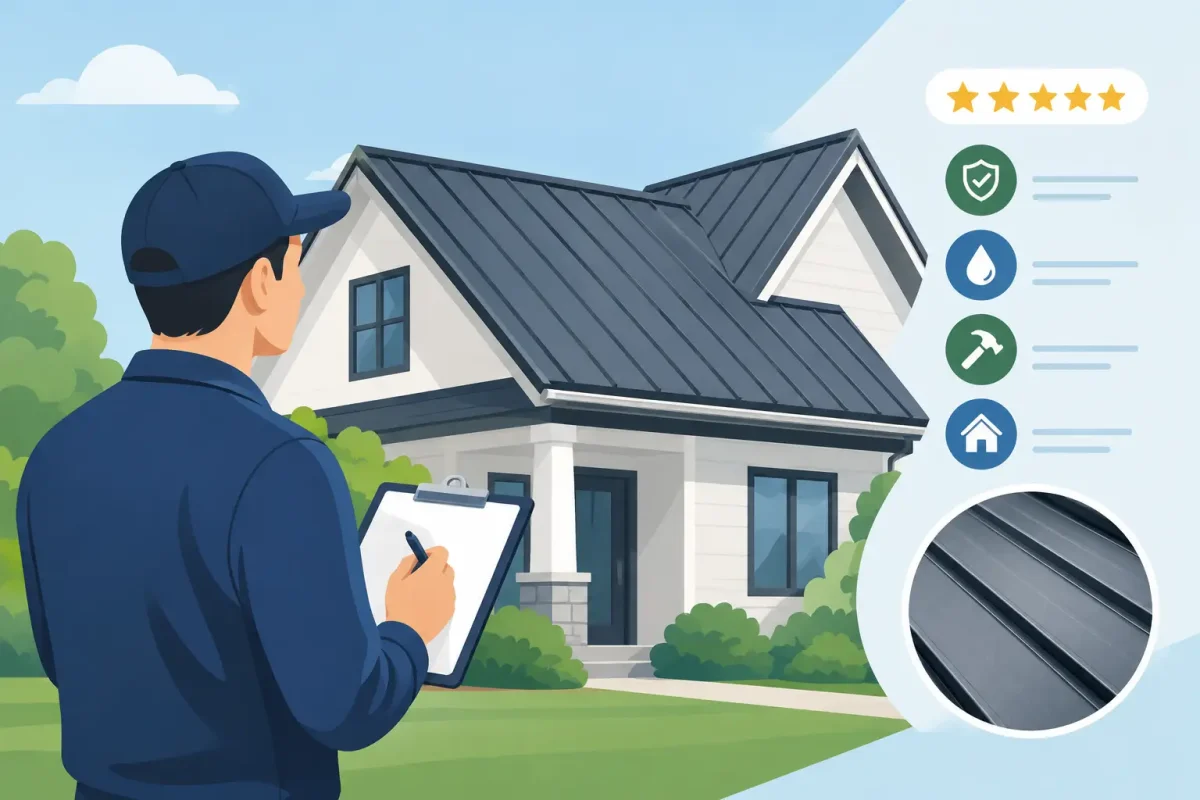
A metal roof can look excellent in a showroom and still disappoint if the installation, flashing, ventilation, or cleanup falls short. That is why metal roofing reviews deserve more than a quick glance at a star rating. For homeowners planning a major exterior investment, the most useful reviews show how a contractor performs before, during, and after the work is complete.
Metal roofing is often chosen for its long lifespan, weather resistance, and clean curb appeal. But the material alone does not protect your home. The quality of the roof system depends on accurate measurements, proper deck preparation, reliable underlayment, correctly installed trim, and careful attention around chimneys, skylights, valleys, and vents.
Why Metal Roofing Reviews Matter More Than a Rating
A five-star average is encouraging, but it does not tell the whole story. A strong contractor may have a few critical reviews, particularly after completing hundreds of projects. What matters is whether the feedback is specific, recent, and consistent with the experience you want for your own home.
Look for reviews that describe the actual scope of work. Comments such as “great company” are positive, but they offer limited insight. A detailed review that explains how the crew handled an aging roof deck, protected landscaping, completed cleanup, or resolved a concern is far more valuable.
Reviews also reveal whether a company manages the parts of roofing work homeowners do not always see upfront. Was the quote clear? Did the team arrive when promised? Were unexpected repairs explained before work continued? Did the contractor leave nails, debris, or damaged plants behind? These details separate a smooth project from a stressful one.
What to Look for in Metal Roofing Reviews
Installation quality and weather protection
The best reviews mention workmanship, not just appearance. Metal panels need room to expand and contract with temperature changes. Fasteners, clips, sealants, flashing, and panel overlaps must be installed according to the product requirements. Small shortcuts can lead to noise, leaks, loose trim, or premature wear.
Pay attention when homeowners mention leak-free performance after heavy rain, snow, wind, or freeze-thaw conditions. That is especially helpful in areas with changing weather. A roof should direct water into the gutter system and away from the home without relying on excessive caulk or temporary fixes.
If a review discusses chimney flashing, roof-to-wall transitions, valleys, or vent penetrations, read it closely. These are common areas where roofing skill matters most. A contractor who gets the details right is more likely to deliver lasting protection across the full roof.
Communication before and during the project
Roof replacement is disruptive, even when it is handled well. Homeowners should expect clear communication about material choices, project timing, delivery, noise, access to the driveway, and possible deck repairs found after tear-off.
Look for reviews that describe a contractor who answers questions directly and explains options without pressure. Metal roofing comes in different profiles, gauges, coatings, colors, and installation systems. A reliable professional should help you understand the practical differences without pushing the most expensive option by default.
Good communication is also tested when the project changes. Rotten sheathing, hidden water damage, or inadequate ventilation may not be visible until the old roof is removed. Reviews that mention photos, explanations, and approved pricing before extra work begins are a strong sign of a professional process.
Cleanup and respect for the property
Roofing creates debris. Old shingles, nails, packaging, and metal offcuts can affect driveways, lawns, gardens, and outdoor living spaces if the job is not managed carefully. Reviews that mention magnetic nail sweeps, protected landscaping, organized material staging, and a clean site are worth noting.
Cleanup is not simply a courtesy. It is part of protecting your property. Families with children, pets, or frequently used driveways should ask how the crew will control debris throughout the project, not just at the end of the day.
Timelines and crew reliability
Metal roofing projects can take longer than standard shingle replacement, depending on roof complexity, weather, required repairs, and the selected system. A contractor should not promise an unrealistic completion date simply to win the job.
Instead, look for reviews that say the crew showed up as scheduled, worked steadily, and kept the homeowner informed when weather affected the timeline. Consistent comments about dependable crews are more meaningful than one isolated promise on a sales page.
Warranty support after installation
A metal roof may come with a manufacturer warranty on the finish or material, but that is different from a workmanship warranty. The material warranty may not cover an installation error, and the installer cannot control every condition covered by the manufacturer.
Read reviews for signs that the contractor stands behind completed work. If a homeowner had a question after the job, did someone respond? Was a concern inspected fairly? Were warranty terms explained clearly? Long-term service matters because a roof is not a purchase you want to revisit every few years.
Read Negative Reviews With Context
Negative feedback should not automatically eliminate a contractor. Start by looking at the pattern. One complaint about a delayed project during severe weather is different from repeated reports of missed appointments, poor communication, leaking roofs, or unresolved damage.
Then consider the company’s response. A professional response is calm, specific, and focused on resolving the issue. It should not blame the homeowner, make excuses, or reveal private project details. Contractors are human, and problems can happen. The real test is whether they take responsibility and make a reasonable effort to fix them.
Be cautious with reviews that are vague, unusually emotional, or inconsistent with the rest of the company’s track record. At the same time, do not ignore a detailed complaint simply because a contractor has many positive ratings. Ask direct questions during your estimate and listen to how the company responds.
Questions to Ask After Reading Reviews
Reviews should help you build a better conversation with your contractor, not replace one. During an on-site inspection, ask whether the quote includes tear-off, underlayment, ice and water protection where needed, flashing, ventilation adjustments, trim, disposal, and cleanup. Ask who will perform the installation and whether the crew is insured.
You should also ask what happens if damaged roof decking is found, how the company protects siding and landscaping, and what workmanship coverage is included. If you are comparing estimates, make sure each proposal describes the same scope. A lower price can look attractive until you discover it excludes critical components.
For homes with aging eavestroughs, soffit, fascia, or siding near the roofline, it can be smart to assess those elements at the same time. A coordinated exterior plan can prevent new roofing work from being disturbed later by another repair crew.
Reviews Help You Choose, but the Inspection Confirms It
Metal roofing reviews are one of the best ways to narrow your choices, but your home still needs an individual assessment. Roof pitch, attic ventilation, existing deck condition, drainage, nearby trees, and architectural details all affect the right recommendation.
A dependable contractor should inspect the property, explain what they see, provide a written scope, and give you time to make an informed decision. Petra Eavestrough & Siding takes that practical approach because homeowners deserve clear answers before committing to a major exterior project.
The right metal roof should do more than improve the view from the street. It should give you confidence every time heavy rain starts, the wind picks up, or another winter season arrives.

25 September 2026
A Guide to Residential Roofing Warranties
25 September 2026