
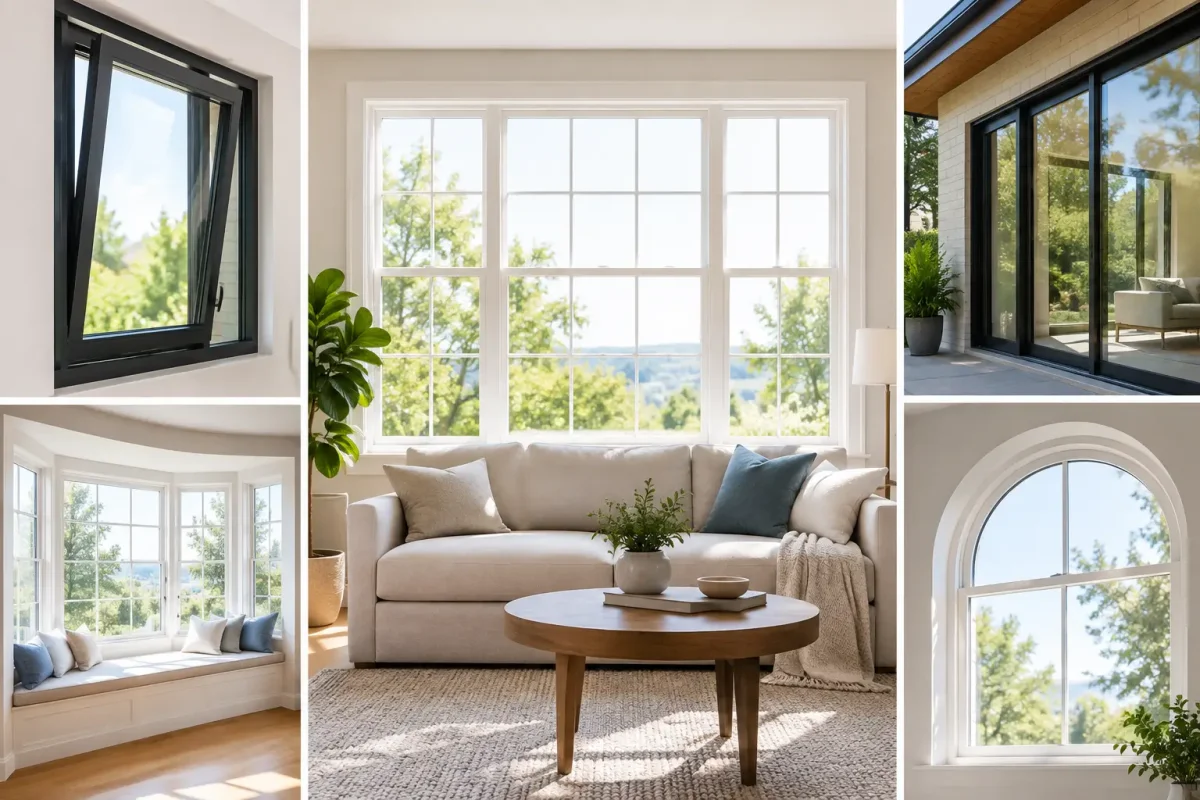
A window replacement can change more than the view from your kitchen. The wrong style can make a front elevation feel mismatched, limit ventilation, or leave a room feeling darker than it should. The right choice improves curb appeal, helps manage heat loss and gain, and makes everyday spaces more comfortable. Use this window style guide to narrow down the options before choosing materials, glass, and installation details.
For most homeowners, the best window is not simply the one with the lowest price or the largest pane of glass. It is the one that fits the home’s architecture, the room’s purpose, the wall opening, and the local weather. A well-planned replacement should look like it belongs there while delivering reliable performance for years.
Start With Your Home’s Architecture
Window style has a major effect on how balanced a home looks from the street. Before selecting individual units, step back and look at the whole front, side, or rear elevation. Pay attention to rooflines, siding, trim, brick or stone, and the spacing between openings.
Traditional homes usually suit double-hung windows, divided-lite patterns, and symmetrical layouts. Craftsman-style homes often look best with wider windows, simple grilles, and a larger upper sash pattern. Contemporary homes can handle clean-lined casement or picture windows with minimal trim and unobstructed glass.
That does not mean every window must match exactly. A bathroom may need a smaller awning window, while a living room may benefit from a fixed picture window with operating units on each side. The goal is consistency in frame color, grille pattern, trim proportions, and sightlines. When these details work together, different window types can still look intentional.
If your siding, soffit, fascia, or exterior trim is also nearing the end of its life, it is worth planning those updates at the same time. New windows can expose worn trim or create a visible contrast against fading siding. Coordinating the work creates a cleaner finished result and can reduce the hassle of separate projects.
Choose a Window Style Based on How the Room Is Used
A good window style guide should begin with function, not just appearance. Consider how often you want to open the window, how easy it needs to be to clean, whether the room needs privacy, and where furniture or walkways sit around the opening.
Double-Hung Windows
Double-hung windows have two vertical sashes that slide up and down. They remain a popular choice for bedrooms, living rooms, and traditional-style homes because they offer a familiar appearance and flexible ventilation. Opening the lower sash lets in fresh air, while lowering the upper sash can release warmer air near the ceiling.
They are also practical where an outward-opening window would interfere with a porch, deck, pathway, or landscaping. Modern versions often include tilt-in sashes for easier cleaning. The trade-off is that the center rail breaks up the view and the operating design may not provide quite as much open area as a casement window.
Casement Windows
Casement windows hinge at the side and open outward with a crank. They are an excellent option when homeowners want broad views, strong ventilation, and a tight seal when closed. Because the sash presses against the frame, casement windows can perform very well against wind and weather.
They work especially well in kitchens, above counters, and in rooms where you want to catch a breeze. However, the outward swing needs clearance. A casement window may not be the right fit beside a busy walkway, under a low roofline, or where shrubs would block the sash.
Awning Windows
Awning windows hinge at the top and open outward from the bottom. Their design makes them useful in bathrooms, basements, laundry rooms, and above larger fixed windows. They can provide ventilation during light rain because the glass creates a small cover over the opening.
They are often installed higher on a wall for privacy and daylight. On their own, they do not offer the same wide view as a picture or casement window, but they are highly effective as part of a grouped window design.
Slider Windows
Slider windows open horizontally and are a sensible choice for wider openings, basement rooms, and areas with limited exterior clearance. They are simple to operate and can suit ranch-style or contemporary homes.
The main consideration is ventilation. Only part of the total opening is available when one sash slides past the other. A slider can be a practical, budget-conscious option, but a professional should confirm that the configuration meets the room’s ventilation and emergency-exit requirements where applicable.
Picture Windows and Fixed Windows
Fixed windows do not open, which makes them ideal for maximizing light and views. They are often used in living rooms, stairwells, dining areas, and vaulted spaces where ventilation is not the priority. With fewer moving parts, a quality fixed window can provide excellent energy performance.
The limitation is obvious: it will not bring in fresh air. Many homeowners solve this by pairing a large picture window with narrower casement windows or awning windows. This combination gives the room a clear focal point without sacrificing ventilation.
Think About Light, Privacy, and Window Placement
The same style can perform differently depending on the direction it faces. Large west-facing glass can bring in strong afternoon sun. South-facing windows may brighten a home throughout the day but can also create glare in a family room or home office. Bedrooms, bathrooms, and street-facing spaces may need a different balance of natural light and privacy.
Frame placement matters too. A taller window can make a low-ceilinged room feel more open. A wider unit may better connect a kitchen or living room to the backyard. In a bathroom, placing an awning window higher on the wall can allow daylight and airflow without requiring blinds to stay closed all day.
Do not assume bigger is always better. Expanding an opening may require structural work, new headers, exterior finishing, and permit considerations. It can be worthwhile when the change transforms a dark room, but it should be evaluated as part of the complete project scope rather than treated as a simple swap.
Select Frames and Glass for Long-Term Performance
Window style gets the attention, but frame construction and glazing determine much of the comfort you feel inside. Vinyl frames are a common choice for homeowners who want low maintenance, good insulation, and dependable value. Fiberglass and composite options can offer added strength and stability, while wood-clad windows may suit certain architectural styles but usually require a higher budget and more maintenance planning.
For glass, look beyond a vague claim of being energy efficient. Low-emissivity coatings help manage solar heat and reduce ultraviolet exposure that can fade flooring and furnishings. Insulated glass units improve comfort near the window, while gas fills and warm-edge spacers can support overall thermal performance.
The best package depends on the window’s exposure and your goals. A sun-heavy room may benefit from glass designed to limit solar heat gain. A colder side of the home may call for a configuration focused on retaining indoor heat. The right recommendation should be specific to the opening, not a one-size-fits-all upgrade.
Keep Grilles, Trim, and Color in Proportion
Grilles can add character, but they should support the home rather than compete with it. Colonial or prairie grille patterns can complement traditional architecture. Flat, clean glass often suits modern exteriors. If your home has existing divided-light windows, changing every opening to plain glass may make the exterior feel disconnected.
Exterior frame color is another decision with lasting impact. White remains versatile, especially with lighter siding and traditional trim. Black frames create contrast and work well on modern farmhouse, contemporary, and brick homes, but they make alignment and finish quality more noticeable. Dark colors can also absorb more heat, so material quality and installation matter.
Trim should frame the window without looking bulky or undersized. This is one reason window replacement is not just about inserting a new unit into an old opening. Proper flashing, insulation, capping, and exterior finishing protect the wall system and give the project its finished appearance.
Do Not Overlook Installation Quality
Even a premium window will disappoint if water management and air sealing are handled poorly. Old windows can hide rot, failed flashing, damaged sheathing, and gaps around the rough opening. A proper inspection helps identify these conditions before they become surprises during installation.
Ask how the contractor will remove the existing unit, inspect the opening, manage flashing, insulate around the frame, and finish the exterior. You should also understand what is included for interior trim, exterior capping, debris removal, and final cleanup. Clear answers protect your budget and prevent an unfinished-looking result.
For homeowners planning a broader exterior update, Petra Eavestrough & Siding can help coordinate windows with siding, trim, and other protective improvements so the finished home looks consistent from every angle.
The right window choice should make your home feel brighter, quieter, easier to maintain, and more secure in changing weather. Start with the way you live in each room, then choose a style that supports the home you already have and the one you want to enjoy for years.
8 October 2026
How to Schedule Exterior Inspection Without Delays
8 October 2026