
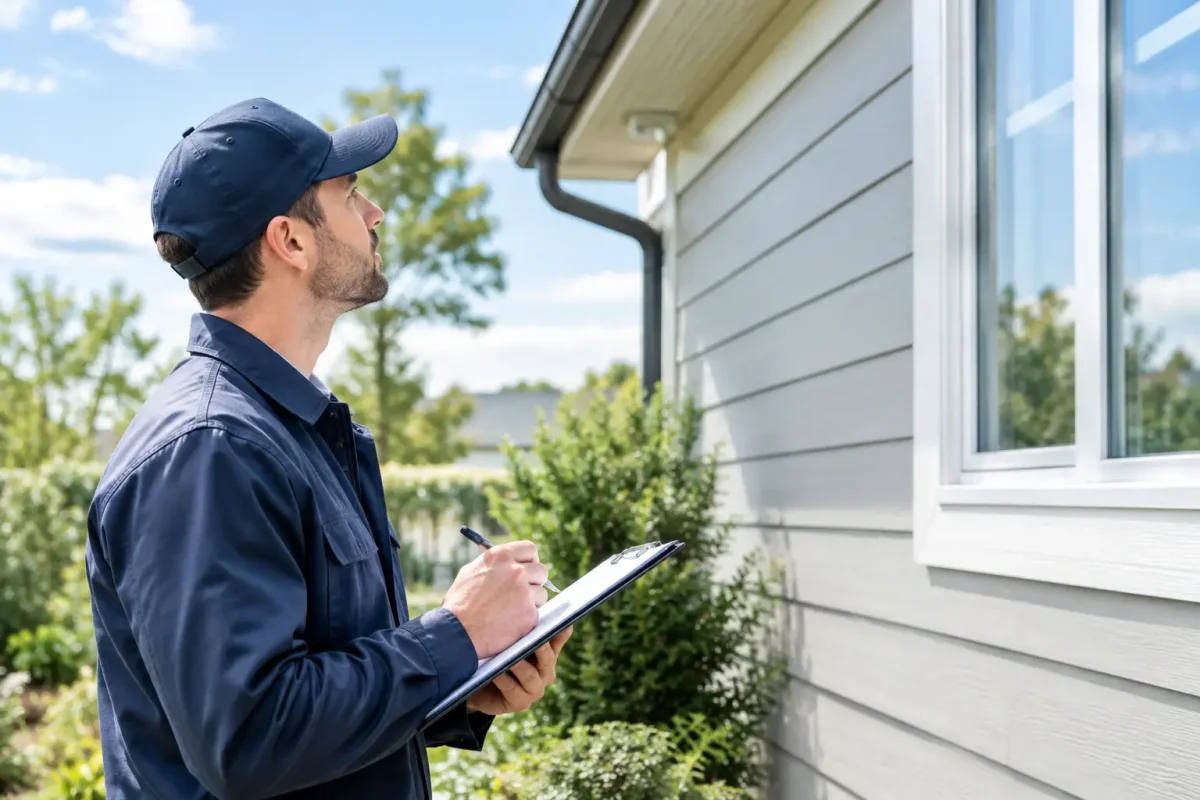
A loose gutter, a stained ceiling near an exterior wall, or siding that has started to buckle rarely improves with time. Knowing how to schedule exterior inspection appointments early gives you a clear picture of the problem before a small repair turns into water damage, heat loss, or a larger renovation.
For most homeowners, the goal is not to become an exterior expert. It is to get an honest assessment, understand what needs attention now versus later, and receive a clear quote from a contractor who can handle the work. A well-planned inspection makes that process easier.
Start With the Problem You Can See
You do not need to diagnose the issue before calling an exterior contractor. In fact, an inspection is most useful when a professional can look at the full system around the visible problem. Water overflowing from eavestroughs, for example, may be caused by a clog, poor gutter slope, damaged fascia, a roof drainage issue, or grading near the foundation.
When you request an appointment, describe what you have noticed in plain terms. Mention where the problem is, when it began, and whether it happens after rain, wind, snow, or seasonal temperature changes. Photos can help, especially if a leak or overflow is intermittent.
A few details make scheduling more efficient: whether the concern involves siding, roofing, windows, doors, soffit, fascia, eavestroughs, or stone veneer; whether there is active water entering the home; and whether you are considering a repair or a broader exterior update. The contractor can then send the right person, allow enough time, and prepare for the scope of the visit.
Choose the Right Time to Schedule an Exterior Inspection
The best time depends on what you are seeing and what work may be needed. If water is getting into the home, gutters are pulling away, shingles are missing, or siding is loose after a storm, schedule an inspection as soon as possible. Waiting for a more convenient season can allow moisture to reach sheathing, insulation, framing, or interior finishes.
For planned improvements, spring through fall often provides the most practical conditions for evaluating and completing exterior work. That does not mean winter inspections are off the table. A contractor can still assess many roof, siding, window, and drainage concerns in colder weather, although ice, snow cover, or unsafe conditions may limit what can be seen or repaired that day.
If you are planning to sell, renovate, or improve energy efficiency, book the inspection well before your preferred installation date. Product selection, permit requirements, weather, and crew availability can affect the schedule. Giving yourself time helps you compare options without rushing a decision.
What to Ask When You Call
A useful inspection starts with a direct conversation. Ask whether the visit is on-site, whether there is a charge, how long it usually takes, and what areas will be reviewed. You should also ask when you can expect the written estimate and whether the contractor can address related exterior issues during the same project.
This last question matters. Your roof edge, gutters, fascia, soffit, siding, windows, and doors all work together to keep water and air where they belong. Replacing gutters without checking deteriorated fascia may only postpone the real repair. Likewise, new siding is a good time to identify window trim, flashing, or insulation concerns behind the old material.
For homeowners in Hamilton, Burlington, and Oakville, it is also reasonable to confirm that the contractor is licensed and insured and understands local homes, weather patterns, and common exterior issues. Ask about labor and material warranties before you agree to a project, not after the work is underway.
Prepare Your Home for the Inspection
An exterior inspection should be straightforward, but a little preparation helps the contractor work safely and gives you a more complete answer. Move vehicles away from the garage or driveway if roof, gutter, or upper-wall access may be needed. Keep gates unlocked, clear patio furniture away from problem areas, and make sure pets are inside.
If the issue has affected the interior, such as a ceiling stain, drafty room, or moisture around a window, point it out during the visit. Exterior symptoms and interior symptoms often connect. Access to the attic, basement, or the affected room can help identify the source of a leak or air loss.
You do not need to clean your roof, climb a ladder, or remove exterior panels before the appointment. Those tasks can be dangerous and may hide useful evidence. Leave the inspection to a properly equipped professional.
It also helps to write down your questions. Homeowners commonly want to know whether a repair is enough, how long the work will take, what materials are recommended, how the work area will be protected, and what cleanup looks like. A dependable contractor should answer those questions clearly rather than pressure you into the biggest possible project.
Know What a Thorough Inspection Should Cover
The exact scope depends on your concern, but a quality exterior inspection looks beyond the most obvious defect. On a siding inspection, that may include cracked or warped panels, loose trim, failed caulking, moisture entry points, venting, flashing, and signs of damage around windows and doors.
For eavestrough and fascia concerns, the contractor should look at gutter pitch, downspout placement, fasteners, seams, overflow marks, roof-edge drainage, and the condition of the wood or aluminum behind the gutter. The goal is to move water away from the home reliably, not simply replace the section that looks worn.
Roof inspections can include visible shingle condition, flashing, vents, valleys, roof penetrations, drip edge, and areas where water may be getting behind siding or trim. Not every roof problem requires full replacement. A focused repair can be the right answer when the system is otherwise in good condition. If several components are near the end of their service life, coordinating the work can reduce repeat disruption and avoid paying twice to remove and reinstall connected materials.
Review the Quote Before You Commit
After the inspection, you should receive a clear explanation of the findings and a written estimate. The quote should separate necessary repairs from optional improvements whenever possible. That makes it easier to prioritize your budget without losing sight of the long-term condition of your home.
Pay attention to what is included: materials, removal and disposal, labor, flashing or trim work, permits if required, cleanup, warranty coverage, and the expected project timeline. Low estimates can leave out steps that protect the finished job, such as proper water management, damaged substrate replacement, or disposal of old materials.
Material choices also deserve a practical conversation. A premium siding product or upgraded gutter system may cost more upfront but offer better durability, appearance, or warranty coverage. On the other hand, a targeted repair may be more sensible if you plan a full exterior renovation in a few years. The right recommendation should fit the condition of your home and your plans for it.
Confirm the Appointment and Next Steps
Once you choose a contractor, confirm the inspection date, arrival window, contact number, and any access instructions. Ask whether someone needs to be home. Exterior-only assessments may not always require it, but being available is helpful when there are interior symptoms or decisions to discuss.
After the visit, do not hesitate to ask for clarification if the recommendation is unclear. A good contractor will explain the priority of each item, what could happen if it is delayed, and what the installation process will involve. Petra Eavestrough & Siding follows a simple path: inspect the home, provide a customized quote, complete the work professionally, then finish with a walkthrough and warranty details.
The best time to schedule is before the next heavy rain, freeze-thaw cycle, or windy season exposes a weak point. Set up the inspection, get the facts, and make a plan that keeps your home protected and looking its best.
7 October 2026
Top 10 Eavestrough & Siding Firms in Hamilton,...

7 October 2026