

Water stains near the edge of a ceiling, peeling exterior paint, or gutters pulling away from the roofline can all raise the same question: does fascia damage cause leaks? It can. Fascia boards do not usually create a roof leak on their own, but damaged, rotted, or improperly installed fascia can let water reach places it should never be – including the roof deck, soffits, wall framing, and foundation.
For homeowners, the real concern is not simply a bad-looking board along the roof edge. Fascia damage often points to a larger water-management problem involving the roof, drip edge, gutters, or downspouts. Catching it early can prevent a small exterior repair from turning into expensive interior damage.
Does Fascia Damage Cause Leaks Inside a Home?
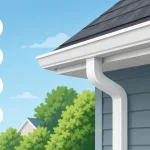
Yes, fascia damage can contribute to interior leaks, but the path water takes matters. Fascia is the long horizontal board mounted at the lower edge of a roof. It creates a clean finished look, supports the gutters, and helps protect the exposed edge of the roof structure.
When fascia is in good condition, water from the roof moves into the gutters and away from the home. When it is cracked, rotted, loose, or incorrectly flashed, water can slip behind the gutter or under the roof edge. From there, it may soak the roof decking, enter the soffit cavity, and eventually appear as stains on ceilings or walls.
In many cases, the fascia is not the original cause. Overflowing gutters, missing drip edge, worn shingles, ice dams, or poor gutter slope may be sending water where it does not belong. The fascia is often one of the first components to show visible damage because it sits directly in the water’s path.
Why Fascia Fails Around the Roofline
Wood fascia is especially vulnerable when it is repeatedly exposed to moisture. Once paint or protective coating fails, the board can absorb water, soften, and rot. Aluminum and vinyl-clad fascia resist surface moisture better, but the wood structure behind them can still deteriorate if water gets trapped there.
A common issue is a gutter that has loosened from damaged fascia. As the fasteners lose their grip, the gutter can sag and hold standing water. That added weight pulls harder on the fascia, creating a cycle of worsening damage. During a heavy storm, water may spill over the front or back of the gutter instead of draining through the downspout.
Roof-edge details matter as well. Drip edge flashing should direct water off the roof and into the gutter. If it is missing, bent, or installed incorrectly, rain can run behind the gutter. Water may then travel down the fascia board, soak the soffit, and penetrate the exterior wall system.
Snow and ice can make the problem worse. In colder climates, ice dams may force melting snow back under shingles at the roof edge. Even a properly installed fascia board cannot stop water that is already moving beneath the roofing materials. That situation calls for a closer look at roof condition, attic ventilation, insulation, and drainage.
Signs Your Fascia May Be Letting Water In
The roof edge is hard to inspect from the ground, but several warning signs should not be ignored. You may see peeling paint, dark staining, warped trim, open joints, or soft sections of wood. Birds, squirrels, and insects may also enter through gaps around deteriorated fascia and soffits.
Gutter behavior provides useful clues. If gutters sag, pull away from the house, overflow during normal rain, or have spikes and fasteners working loose, the fascia behind them may be compromised. Water marks on the siding directly beneath the gutter line are another sign that water is bypassing the drainage system.
Inside the home, look for stains near exterior walls, ceiling discoloration close to the roofline, damp attic insulation, or a musty smell in upper rooms. These symptoms do not automatically mean the fascia is the culprit. A roof leak, plumbing leak, or window issue can produce similar signs. A professional exterior inspection helps identify the true entry point before repair work begins.
Fascia Damage vs. a Roof Leak
Fascia repairs and roof repairs are closely connected, but they are not interchangeable. Replacing only the visible fascia can cover up the problem if the roof edge or gutter system is still allowing water behind it. On the other hand, replacing a few shingles will not solve an overflowing gutter that is soaking the fascia every time it rains.
The right repair depends on what an inspection finds. If the damage is limited to one area and the roof, flashing, and gutters are sound, a targeted fascia replacement may be enough. If rot has spread into the roof deck, soffit framing, or siding, the repair may need to extend beyond the trim board.
This is why a contractor should inspect the full roofline rather than quote a repair based on a photo of peeling fascia. The goal is to stop the water source first, replace damaged materials second, and make sure the finished system moves water away from the home as intended.
What a Proper Fascia Repair Should Include
A lasting repair starts with removing the damaged section and checking the wood behind it. Soft or stained sheathing, damaged rafter tails, wet insulation, and deteriorated soffits should be addressed before new fascia is installed. Covering rot with metal wrap may improve curb appeal temporarily, but it will not correct hidden moisture damage.
The repair should also confirm that the gutter is properly pitched toward the downspouts and securely fastened to solid material. Downspouts need to discharge water away from the foundation. If they are clogged, undersized, or dumping water beside the house, the overall drainage problem remains.
At the roof edge, a contractor should verify that shingles, underlayment, and drip edge work together correctly. Depending on the age and condition of the exterior, it may make sense to coordinate fascia work with soffit, eavestrough, siding, or roofing repairs. Handling connected components at the same time can reduce repeat labor and create a cleaner, more durable finish.
Can You Wait to Repair Damaged Fascia?
Waiting is risky when there are active leaks, visible rot, gutter movement, or signs of water inside the home. Wood decay does not stop on its own. The longer water reaches the roof edge, the more likely it is to spread into structural areas that are harder and more expensive to access.
A small crack in painted trim may not be an emergency, especially if the gutter and roof are functioning properly. Still, it deserves inspection before the next season of heavy rain, snow, or freeze-thaw weather. Preventive repairs are usually faster and less disruptive than repairing wet roof decking, interior drywall, or mold-related damage later.
Do not rely on caulk or a fresh coat of paint as a long-term answer to soft, rotted fascia. Those cosmetic fixes can hide the issue while water continues behind the board. The damaged material should be removed, the source of moisture corrected, and the new fascia properly protected.
Protecting the Fascia, Gutters, and Roof Edge
Regular maintenance goes a long way. Gutters should be cleaned often enough to prevent leaves, grit, and debris from blocking water flow. After major storms, check for overflowing gutters, loose sections, bent downspouts, and water collecting around the foundation.
Homeowners should also watch trees near the roof. Branches can drop debris into gutters, scrape roofing materials, and give pests easy access to the roofline. Keeping branches trimmed back reduces all three risks.
If your gutters are aging, undersized, or repeatedly pulling away from the house, replacement may be the more cost-effective choice. A correctly sized, professionally installed gutter system protects more than the fascia. It helps protect siding, landscaping, basement walls, and the foundation from uncontrolled runoff.
When to Call an Exterior Contractor
Call for an inspection if you see rotted fascia, gutters separating from the roofline, recurring overflow, water stains near the ceiling, or soffit damage. A qualified contractor can determine whether the issue is isolated trim damage or part of a larger roofing and drainage failure.
The best repair is one that addresses the entire path of the water – from the roof surface, across the drip edge, into the gutter, through the downspout, and safely away from the home. That approach protects your investment, preserves curb appeal, and gives you a roofline that is ready for the next hard rain.
21 September 2026
Top Benefits of Seamless Eavestroughs for Homes
21 September 2026