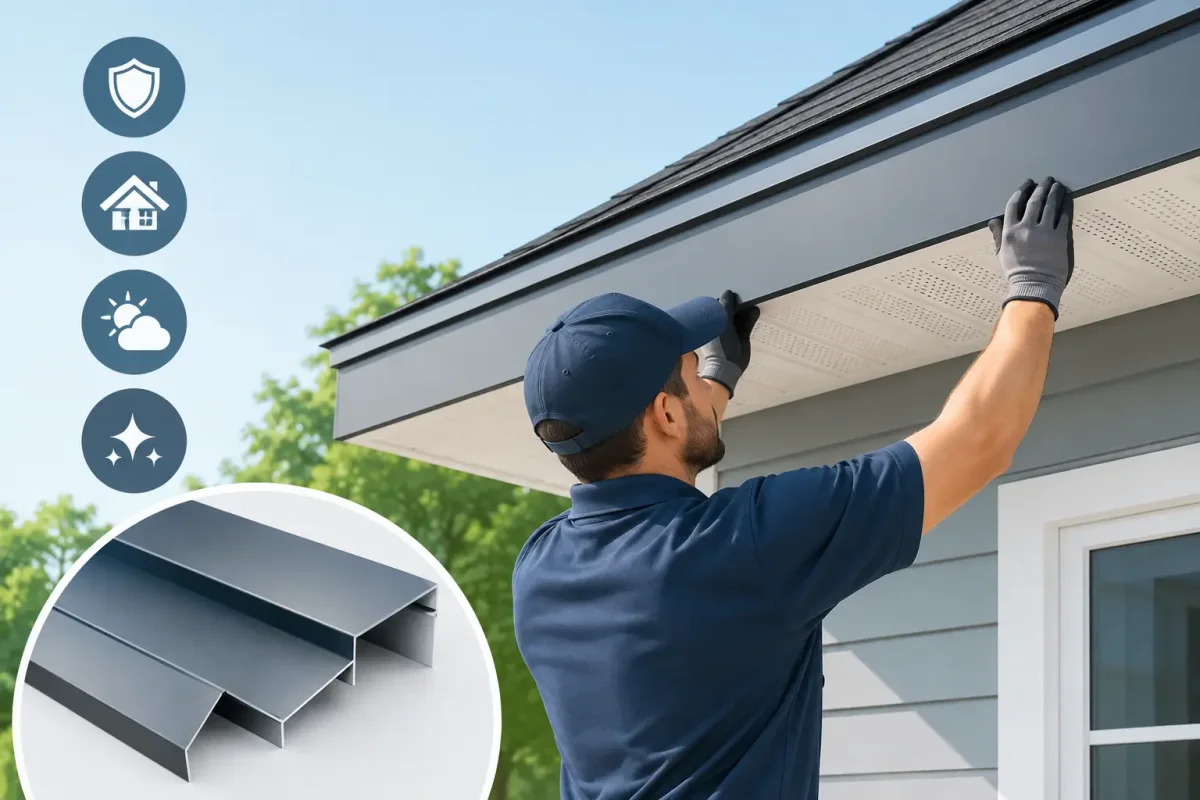
A sagging gutter, peeling wood at the roof edge, or a line of stains beneath the eaves can point to a problem that is easy to overlook: failing fascia. Aluminum fascia installation covers and protects this vulnerable roofline area, helping your gutters stay secure while giving the exterior a clean, finished appearance.
For homeowners, this is rarely just a cosmetic upgrade. The fascia board sits directly behind the gutter system and below the roof edge. When it deteriorates, water can reach the wood, soffit, roof deck, and even interior areas of the home. Addressing the problem early is usually far less disruptive than waiting for rot or gutter failure to spread.
What Aluminum Fascia Does for Your Home
Fascia is the horizontal board running along the lower edge of your roof. It creates a finished edge for the eaves and provides a solid mounting surface for eavestroughs or gutters. Traditional wood fascia can look good, but it needs regular painting and is vulnerable to moisture, insects, splitting, and peeling paint.
Aluminum fascia is a formed metal covering installed over sound fascia boards or paired with replacement wood where damage is present. It creates a durable outer layer that resists moisture and reduces ongoing maintenance. Properly installed aluminum also gives the roofline a straighter, more consistent look that complements new siding, soffit, and gutters.
The benefit is most noticeable where rain, snow, ice, and temperature swings put constant pressure on the roof edge. Water should flow from the roof into the gutter, then away from the foundation. Fascia helps keep that system supported and enclosed.
Signs You May Need Aluminum Fascia Installation
Homeowners often notice fascia problems while looking at gutters, but the underlying issue can be more extensive. If gutters pull away from the house, the fasteners may no longer be holding in solid wood. A contractor should inspect the condition behind the existing fascia before simply reattaching the gutter.
Other warning signs include bubbling or flaking paint, soft spots in the wood, visible gaps at the roofline, rusted gutter fasteners, animal activity near the eaves, and water marks on exterior walls. You may also see soffit panels shifting or darkened areas around corners where water tends to collect.
Not every faded or scratched fascia cover requires a full replacement. If the wood behind it is dry and solid, a targeted repair may be enough. But if moisture has caused rot, covering the damage without replacing affected material only hides the problem. A professional inspection should separate cosmetic wear from structural repair needs.
The Right Time to Replace Fascia
Fascia replacement is especially practical when your home is already receiving related exterior work. Replacing gutters, soffit, siding, or roofing creates access to the roofline and allows the components to be installed as one coordinated system. This avoids removing and reinstalling parts of the exterior later.
For example, installing new gutters over deteriorating fascia may leave you with a clean-looking gutter system attached to a weak substrate. Likewise, replacing fascia without correcting overflowing gutters or damaged drip edge can expose the new work to the same water issues. The best solution depends on what is causing the damage, not only what is visible from the ground.
Homeowners planning a sale may also consider aluminum fascia as part of a curb appeal update. Clean lines around the eaves make a larger difference than many people expect, particularly when paired with fresh soffit, siding, or trim. Still, protection should come first. The visual improvement is most valuable when the roofline underneath is properly repaired.
What Professional Aluminum Fascia Installation Includes
A quality installation starts with an inspection, not a color selection. The contractor should check fascia boards, soffit, gutter attachment points, roof edge flashing, and areas where water may be entering. If there is rot, loose wood, or insect damage, those issues should be corrected before new aluminum is installed.
Once the substrate is ready, the aluminum is measured and formed to fit the roofline. Proper bends matter because fascia must sit tightly against the board without creating gaps that can trap water or allow pests inside. Corners, ends, and transitions around gables require particular attention to keep the finished result neat and weather-resistant.
The gutter system is then secured to sound material with the correct slope toward downspouts. This step is critical. Even excellent fascia will not perform as intended if the gutters overflow, sag, or discharge water too close to the foundation.
A professional crew should also protect landscaping and work areas, remove old materials responsibly, and complete a final walkthrough. You should know what was repaired, what materials were installed, and how the workmanship is covered before the job is considered complete.
Why Gutter and Soffit Work Matters
Fascia does not work alone. It is part of the entire eaves system, alongside roofing, drip edge, soffit, ventilation, and gutters. A problem in one area can affect the others.
Soffit allows air to move through the attic system. If soffit openings are blocked, damaged, or improperly installed, moisture and heat can build up above the ceiling. Gutters manage roof runoff. If they are undersized, clogged, or poorly sloped, water can back up along the fascia. Drip edge helps direct water into the gutter rather than behind it.
That is why a contractor who understands the full exterior can provide a better recommendation than one who treats fascia as an isolated trim repair. Sometimes the answer is a small repair. Other times, replacing fascia, soffit, and eavestroughs together offers better value because it solves the cause of the damage in one project.
Choosing the Right Aluminum Color and Finish
Aluminum fascia is available in a range of colors, allowing it to blend with existing soffit, gutters, siding, windows, or roofing. White remains a common choice for a bright, traditional look, while darker trim colors can create stronger contrast and a more modern roofline.
Matching is not always as simple as choosing a color name. Existing siding and trim may have faded over time, and colors can look different in direct sun than they do under the eaves. A contractor can help you compare samples against the exterior and choose a finish that looks intentional rather than close enough.
Durability also matters. A quality finish should resist peeling and chalking under normal exposure. However, aluminum can still be dented by ladders, branches, or severe weather. It is low-maintenance, not indestructible. Keeping gutters clear and avoiding unnecessary contact with the roofline will help preserve its appearance.
Questions to Ask Before You Hire a Contractor
Before approving aluminum fascia installation, ask whether the quote includes removal of damaged material, replacement of rotten wood if needed, gutter removal and reinstallation, disposal, cleanup, and warranty coverage. A low initial price can become less appealing if necessary repairs are excluded or added later without clear communication.
It is also reasonable to ask how the crew will protect your property, how long the work should take, and whether they are licensed and insured. For a larger exterior project, ask whether the contractor can coordinate soffit, gutter, siding, and roofline repairs under one plan. That can save time and help ensure the finished components fit together properly.
Petra Eavestrough & Siding approaches fascia as part of the system that protects your home, not as a surface-level cover-up. The goal is a roofline that looks clean, drains correctly, and remains ready for the weather season after season.
A Small Roofline Repair Can Prevent a Bigger Problem
Waiting until a gutter falls or water reaches the interior is an expensive way to find out the fascia has failed. If you have noticed peeling trim, loose gutters, stains near the eaves, or visible wood damage, schedule an on-site inspection while the repair may still be straightforward. A properly repaired and protected roofline gives you one less exterior problem to worry about when the next heavy rain arrives.

14 September 2026
Before and After Siding Transformation Results
14 September 2026