
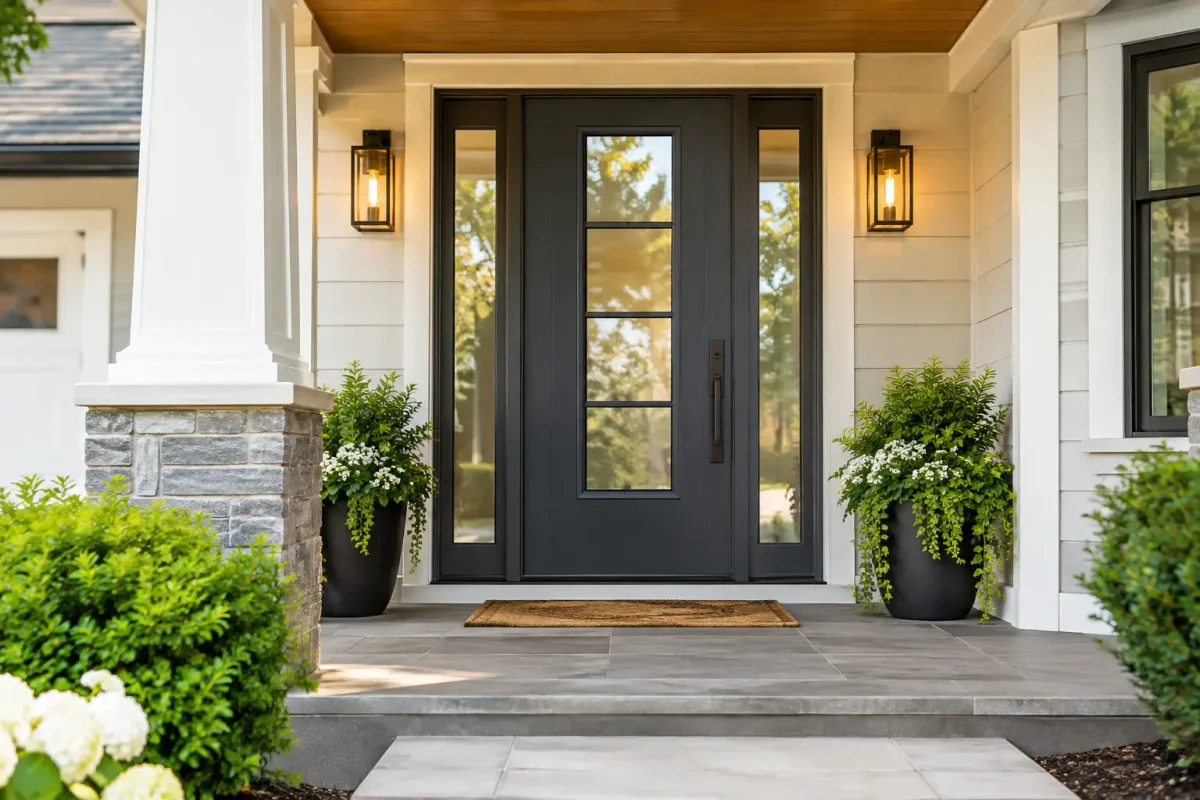
Your front door does more than welcome guests. It is one of the first exterior details people notice, and it has a real job to do against wind, rain, temperature swings, and daily use. The best door trends are not just about a fresh color or a modern handle. They combine curb appeal with insulation, security, and materials that can stand up to the conditions around your home.
For homeowners planning an exterior update, a door replacement can be a high-impact project on its own. It can also make a bigger difference when coordinated with new windows, siding, trim, soffit, or stone veneer. The right choice should look intentional, operate smoothly, and help keep conditioned air where it belongs.
Door Trends Homeowners Are Choosing Now
Current door design is moving toward clean lines, warmer finishes, and stronger visual contrast. The goal is usually not to make a house look trendy for one season. It is to give the entry a finished, welcoming look that still fits the home’s architecture.
Oversized entries with stronger proportions
Larger front doors, wider sidelights, and taller transom windows continue to be popular because they make an entry feel more open and substantial. On a newer home with a tall facade, a standard-size door can sometimes look undersized. A taller unit or a door with a transom can bring the entry back into proportion.
This trend is not a simple swap in every case. Expanding an opening may involve framing changes, exterior trim work, and careful flashing around the new unit. It is worth considering during a larger siding or window project, when the surrounding exterior is already being updated and the finished details can be coordinated properly.
Warm wood looks without constant maintenance
Natural wood tones remain popular, especially medium oak, walnut, and darker stained finishes. They add warmth to homes with light siding, brick, stone, or modern black accents. But real wood doors require regular attention. Sun exposure, moisture, and seasonal movement can affect the finish over time.
That is why many homeowners are choosing fiberglass doors with realistic wood-grain texture. A quality fiberglass door can deliver the look of wood while providing better resistance to dents, warping, and weather exposure. It is a practical choice for an entry that faces strong afternoon sun or frequent rain.
Dark doors balanced with lighter exteriors
Black, charcoal, deep navy, and rich green doors remain strong choices for homeowners who want contrast. A dark entry can make white, beige, gray, or light-toned siding look sharper without changing the entire exterior color scheme. Matte black hardware often completes the look.
The trade-off is heat. Dark finishes absorb more sunlight, particularly on a south- or west-facing entrance. In some situations, that can make the surface hotter and may affect long-term finish performance. A professional can help you choose a finish and material suited to the exposure, rather than selecting a color based on a showroom sample alone.
Glass that brings in light without giving up privacy
Decorative glass inserts and sidelights are a practical way to brighten an entryway. Frosted, rain-patterned, textured, and partially obscured glass let daylight in while limiting direct visibility into the home. Modern designs often use simple rectangular panels, narrow vertical glass, or clear glass with black grilles.
Privacy and security should guide the decision. A fully clear glass panel may be a good fit for a recessed, private entry, while obscured glass may be better for a front door close to the sidewalk. Look for insulated glass and a well-built frame so the added light does not become a weak point for comfort or energy efficiency.
Performance Matters More Than the Look Alone
A beautiful door that leaks air, sticks in cold weather, or fails to latch reliably is not an upgrade. For homes that experience hot summers, cold winters, driving rain, and freeze-thaw cycles, installation details matter as much as the door slab itself.
Fiberglass is often a strong all-around choice because it is durable, energy-efficient, and available in many styles. Steel doors offer excellent security and can be a cost-effective option, but they can dent and may need touch-up work if the finish is damaged. Wood offers character and customization, though it requires more maintenance and is more sensitive to moisture.
The frame, sill, weatherstripping, and exterior flashing all affect how the system performs. If there are signs of staining around the entry, drafts, soft trim, difficult operation, or daylight visible around the door, the problem may extend beyond the door panel. Water can get behind exterior cladding if the opening has not been properly sealed and flashed.
A full inspection helps determine whether the project needs a simple replacement or repairs to the surrounding structure. This avoids covering up a moisture issue with a new door and discovering damage later.
Energy Efficiency Is a Design Feature
Homeowners often think about energy efficiency when replacing windows, but an exterior door deserves the same attention. A poorly insulated or poorly fitted entry can create noticeable drafts in a foyer, hallway, or nearby room. It can also make floors feel colder during winter months.
Look for an insulated door core, weatherstripping that creates a consistent seal, and an adjustable threshold. If the door includes glass, insulated or low-emissivity glass can help reduce heat transfer. The best option depends on the direction the entry faces, the amount of shade it receives, and the existing condition of the opening.
Do not overlook the storm door question. A storm door can add another layer of protection and allow ventilation when paired with a screen. However, it is not necessary for every entry, and some door finishes or warranty requirements may limit which storm doors can be used. The decision should be based on exposure, traffic, and the door manufacturer’s recommendations.
Hardware Is Getting Cleaner and Smarter
Door hardware is moving away from ornate shapes and toward simple, durable finishes. Matte black remains common, but brushed nickel, bronze, and warm metallic tones are also used to complement the rest of the exterior. The best finish is one that ties into nearby light fixtures, house numbers, railings, and garage hardware without trying to match every detail exactly.
Smart locks are another common upgrade. Keypad entry, remote access, temporary codes for visitors, and activity notifications can be useful for busy households. Still, convenience should not replace basic hardware quality. The lock, deadbolt, strike plate, hinges, and frame reinforcement should all be selected and installed for security.
For a high-traffic front entry, choose hardware that feels solid in the hand and is rated for frequent use. A stylish handle set is not much value if it loosens quickly or does not operate reliably through changing temperatures.
Make the New Door Part of a Complete Exterior Plan
A front door can be the finishing touch that brings an exterior together, but it should not look disconnected from the rest of the home. Consider the siding color, window trim, roof tone, stonework, shutters, gutters, and porch details before settling on a style.
For example, a smooth black door with narrow glass panels can suit modern siding and dark window frames. A fiberglass wood-look door may work better with stone veneer, traditional trim, or a more classic home. If your eavestroughs, fascia, or siding are worn, replacing only the door may leave the entry looking improved while the surrounding exterior still needs attention.
Coordinating projects also helps protect the details that homeowners rarely see. When siding, trim, windows, and doors are handled as part of one exterior plan, the contractor can manage transitions, flashing, caulking, and finish lines as a system. That helps create a cleaner result and reduces the chance of gaps between separate projects.
How to Choose a Door That Will Still Work Years From Now
Start with the condition of your current opening, not just the style you like. A professional assessment should check for air leaks, water damage, frame movement, sill issues, and signs that the existing door is out of square. From there, select a material that fits the location and maintenance level you are comfortable with.
Then narrow down the design. Consider how much natural light you want, how private the entry should feel, and whether a bold color will suit the home over the long term. Bring samples outside if possible. Exterior colors can look very different in direct sun, shade, and evening light.
Finally, choose an installer who treats the door as a weather barrier, not just a decorative panel. Accurate measurements, proper shimming, insulation, flashing, and a final operation check are what make a new door feel secure and comfortable from day one.
The right entry door should make coming home feel better while quietly doing its job through every season. A careful inspection and a well-planned exterior update can give you both the curb appeal you want and the protection your home needs.
29 September 2026
Seamless Versus Sectional Eavestroughs Compared

29 September 2026