

A small drip at the edge of a roof, a loose siding panel, or a gutter that overflows during a hard rain can turn into a much larger repair if it is left alone. The right home exterior protection upgrades stop water, wind, and temperature changes from reaching the vulnerable parts of your home. They also make the property look cared for, which matters whether you plan to stay for years or sell in the near future.
For most homeowners, the question is not whether the exterior needs attention. It is which project should come first. The answer depends on the condition of your roofline, siding, drainage, windows, and trim. A professional inspection can separate a cosmetic concern from an issue that could lead to rot, mold, insulation damage, or costly repairs behind the walls.
Start With the Upgrades That Keep Water Out
Water management should be the first priority for nearly every exterior project. Rain does not need a large opening to cause trouble. It can enter around damaged flashing, cracked caulking, failed gutters, loose fascia, or siding joints that no longer shed water properly.
Replace failing eavestroughs and downspouts
Eavestroughs direct water away from the roof edge, foundation, walkways, and landscaping. When they sag, leak at the seams, pull away from the fascia, or overflow regularly, they are no longer doing their job. Water can run behind the gutter, soak the roofline, stain siding, and collect near the foundation.
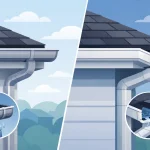
Seamless eavestrough replacement is often a practical upgrade because it reduces the number of joints where leaks can develop. Properly sized downspouts and extensions are just as important. A new gutter system that still discharges water beside the foundation will not solve the underlying drainage problem.
Gutter guards can help in areas with heavy leaf fall, but they are not automatically the right answer for every home. They can reduce cleaning needs, yet the roof pitch, nearby trees, and existing gutter condition should be considered before adding them.
Repair the roofline before damage spreads
A worn roof does not always announce itself with a ceiling leak. Missing or curling shingles, deteriorated flashing, soft roof decking, and loose vents can allow moisture in long before it becomes visible indoors. The same is true at the roof edge, where damaged fascia and soffit may point to water problems that need prompt attention.
Roof repairs can be the right move when the issue is isolated and the rest of the roof has useful life remaining. If shingles are broadly worn, repairs may only delay a larger replacement. An honest inspection should explain that trade-off clearly, along with the condition of the underlayment, flashing, ventilation, and roofline trim.
Protect the Walls With Better Siding and Trim
Siding is more than the finish that gives a house its color and character. It is part of a layered system that helps manage rain and wind while protecting the wall structure beneath it. Cracks, warping, gaps, fading, or repeated loose panels are signs that the exterior may be ready for repair or replacement.
Choose siding for local weather and maintenance goals
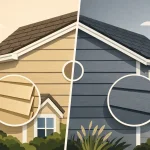
Vinyl siding remains a popular choice because it is durable, low maintenance, and available in a wide range of styles and colors. It can be an excellent fit for homeowners who want a clean exterior without the regular painting demands of wood. Quality installation matters as much as the material itself. Panels need room to expand and contract, and the moisture barrier behind them must be installed correctly.
Other siding options can offer a more premium look or stronger impact resistance, but they may come with a higher upfront cost or different maintenance needs. The best choice depends on the home’s architecture, budget, exposure to sun and wind, and how long you expect the exterior to perform.
Soffit and fascia deserve attention during a siding or roofing project. Soffit supports attic ventilation, while fascia provides a finished edge and a secure mounting point for eavestroughs. Replacing failing trim at the same time can prevent a new siding installation from being undermined by an aging roofline.
Add stone veneer where it delivers value
Stone veneer can protect high-impact areas while adding depth and curb appeal to the front of a home. It is commonly used around entryways, garage fronts, columns, and lower wall sections. The key is using it strategically. Covering every surface is not always necessary, and a well-designed accent can provide a stronger result for the investment.
Like siding, stone veneer must be installed with the correct drainage details behind it. The visible finish is only one part of the job. Proper preparation helps prevent moisture from becoming trapped against the wall.
Reduce Energy Loss at Windows and Doors
Drafty windows and doors can make rooms uncomfortable, raise heating and cooling costs, and allow moisture to enter around the frame. Condensation between panes, difficulty opening or locking a window, visible gaps, and cold drafts are all signs that replacement may be worth considering.
New windows and exterior doors can improve comfort, security, and appearance, but performance depends heavily on installation. Even a high-quality product can underperform if the opening is not properly sealed and flashed. Homeowners should look beyond glass style and color to ask how the unit will be integrated with the wall, siding, and exterior trim.
Replacement does not always need to happen throughout the entire house at once. If the budget is limited, start with the most exposed rooms, windows showing signs of failure, or entry doors that are no longer secure or weather-tight. A phased plan can make sense as long as each stage is coordinated with future siding or trim work.
Coordinate Upgrades Instead of Fixing One Piece at a Time
The most effective home exterior protection upgrades often happen when connected systems are planned together. Replacing siding without addressing old eavestroughs can leave the roofline vulnerable. Installing new windows before a planned siding project may require extra trim work later. Repairing a roof while ignoring rotten fascia can create avoidable repeat labor.
A complete exterior plan does not mean every service must be done immediately. It means the work is prioritized in the right order. Active leaks and structural concerns come first. Next come systems that protect the home from future water intrusion, followed by energy-efficiency and appearance improvements.
For example, a homeowner with overflowing gutters, stained fascia, aging siding, and drafty front windows may need to address drainage and roofline repairs first. Once the wall is dry and protected, siding and windows can be completed as a coordinated upgrade. That approach reduces disruption and helps finishes line up cleanly.
What to Expect From a Professional Exterior Project
A reliable contractor should begin with an on-site inspection, not a guess based on photos or a quick price over the phone. The inspection should identify visible damage, explain likely causes, and outline options that fit the home and budget. You should receive a clear written quote that defines the scope of work, materials, timeline, warranty coverage, and cleanup expectations.
During installation, good crews protect landscaping and work areas, keep the site organized, and address unexpected conditions directly. Older homes can reveal hidden rot or damaged sheathing once siding, roofing, or fascia is removed. That does not automatically mean the project was poorly planned. What matters is that the contractor documents the condition, explains the repair, and gets approval before moving forward.
At Petra Eavestrough & Siding, exterior work is planned around the systems that protect your home, not just the surface that is easiest to see. From a targeted eavestrough replacement to a full exterior transformation, the goal is durable materials, professional installation, and a clean finished result.
Know When It Is Time to Book an Inspection
Do not wait for a major leak to start looking at the exterior. Water stains on soffit, peeling paint near trim, gutters pulling away from the house, loose siding, cracked caulking, and rising utility bills are all worth investigating. The earlier a problem is found, the more options you usually have.
The best next step is simple: walk around your home after a heavy rain and look at where water goes. Check the roofline, walls, window frames, downspout outlets, and foundation area. If anything looks damaged, wet, or out of place, a professional inspection can give you a clear path forward before a manageable repair becomes a major project.
17 July 2026
Vinyl Siding vs Fiber Cement for Your Home
17 July 2026