
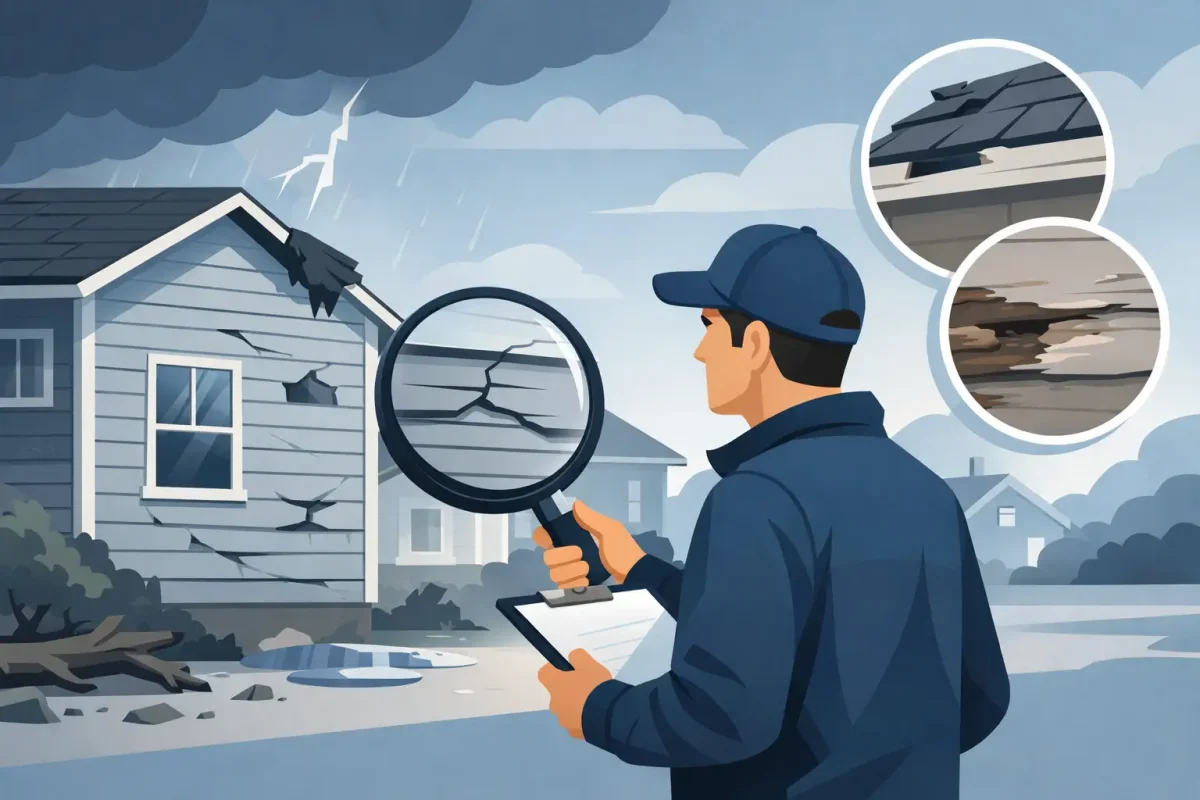
A windstorm can leave more than a few loose pieces of siding behind. One cracked panel, lifted seam, or missing corner can give rain a direct path into the wall system. Storm damaged siding repair should start quickly, but it should also start with a careful inspection that identifies the full extent of the problem – not just the most visible damage from the driveway.
For homeowners, the goal is simple: stop water from getting behind the siding, preserve the structure beneath it, and restore the appearance of the home without paying for work that is not needed. The right repair depends on the siding material, the age of the installation, the condition of the house wrap, and whether nearby exterior components were affected too.
What to Do After Storm Damage
Before touching damaged siding, look for immediate safety concerns. Keep clear of downed power lines, unstable branches, loose soffit, or pieces of siding that could fall. If wind has pulled siding away from the wall, avoid trying to force it back into place. Vinyl and aluminum can crack in cooler weather, while damaged fasteners and hidden moisture may make a simple-looking repair more complicated.
Walk around the home when it is safe and take clear photos from several angles. Photograph missing panels, dents, cracks, loosened trim, damaged corners, and debris that may have struck the exterior. Also check the areas where siding meets the roofline, windows, doors, garage, soffit, fascia, and eavestroughs. Storm damage often affects more than one component, especially after high winds or hail.
If rain is expected and siding is hanging open, arrange for a professional assessment promptly. Temporary protection may be needed to prevent water intrusion while the final repair is planned. A quick response can be the difference between replacing a few panels and repairing damaged sheathing, insulation, or interior drywall later.
Signs Storm Damaged Siding Repair Is Needed
Missing siding is easy to spot. Less obvious damage is often where the bigger repair bill begins. Look for panels that are warped, buckled, split, punctured, faded in isolated spots, or pulling away from the wall. Hail can leave small impact marks that may not be obvious until the light hits the siding at an angle.
Pay attention to gaps at seams and around windows or doors. Siding is designed to shed water, not hold it back like a waterproof barrier. When panels, flashing, trim, or caulking are damaged, wind-driven rain can move behind the exterior finish and soak the materials below.
Inside the house, new drafts, water stains, peeling paint, a musty smell, or damp drywall near an exterior wall can point to a problem behind the siding. Those signs do not always mean the siding is the only issue, but they are a reason to have the exterior checked without delay.
Repair or Replacement: What Makes Sense?
Not every storm requires full siding replacement. If the damage is limited to a small area and matching material is available, replacing individual panels can be a practical, cost-effective solution. This is often the best path when the existing siding is in good condition and the underlying wall is dry and intact.
A larger replacement may make more sense when damage is spread across several elevations, the siding is brittle or near the end of its service life, or the original color has faded enough that new panels will stand out. Matching older siding can be difficult, particularly after years of sun exposure. A professional can explain whether a close match will look acceptable or whether replacing a larger section will create a cleaner result.
The material matters, too. Vinyl siding can crack or unhook in high winds. Fiber cement may chip or fracture from hail and flying debris. Wood siding can split, loosen, or retain moisture after a storm. Aluminum siding may dent rather than crack, but those dents can still affect curb appeal and may expose weak points at seams or fasteners.
The most important question is what happened behind the visible siding. If moisture reached the house wrap, sheathing, or insulation, covering the area with a new panel is not a complete repair. Damaged materials need to be opened, dried, and corrected before the exterior is closed again.
Why the Wall Behind the Siding Matters
Siding is part of a system. It works alongside house wrap, flashing, trim, soffit, fascia, gutters, and roofing details to direct water away from the home. A storm can damage several parts of that system at once.
For example, a loose eavestrough can overflow against the siding during heavy rain. Damaged fascia can allow water behind the gutter line. Missing flashing around a window can cause leaks that appear to be siding damage from the outside but show up as stains indoors. Looking at each problem separately can miss the real source of water entry.
A proper inspection should include the siding surface, attachment points, seams, corners, window and door trim, roof-to-wall transitions, and gutter system. If repairs are needed in more than one area, coordinating the work helps avoid redoing finished sections later. It also gives the home a more consistent appearance when trim, siding, and drainage components are updated together.
What a Professional Siding Inspection Should Include
A reliable exterior contractor should provide a clear assessment rather than guessing from one photograph. The inspection should identify visible storm damage, check for loose or compromised sections, and determine whether there are signs of moisture behind the siding.
From there, you should receive a straightforward recommendation: repair the affected area, replace a larger section for a better match, or consider a broader exterior update if multiple components are failing. The estimate should explain the scope of work, materials, trim details, removal of damaged sections, and cleanup.
Professional installation matters because siding needs room to expand and contract. Panels that are nailed too tightly can buckle. Panels that are not secured correctly can loosen again in the next storm. Proper flashing, water management, and finishing details are what keep a repair from becoming a repeat problem.
Ask about labor and material warranties before work begins. A contractor should also be licensed and insured, protect landscaping and surrounding surfaces during the project, and leave the property clean when the work is complete. Fast service is valuable after a storm, but speed should not mean skipping the inspection or covering over wet materials.
Timing, Insurance, and Preventing Further Damage
If the storm caused widespread damage, contact your insurance company after documenting the condition of the home. Keep photos, notes about the storm date, and copies of any repair estimates. Coverage varies by policy and cause of damage, so a contractor should assess the exterior condition while the insurer determines the claim.
Do not wait for a small opening to become a major leak. Water damage can progress quietly behind siding, especially during repeated rain. At the same time, do not assume every dent or loose panel requires replacing the entire exterior. A detailed inspection gives you the information to make a sensible decision based on protection, appearance, and long-term value.
Once the repair is complete, keep gutters clear, watch for loose trim after severe weather, and address small exterior issues early. The best storm damaged siding repair is one that restores the wall system properly and gives you confidence the next hard rain stays where it belongs – outside your home.

10 August 2026
Best Eavestrough Materials for Homes Compared

10 August 2026