
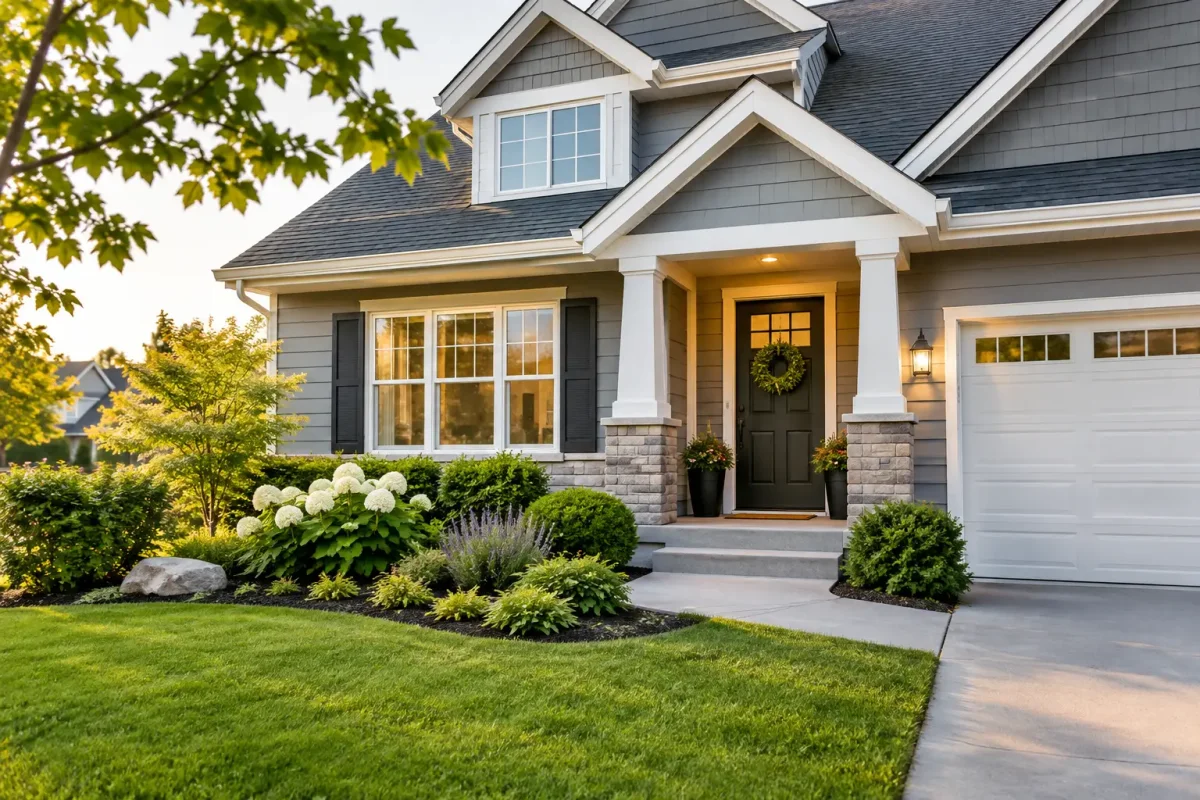
A tired exterior rarely has just one issue. Faded siding can make new windows look out of place. Overflowing gutters can stain otherwise attractive brick. A worn roofline can pull attention away from a well-kept yard. If you want to improve curb appeal home exterior, the best results come from looking at the whole system, not treating every feature as a separate project.
For homeowners, curb appeal is about more than making a good first impression. It helps protect your property from water, wind, temperature swings, and everyday wear. The right exterior improvements can also reduce maintenance demands, support energy efficiency, and give your home a more finished, valuable appearance.
Start With the Features People See First
From the street, most people notice the roofline, siding, front entry, windows, and drainage system before anything else. That is why exterior upgrades should be planned in a visible order. Fixing damaged or outdated components near the top of the house often makes a bigger difference than adding decorative touches at ground level.
A professional exterior inspection is a practical first step. It identifies issues that may not be obvious from the driveway, such as loose fascia, cracked siding panels, failing caulking, blocked eavestroughs, or roof damage near valleys and vents. Addressing these problems early protects the structure and prevents a cosmetic project from covering up a larger repair.
It also helps you prioritize. If your siding is in good condition but the gutters are leaking and the fascia is rotting, drainage should come first. If the roof is nearing the end of its service life, choosing new siding colors before selecting roof shingles can lead to a mismatched finished look.
Upgrade Siding for a Bigger Visual Change
Siding covers a large portion of your home, so it has one of the strongest effects on curb appeal. Cracks, warping, faded color, and visible patch repairs can make even a structurally sound home appear neglected. New siding gives the exterior a clean, consistent surface while adding a layer of protection against moisture and harsh weather.
Color selection matters, but durability should lead the decision. A classic neutral siding color can work well with many roofing and stone choices, while darker colors can create a sharper, more modern appearance. The right option depends on your home’s architecture, the amount of shade around the property, and how much contrast you want around trim, doors, and windows.
For many homeowners, vinyl siding offers reliable performance with lower maintenance. Fiber cement and engineered wood products may be a better fit when you want a specific texture or a more substantial profile. Every material has trade-offs in cost, maintenance, installation requirements, and long-term appearance. A contractor should explain those differences clearly before you commit.
Use Trim to Create a Finished Look
Soffit, fascia, window trim, and corner details are easy to overlook, but they make siding installation look complete. Fresh, properly aligned trim creates clean lines around the home and helps frame key features such as upper windows and entryways.
Soffit and fascia also have a job beyond appearance. Soffit supports attic ventilation, while fascia helps hold the eavestrough system in place. When these components are deteriorated, replacing them along with siding or gutters often saves time and avoids reopening finished areas later.
Make the Roofline and Drainage System Work Together
A clean roofline signals that a home is cared for. Missing shingles, sagging eavestroughs, peeling fascia, and dark water streaks quickly undermine the appearance of the entire exterior. More importantly, they can point to water-management problems that put your roof deck, walls, foundation, and landscaping at risk.
Eavestrough replacement is one of the most practical curb appeal upgrades because it improves both appearance and performance. New gutters sit straight along the roof edge, move water away from the home, and eliminate the stained, neglected look caused by recurring overflows. Correctly placed downspouts are just as important. Water should be directed away from the foundation without creating slippery walkways or washing out garden beds.
If your roof is aging, coordinate roofing and gutter work whenever possible. This makes it easier to match colors, protect newly installed materials, and complete the roofline in one organized project. It can also reduce the inconvenience of having multiple crews return at different times.
Give the Front Entry More Presence
Your front door is a focal point, but it should not be treated as an isolated accent. The best entry upgrades connect with the siding color, trim, stonework, and window style around them. A new door can make the home feel more secure and welcoming, especially when paired with updated exterior trim and properly functioning storm protection.
If the existing door is drafty, difficult to lock, or visibly worn, replacement delivers benefits beyond curb appeal. A quality entry door and professional installation can improve comfort near the entrance and help reduce unwanted air leakage. For homes with an enclosed porch or a frequently used side entrance, replacing worn doors can make daily use safer and more convenient.
Window upgrades can have a similar effect. Old windows with damaged frames, fogged glass, or peeling exterior cladding make a house look dated. New windows sharpen the appearance of the facade and can improve indoor comfort. However, window replacement should be planned around the siding and trim details so flashing, sealing, and exterior finishes are handled correctly.
Add Stone Veneer Where It Has Impact
Stone veneer can bring depth and character to an exterior without covering the entire house. It is especially effective around front entries, lower wall sections, columns, garages, and porch foundations. Used in the right locations, stone creates a stronger visual base and breaks up long stretches of siding.
Restraint matters here. Too much stone, or a color that competes with the siding and roof, can make an exterior feel busy. Choose tones that complement the permanent features of the home. Warm gray, charcoal, beige, and natural earth tones tend to provide flexibility, but the best choice depends on the overall color plan.
Stone veneer installation also needs proper preparation and moisture management. This is not a place for shortcuts. A professionally installed system should look intentional, sit correctly against adjacent materials, and perform through changing weather conditions.
Plan Exterior Colors Before Work Begins
A coordinated palette makes individual upgrades look like one complete transformation. Most homes need three main exterior colors: a dominant siding or wall color, a secondary trim color, and an accent color for the front door or shutters. Roofing and stone should be treated as major permanent colors as well, not afterthoughts.
Before choosing, look at sample materials outside in natural light. Colors can appear very different in morning sun, full afternoon light, and shade. Consider nearby homes without copying them exactly. You want your property to fit the neighborhood while still looking distinct and well maintained.
Avoid selecting materials one at a time based only on a showroom sample. A contractor can help compare siding, roofing, gutter, trim, and stone options together. That planning step is what prevents a new component from making an older component look worse.
Choose Projects That Protect Value, Not Just Appearance
The fastest visible fix is not always the best investment. Painting a stained fascia board may improve the look for a season, but it will not solve underlying rot. Replacing a few damaged siding pieces may be sensible for a small impact area, but widespread fading or repeated repairs can make full replacement more cost-effective over time.
This is where a site-specific quote is useful. It should separate necessary repairs from optional appearance upgrades and explain what each part of the project accomplishes. Homeowners deserve to know whether a recommendation addresses water protection, energy efficiency, structural condition, or visual improvement.
At Petra Eavestrough & Siding, coordinated exterior work is planned around the condition of your home, the materials that make sense for your budget, and a clean finished result. One organized exterior project can be less stressful than managing separate roofing, siding, gutter, window, and trim contractors over several seasons.
Improve Curb Appeal With a Clear Project Plan
The strongest exterior transformations begin with a simple sequence: inspect the property, identify water and weather-related concerns, select materials that work together, and schedule installation in the right order. Roofing, eavestroughs, soffit, fascia, siding, windows, doors, and stone veneer all affect one another at transition points.
When those details are planned properly, the difference is visible from the curb and dependable up close. Your home should look cared for, but it should also be ready for the weather, the seasons, and the years ahead. Start with the areas that need protection most, then let the finished exterior reflect the value you have built inside.
3 October 2026
8 Siding Transformation Examples That Add Value
3 October 2026