
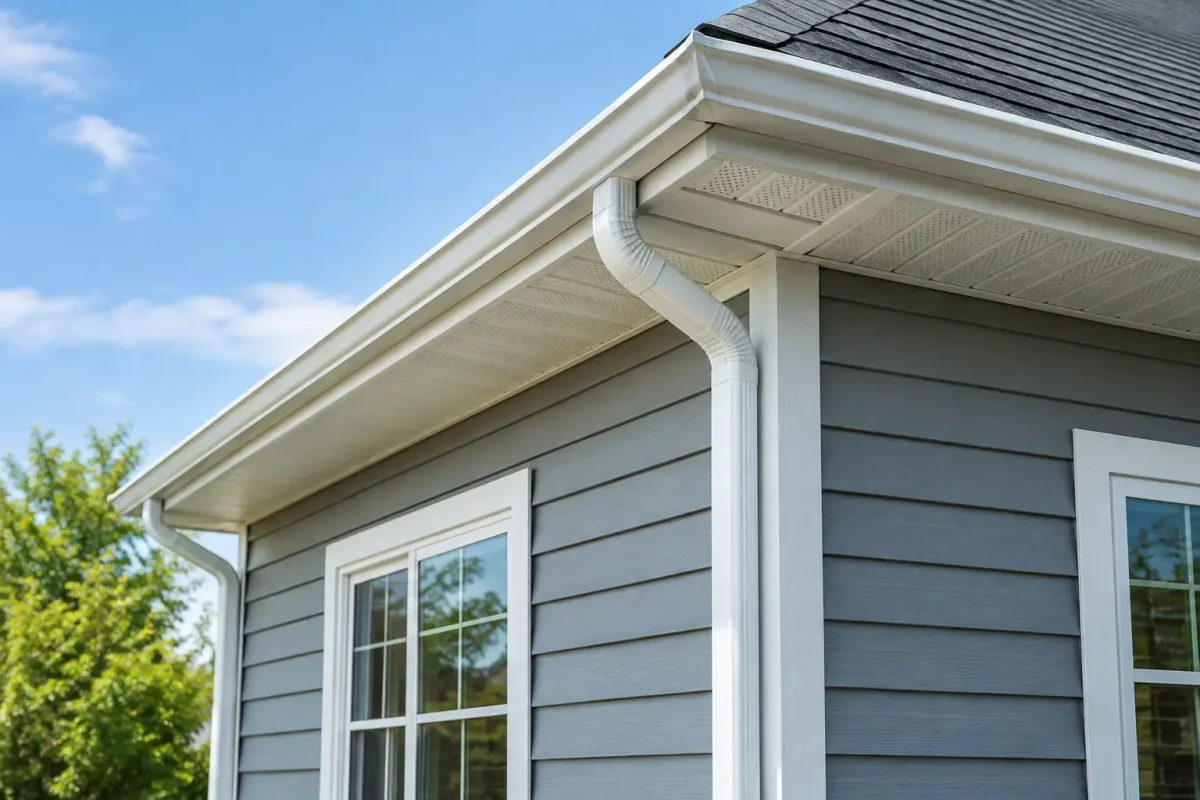
A gutter overflowing beside your foundation is rarely just a gutter problem. Water can stain siding, soak fascia boards, damage soffits, and find its way into the areas of your home that are expensive to repair. Petra Eavestrough and Siding helps homeowners address these connected issues with a practical plan that protects the home from the roofline down.
For homes in Hamilton, Burlington, and Oakville, exterior materials face heavy rain, snow, wind, and year-round temperature swings. Replacing one worn component may solve an immediate issue, but a coordinated exterior upgrade often delivers better protection, cleaner curb appeal, and fewer surprises later.
When Eavestrough and Siding Should Be Planned Together
Eavestroughs direct rainwater away from the roof, walls, foundation, and landscaping. Siding protects the wall system from moisture and gives your home its finished appearance. Between them sit soffit and fascia, two components that support ventilation, cover vulnerable roof edges, and create a clean transition from roof to wall.
When one area fails, the others can be affected. Leaking or undersized gutters may allow water to run behind the fascia or down the siding. Damaged fascia can make it difficult to securely install new eavestroughs. Cracked, warped, or loose siding can expose the wall beneath to moisture and drafts.
That does not mean every project requires a full exterior renovation. If your siding is in good condition and the issue is limited to a sagging gutter section, a targeted eavestrough replacement can be the right choice. But when several components are aging at once, completing the work together can reduce repeat labor, ensure better material coordination, and give the home a more consistent finish.
Signs Your Exterior Needs Attention
Homeowners often notice the problem after a major storm, but the warning signs usually appear earlier. Watch for water spilling over gutters during normal rain, gutters pulling away from the roofline, peeling paint on fascia, dark stains beneath eaves, or soft spots around trim.
Siding concerns can be just as visible. Look for panels that are cracked, buckled, faded unevenly, or loose at the seams. Higher energy bills, drafts near exterior walls, and visible gaps around windows and doors can also point to an exterior that is no longer doing its job well.
A professional on-site inspection helps separate cosmetic wear from conditions that need prompt repair. It also helps homeowners avoid replacing a visible surface while leaving hidden water damage or ventilation concerns behind it.
Choosing Materials That Fit the Home
The best material choice depends on your home’s style, budget, maintenance expectations, and the condition of the existing exterior. Durable vinyl siding is a popular option for homeowners who want a clean appearance with low upkeep. Stone veneer can add definition around entrances, garages, or lower walls, while new soffit, fascia, and eavestroughs provide the finished details that make the entire project look complete.
For eavestroughs, proper sizing and placement matter as much as the material. A system should be designed to handle roof runoff, direct water toward effective downspout locations, and keep discharge away from the foundation. A larger gutter is not automatically necessary for every home, but undersized or poorly sloped gutters can create recurring overflow problems.
Color coordination deserves attention as well. Matching or complementing siding, trim, fascia, and gutter colors makes the exterior look intentional rather than pieced together over time. This is especially valuable when improving curb appeal before a sale or updating an older home for long-term ownership.
What a Well-Managed Exterior Project Looks Like
A straightforward process keeps the work moving and makes decisions easier. It begins with an inspection of the roofline, drainage path, siding condition, trim, and areas where water may be entering or collecting. From there, the contractor can recommend whether the project should focus on a repair, a replacement, or a broader exterior update.
Before installation begins, homeowners should receive a clear scope of work that explains the materials, affected areas, expected timeline, and warranty coverage. During the project, protecting landscaping, keeping the site organized, and removing old materials promptly are not extras. They are part of doing residential work responsibly.
At Petra Eavestrough & Siding, the goal is to make exterior work easier to manage by coordinating the trades that homeowners commonly need: siding, gutters, soffit and fascia, roofing components, windows, doors, and stone veneer. That approach can be especially useful when water damage, aging finishes, and energy-efficiency concerns overlap.
Protect the Details Before They Become Repairs
The strongest exterior upgrades are not only about a new look. They direct water where it belongs, support ventilation, reduce exposure at seams and roof edges, and give your home a finish built for the seasons ahead.
If you have noticed overflow, worn siding, damaged trim, or unexplained moisture near the roofline, start with a thorough inspection. A clear assessment now can help you choose the right scope of work and protect the parts of your home that matter most.

6 October 2026
Why We Chose Petra Eavestrough and Siding
6 October 2026