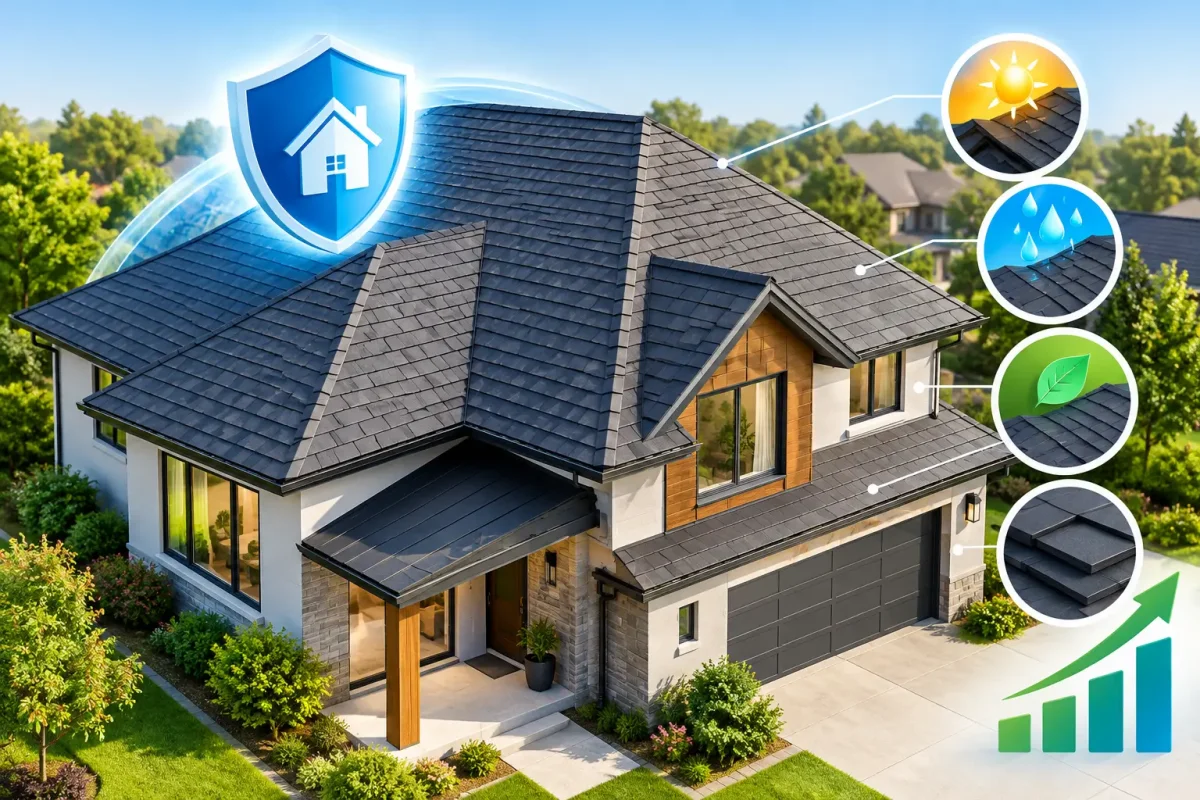
A roof has one job that matters more than any other: keep water out of your home. But current roofing trends show that homeowners are also expecting more from this essential system. They want a roof that handles harsh weather, supports better energy efficiency, complements new siding or windows, and adds visible value to the property.
The best upgrade is rarely the trendiest color or the most expensive material. It is the roofing system that suits your home’s design, local weather exposure, budget, and long-term plans. Here is what homeowners should know before choosing materials or scheduling a replacement.
Roofing Trends Focused on Performance
The strongest trend in residential roofing is not a particular shingle style. It is a shift toward complete systems. Homeowners are looking beyond the visible shingles and paying more attention to the layers underneath: underlayment, ice and water protection, flashing, ventilation, and attic insulation.
That is a smart change. A new roof can still develop leaks if flashing around chimneys, valleys, skylights, or wall intersections is poorly installed. In the same way, attractive shingles will not solve condensation problems caused by an under-ventilated attic. Quality installation and the details beneath the shingles have a direct effect on roof life.
For homes in areas that see snow, freeze-thaw cycles, high winds, and heavy rain, this system-based approach is especially practical. Ice and water membrane in vulnerable sections, properly placed vents, and secure flashing help reduce the risk of water backing up beneath the roof covering.
Better ventilation is becoming a priority
Many homeowners first notice ventilation issues when a roof is replaced. Signs can include excessive attic heat in summer, moisture on attic surfaces, mold concerns, ice dams in winter, or shingles that appear to age too quickly.
A balanced ventilation plan brings fresh air in through intake vents, often at the soffits, and allows hot, moist air to escape near the ridge. The exact setup depends on the roof shape, attic layout, and available intake area. Adding more exhaust vents without enough intake does not necessarily fix the problem.
This is also where exterior projects can work well together. If soffit, fascia, roofing, and eavestroughs are nearing the end of their service life, coordinating the work can produce a cleaner finish and avoid paying for overlapping labor later.
Impact-resistant materials are gaining attention
Storm protection is another reason homeowners are considering higher-performing shingles. Impact-resistant asphalt shingles are designed to better withstand damage from hail and windblown debris than standard options. They can cost more upfront, so they are not automatically the right choice for every home.
They make the most sense when a property is exposed to frequent severe storms, mature trees, or an open location with little wind protection. For other homeowners, a quality architectural shingle installed correctly may offer the best balance of durability, appearance, and cost.
Color and Style Trends in Roofing
Roof colors are moving toward more natural, layered looks. Weathered grays, charcoal, medium browns, and blended tones remain popular because they pair easily with brick, stone veneer, vinyl siding, and fiber cement siding. These colors can look current without feeling overly trendy five years later.
Darker roofs still create a sharp, classic appearance, especially on light-colored exteriors. However, they absorb more heat than lighter colors. That does not mean every home needs a light roof, but it is worth discussing attic ventilation, insulation, sun exposure, and indoor comfort before selecting a deep black or dark charcoal shingle.
Lighter gray, taupe, and soft brown roofs are often a practical choice for homeowners who want a more reflective appearance without making the roof a focal point. The goal is coordination, not contrast for its own sake. Bring siding, brick, trim, and stone samples into the decision whenever possible.
Architectural asphalt shingles continue to lead the residential market because they provide dimension and a more substantial look than basic three-tab shingles. They are available in a wide range of colors, perform well when installed as a complete system, and fit many budgets.
Metal roofing is also receiving more attention for its long service life, fire resistance, and crisp appearance. It can be an excellent option, but it comes with a higher initial investment and requires a contractor experienced with the material. Noise concerns are usually overstated when a metal roof is installed over proper decking and underlayment, but the design, fastening method, and flashing work still matter greatly.
Energy Efficiency Starts Below the Shingles
A new roof can support a more comfortable home, but shingles alone do not create energy efficiency. The biggest gains often come from addressing the attic as a whole.
Air leaks around light fixtures, attic hatches, plumbing stacks, and other openings can allow conditioned air to escape. Insufficient insulation makes the issue worse. During a roofing project, an inspection can identify whether poor attic conditions are contributing to high energy bills, uneven room temperatures, or winter ice buildup.
Reflective roofing products and lighter colors can help reduce heat absorption, particularly on homes with long periods of direct summer sun. Still, the result depends on several factors. A heavily shaded home will benefit differently than a home with a large, unshaded south-facing roof. Local building requirements and roof design also affect the available options.
If you are replacing windows, siding, or insulation soon, think about the exterior as one connected system. A roof replacement is a good time to check flashing where walls meet the roof, inspect fascia boards for rot, and confirm the eavestrough system can move water safely away from the foundation.
What to Watch for Before a Roof Replacement
Homeowners do not need to wait for an active ceiling leak before calling for an inspection. Missing shingles, cracked or curling edges, dark granules collecting in gutters, exposed nail heads, sagging roof areas, and water stains in the attic all deserve attention.
Age matters, but it is not the only factor. A roof may need replacement earlier than expected because of storm damage, poor ventilation, inadequate installation, or neglected flashing. On the other hand, a roof that is older but still watertight and in good condition may only need targeted repairs.
A professional inspection should include more than a view from the driveway. The contractor should assess the roof covering, flashing, penetrations, valleys, ridge area, gutters, soffit and fascia, and accessible attic conditions. Ask what needs immediate repair, what can be monitored, and whether related exterior work should be completed at the same time.
Choosing a Trend That Will Still Work Years From Now
Trend-driven decisions should never outweigh basic roof performance. A bold color might look great in a sample board but clash with the home once installed. A premium material may carry a long warranty, yet that warranty will not compensate for improper installation or inadequate ventilation.
Focus first on the essentials: a material suited to your climate, a contractor who is licensed and insured, clear details about the installation scope, strong manufacturer and labor warranty coverage, and a plan for protecting landscaping and cleaning the site. Then choose the color and profile that fit your home.
For homeowners planning a full exterior update, Petra Eavestrough & Siding can help coordinate roofing with siding, soffit, fascia, and eavestrough work so the finished exterior looks intentional and performs as one system.
The right roof should give you more than a fresh look from the street. It should give you confidence during the next hard rain, snowstorm, or wind event – and that starts with a thorough inspection before any material is selected.
19 October 2026
How to Plan an Exterior Renovation That Lasts

19 October 2026