

A buyer can spot a tired exterior before they reach the front door. Peeling trim, sagging gutters, missing shingles, and drafty windows create a fast impression that the home may need more work than the listing price suggests. The right home resale upgrades change that impression by showing buyers the property has been protected, maintained, and prepared for the years ahead.
Not every renovation pays back the same way. If you plan to sell soon, prioritize work that solves visible problems, prevents expensive damage, and improves curb appeal without turning the project into an overbuilt customization. A clean, coordinated exterior is often more persuasive than one dramatic feature.
1. Repair or Replace a Worn Roof
The roof is one of the first things buyers, home inspectors, and appraisers notice. Stained shingles, visible curling, bare spots, or moss growth can raise immediate questions about leaks, attic moisture, and replacement costs. Even if there is no active leak, an aging roof can become a negotiating point that slows down a sale.
A roof replacement makes the most sense when it is near the end of its useful life, has storm damage, or shows widespread wear. If the roof still has solid life remaining, a professional repair, flashing replacement, or cleanup may be the smarter investment. The goal is not to replace every component before listing. It is to remove reasonable buyer concerns.
Choose a shingle color that works with the siding, brick, and trim. Neutral tones tend to appeal to more buyers and help the entire exterior look intentional rather than pieced together.
2. Upgrade Siding Where Damage Is Visible
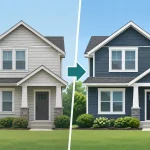
Siding affects curb appeal more than almost any other exterior surface because it covers so much of the home. Cracked panels, fading color, loose sections, wood rot, or recurring moisture stains make a house look neglected, even when the interior is well maintained.
Full siding replacement can be a strong resale move for a home with broadly worn or outdated cladding. It can also improve insulation and reduce ongoing maintenance, which gives buyers a practical benefit beyond appearance. For homes with isolated damage, targeted repair may be enough, especially when replacement material can be matched closely.
When choosing siding for resale, focus on durability and broad appeal. Vinyl, engineered wood, and fiber-cement options each have different costs and maintenance needs. The best choice depends on the home’s style, local weather exposure, and the surrounding neighborhood. A high-end product is not automatically the right choice if it pushes the home well beyond comparable properties nearby.
3. Fix Gutters, Fascia, and Drainage Problems
Gutters are not usually the feature that sells a home. But failed gutters can quickly become the issue that makes buyers worry about the foundation, roof edge, and basement. Overflowing water, detached downspouts, rusted sections, and rotted fascia are clear signs that water may not be moving away from the house correctly.
Replacing damaged gutters and extending downspouts can be one of the most practical home resale upgrades because it protects the structure while cleaning up the roofline. New gutters also look sharp when paired with fresh fascia, soffit, and trim.
Pay attention to the whole drainage path. Water should collect properly, move through the downspouts, and discharge away from the foundation. If grading, splash blocks, or downspout placement are working against the system, a new gutter alone will not solve the problem. Buyers may not inspect every detail themselves, but their home inspector will.
4. Refresh Windows and Exterior Doors
Windows and doors are highly visible, and buyers notice when they are difficult to open, fogged between panes, warped, or drafty. They also shape the home’s energy-efficiency story. A house that feels cold near the windows or has a front door that sticks can make buyers assume bigger maintenance issues are waiting.
Replacing every window before selling is not always necessary. If your windows are functioning well and look good, simple maintenance can go a long way: repair screens, replace damaged weatherstripping, clean tracks, and address failed caulking. But if windows are old, inefficient, or visibly deteriorated, replacement can strengthen both curb appeal and buyer confidence.
The front door deserves special attention. A solid, well-fitted entry door with updated hardware makes the entrance feel secure and welcoming. This is a place where a modest investment can have an outsized visual effect, particularly when the door color complements the rest of the exterior.
5. Add Stone Veneer With Restraint
Stone veneer can give a plain front elevation more depth and character. Used around an entryway, lower facade, porch columns, or garage area, it creates a finished look that photographs well and helps a home stand out from similar listings.
The trade-off is that stone veneer should complement the architecture, not overpower it. Covering too much of the facade or selecting a trendy color that clashes with the roof and siding can limit its appeal. For resale, a balanced application in a neutral, natural-looking palette is usually the safer choice.
Professional installation matters here. Improperly installed veneer can create moisture concerns and visible alignment problems. Buyers may not know the technical details, but they can recognize work that looks clean, secure, and well integrated with the rest of the home.
6. Improve the Details Around the Roofline
Soffit, fascia, trim, and exterior vents are easy to overlook until they are stained, bent, peeling, or damaged by pests. Yet these details frame the roof and siding. When they look worn, even a recently painted home can feel unfinished.
Updating these components during a siding, roofing, or gutter project is often more efficient than treating each item as a separate job. Coordinating materials and colors creates a finished appearance, and it reduces the chance that a fresh new feature highlights an older damaged one next to it.
This is also a protection issue. Proper soffit ventilation supports attic airflow, while sound fascia provides a solid mounting surface for gutters. A buyer may see the visual improvement first, but the functional value is what helps prevent future trouble.
7. Choose a Coordinated Exterior Plan
The strongest resale results often come from a few connected improvements instead of a long list of unrelated projects. For example, replacing worn siding while updating gutters, fascia, and exterior trim can make the entire home look newer. Pairing a roof repair with improved drainage and a refreshed front door creates the same effect.
Before committing to a project, walk across the street and look at the house as a buyer would. Ask what stands out first: the roofline, siding condition, front entry, windows, or landscaping. Then schedule a professional exterior inspection to identify issues that are cosmetic, urgent, or likely to appear on an inspection report.
Avoid hiding damage with paint, caulk, or a quick patch that will not hold up. Buyers and inspectors are quick to notice rushed work, and a failed repair can cost more in negotiations than a proper fix would have cost before listing. Keep invoices, warranties, and material information organized so your agent can show buyers the work was completed professionally.
The best pre-sale exterior project is not necessarily the biggest one. It is the one that helps the next owner see a home that looks cared for, stays protected from the weather, and feels ready to move into without a list of immediate repairs.

12 September 2026
Siding Color Trends That Add Lasting Curb Appeal
12 September 2026