
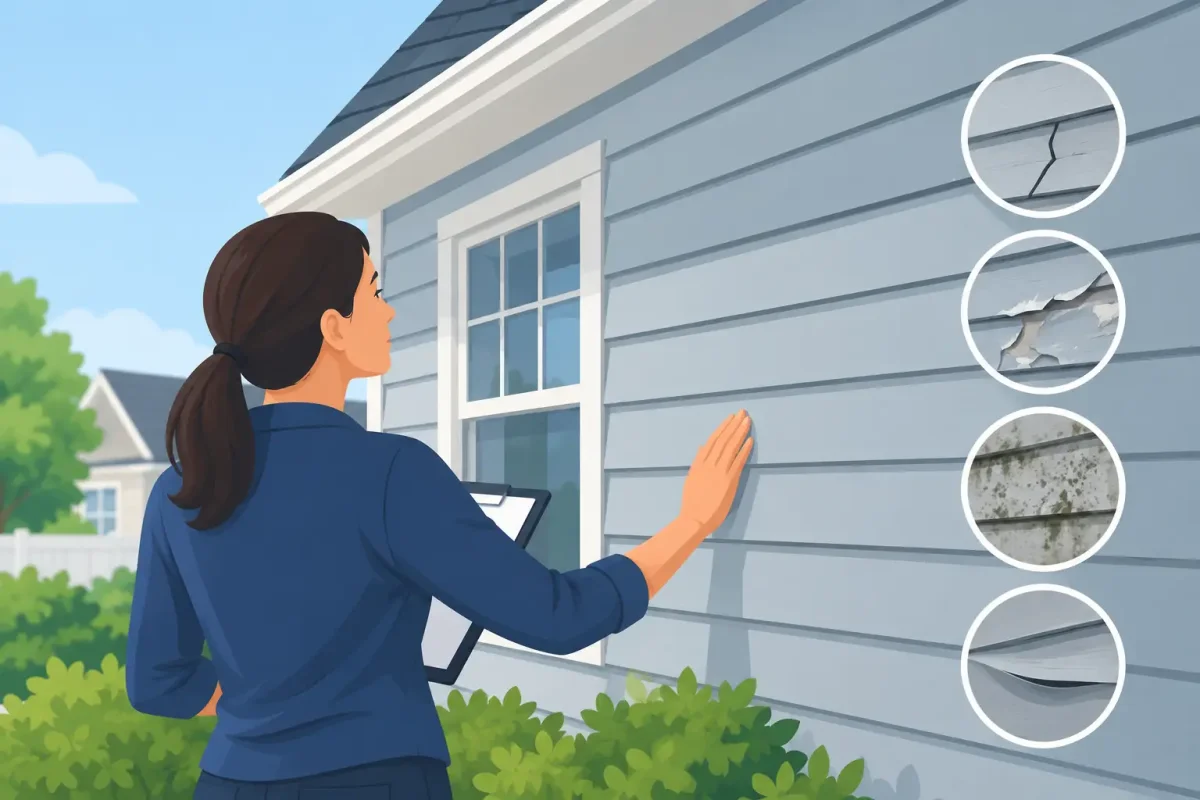
A small crack in siding can look like a cosmetic issue until the next wind-driven rainstorm sends water behind it. By the time staining, soft wall areas, or interior drafts appear, the problem may have spread beyond the exterior surface. Good siding does more than improve curb appeal. It protects the wall system, helps control energy loss, and gives your home a finished, well-maintained appearance.
For homeowners, the question is rarely whether new siding would look better. The real question is whether a repair will solve the issue or whether replacement is the smarter investment. The answer depends on the material, the extent of damage, the age of the installation, and what is happening underneath the panels.
Signs Your Siding Needs Professional Attention
Some siding problems are obvious, such as a panel that has blown loose after a storm. Others develop gradually and are easy to overlook during day-to-day life. A walk around your home each spring and fall can help you spot concerns before they turn into costly wall or framing repairs.
Cracks, holes, warped boards, and loose panels all deserve attention. Vinyl can become brittle with age or impact damage. Wood can split, rot, or absorb moisture. Fiber cement can crack if it was installed without proper clearances or fastening. Aluminum may dent, fade, or develop loose seams. No material is maintenance-free, but repeated repairs across several walls are often a sign that the system is nearing the end of its useful life.
Pay attention to joints around windows, doors, corners, rooflines, and utility penetrations. These are common areas for failed caulking, flashing problems, and water entry. Bubbling paint, peeling finishes, mold growth, or streaks below trim can also point to moisture that needs to be investigated.
Inside the home, cold rooms, drafts near exterior walls, and unexpectedly high heating or cooling costs can be part of the picture. Siding itself is not insulation, but a replacement project creates an opportunity to address damaged sheathing, improve air sealing, and add insulation where appropriate. That work can make a noticeable difference in comfort, especially on older homes.
Repair or Replace? Start With the Cause
A single damaged area does not always require complete replacement. If the material is still available, the surrounding siding is in good condition, and the damage is limited, a targeted repair may be the right call. Refastening a few panels, replacing storm-damaged pieces, or correcting trim around a window can restore protection without disturbing the rest of the exterior.
Replacement becomes more practical when damage is widespread, matching panels are no longer available, or moisture has affected the wall behind the siding. It is also worth considering when your existing exterior is faded, outdated, or no longer suits the home after new windows, doors, roofing, or stone veneer have been installed.
The key is not to cover over a problem. New panels installed over rotted sheathing, missing flashing, or an active leak can hide the warning signs while allowing damage to continue. A proper on-site inspection should look beyond the visible surface before a contractor recommends a scope of work.
Questions a Good Inspection Should Answer
Before approving a siding project, homeowners should have clear answers about where the damage is located, whether water has reached the sheathing, and what will be done to prevent the issue from returning. You should also know how window and door trim, exterior light fixtures, vents, downspouts, and roof-to-wall connections will be handled.
Ask whether damaged wood will be replaced, how weather-resistant barriers will be repaired, and where flashing will be installed. These details may not be the most visible part of a finished exterior, but they are the details that protect the home when the weather turns.
Choosing the Right Siding Material
The best material is not always the most expensive option. It should fit your home’s style, your maintenance expectations, your budget, and the conditions it will face over the years.
Vinyl remains a popular choice because it is cost-effective, low-maintenance, and available in a wide range of colors and profiles. Quality vinyl siding can provide long-term performance when it is installed correctly, with room for normal expansion and contraction. It is a practical choice for homeowners who want a clean update without the ongoing painting associated with wood.
Fiber cement offers a more substantial appearance and can closely resemble painted wood. It is valued for durability and design flexibility, but it requires careful installation and finishing. Because it is heavier and more labor-intensive than vinyl, the installed cost is typically higher. It may be a strong fit for homeowners focused on a traditional look or a specific architectural style.
Engineered wood can offer the warmth and detail of wood while requiring less maintenance than traditional wood cladding. It still needs correct installation, proper clearances, and routine attention to paint or factory finishes. For homeowners who like the character of wood but want a more predictable maintenance plan, it can be worth discussing.
Color matters as much as material. A light neutral exterior can make a smaller home feel larger, while darker colors add contrast and a more modern look. Keep in mind that very dark siding absorbs more heat, and color options can affect long-term fade resistance. Looking at physical samples outside, in direct sun and shade, is more reliable than choosing from a screen.
Installation Details That Protect Your Home
Siding performs as a system. The panels are only one layer of protection. Behind them are the weather barrier, flashing, trim, fasteners, ventilation details, and drainage paths that direct water away from the home.
A professional installation starts with surface preparation. Old material is removed where necessary, the wall is inspected, and damaged components are addressed before the new exterior goes on. Openings around windows and doors should be properly flashed. Trim should be fitted cleanly, and siding should be installed according to the manufacturer’s spacing and fastening requirements.
This is especially important around eavestroughs, soffit, fascia, and rooflines. Water from the roof must move into the gutter system and away from the foundation, not behind the siding or into exposed wood at the edges. When several exterior components are aging at once, coordinating them in one project can reduce duplicate labor and produce a cleaner finished result.
A quality contractor should also protect landscaping, manage debris, and leave the property tidy at the end of the job. Fast turnaround matters, but rushing preparation or skipping a final walkthrough is not a shortcut worth taking. The finished exterior should look straight, balanced, and complete from every angle.
Plan for the Full Exterior, Not Just One Wall
Replacing siding often reveals opportunities to improve the rest of the home’s exterior. New windows can be trimmed properly into the new wall system. Worn soffit and fascia can be replaced before they compromise roof-edge protection. Updated eavestroughs can improve drainage, while stone veneer can add definition to an entryway or lower façade.
You do not need to complete every upgrade at once. In some cases, a focused siding repair is the right decision. But when multiple elements are nearing the end of their lifespan, planning them together helps avoid removing recently installed material later. It also gives the home a more consistent appearance, from roofline to foundation.
What to Expect From the Project Process
A straightforward siding project should begin with an on-site assessment and a written estimate that explains the recommended work. The estimate should identify the material, color, trim approach, repair allowances, and any related work such as fascia or gutter replacement. Vague pricing can lead to surprises once work begins.
Once the material and schedule are confirmed, the installation team should communicate what needs to be moved or protected before arrival. During the project, homeowners should be updated if hidden damage or additional repair needs are discovered. At completion, a walkthrough gives you the chance to review the work, ask questions about care, and receive warranty information.
New siding is one of the most visible improvements you can make to a home, but its real value is what it prevents. Addressing damage early, choosing materials that fit your priorities, and insisting on careful installation can protect your property long after the job site is cleaned up.
22 September 2026
Why Is My Siding Buckling? Causes and Fixes
22 September 2026