
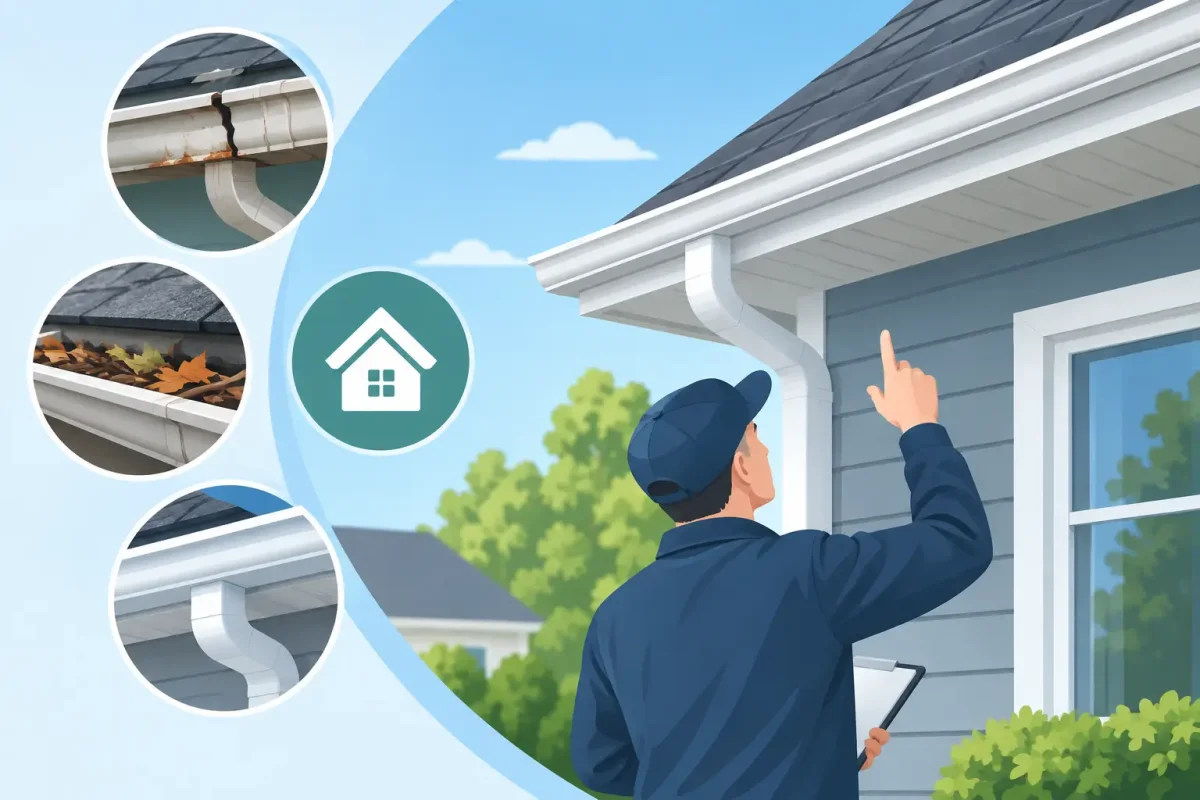
A single overflowing eavestrough can send more water against your home in one storm than most homeowners expect. That water can stain siding, soften fascia boards, undermine landscaping, and find its way toward the foundation. So, when should homeowners replace eavestroughs? The practical answer is when cleaning and minor repairs no longer control the water, or when the system is visibly failing around the roofline.
Eavestroughs are not a cosmetic extra. They are part of your home’s drainage system. In areas with heavy rain, snow, ice, and frequent freeze-thaw cycles, a worn system can become a costly exterior problem quickly. Replacing it before water damage spreads is usually the smarter and more affordable decision.
When Should Homeowners Replace Eavestroughs Instead of Repairing Them?
A small issue does not always call for full replacement. A loose hanger, minor seam leak, or one damaged downspout may be repairable when the rest of the system is in good shape. But repairs stop making sense when problems appear in several areas, return after each season, or involve the boards behind the eavestrough.
Age matters, but condition matters more. Well-installed aluminum eavestroughs can often last 20 years or longer with proper maintenance. Still, older systems may have outdated seams, undersized downspouts, poor slope, or corrosion that makes them less reliable than a new seamless installation. If your eavestroughs are approaching the end of their expected service life and showing multiple warning signs, replacement is worth serious consideration.
Water Overflow During Ordinary Rain
Overflow is one of the clearest signs that your system is not doing its job. Sometimes the cause is simple debris buildup. If cleaning restores normal flow, replacement may not be necessary.
If the eavestrough still overflows after cleaning, the issue could be improper pitch, undersized troughs, too few downspouts, or sections that have pulled away from the fascia. Water spilling over the same area can damage siding and create wet soil beside the foundation. A contractor should inspect the entire drainage path, not just the spot where water is visible.
Cracks, Holes, Rust, or Split Seams
Tiny holes and short cracks can sometimes be sealed. The trade-off is that sealant is a temporary fix when the metal is thinning, seams are separating, or multiple leaks are appearing. Water has a way of finding the next weak point.
Seamless aluminum eavestroughs reduce the number of joints where leaks commonly start. When an older sectional system has repeated seam failures, installing new continuous runs is often more dependable than paying for another round of patching.
Sagging, Pulling Away, or Standing Water
Eavestroughs should sit securely along a consistent line beneath the roof edge. Sagging sections, visible gaps behind the trough, or water sitting for days after a storm all point to a drainage or structural problem.
Standing water adds weight and accelerates deterioration. It may also indicate that the trough was installed without enough slope toward the downspout. Refastening one short section can help in limited cases, but widespread sagging often means the hangers, fascia board, or trough material needs more than a quick repair.
Signs the Problem Has Reached Your Home Exterior
The condition of your eavestroughs is only part of the inspection. Look at the areas they are meant to protect. Damage to nearby components can reveal a water-management issue that has been developing out of sight.
Peeling paint on fascia, dark staining under the roof edge, soft wood, and visible rot deserve prompt attention. Fascia is what supports the eavestrough, so installing a new system over damaged boards without correcting the underlying issue can shorten the life of the new work.
Watch for siding stains, mildew, or recurring damp spots near the bottom of exterior walls. These signs do not automatically mean the eavestroughs are at fault, but they are a reason to have the roofline, siding, and downspout placement evaluated together. Coordinated exterior work can prevent one unresolved issue from damaging the next component.
Foundation concerns are another reason not to wait. Water should be carried away from the house, not dumped directly beside it. Pooling water, eroded mulch, washed-out garden beds, or a downspout that ends at the foundation can raise the risk of moisture intrusion. Extending or redirecting downspouts may solve the problem if the troughs are sound. If they leak, sag, and drain poorly, replacement is the better long-term move.
Ice, Snow, and Roofline Damage Change the Timeline
Cold-weather conditions are hard on eavestroughs. Heavy snow and ice can bend metal, loosen fasteners, and pull troughs away from fascia. Ice dams can also force water behind the eavestrough and under roofing materials.
It is worth separating the symptoms from the cause. Replacing a bent eavestrough is necessary if it cannot drain properly, but it will not solve an ice-dam issue caused by heat loss, inadequate attic ventilation, or roof insulation gaps. A qualified exterior contractor can identify whether the home needs eavestrough replacement, fascia repair, roofing work, or a combination of services.
Do not assume an eavestrough should be replaced only because it has ice in winter. The concern is repeated damage, poor drainage after thawing, or visible separation from the home. Addressing those issues early can help prevent the next season from causing more extensive repairs.
How to Decide Between Repair and Replacement
Before authorizing work, ask for a clear inspection of the eavestroughs, downspouts, fascia, soffit, and roof edge. A dependable recommendation should explain what is failing, why it is failing, and whether a repair is likely to last.
Replacement is usually the right choice when you are dealing with four or more of the following conditions:
- Repeated leaks at seams, corners, or end caps
- Several sagging or detached sections
- Rust, cracks, holes, or bent metal in multiple areas
- Water overflow after the system has been cleaned
- Rotting fascia or staining behind the eavestrough
- Poor downspout placement or drainage near the foundation
If the problem is isolated, repair may be the better value. For example, one damaged downspout from a fallen branch does not necessarily mean the entire system has failed. On the other hand, replacing only one section of an older, faded, or poorly sloped system can leave you with a mismatched repair and the same drainage problems elsewhere.
What a Proper Eavestrough Replacement Should Include
A quality replacement is more than removing old metal and hanging new troughs. The installer should measure the roofline, set the right pitch, place downspouts where they can handle water volume, and secure the system properly to sound fascia.
Material and size should match the home. Many homes benefit from durable aluminum eavestroughs, while larger roof areas may need wider troughs or additional downspouts to prevent overflow. Color matching can also help the new system complement existing siding, soffit, fascia, and trim instead of looking like an afterthought.
This is also a good time to inspect connected exterior elements. If your fascia is soft, soffit vents are damaged, or siding near the roofline has water staining, handling those items during the same project can protect the new eavestrough system and avoid duplicate labor later. Petra Eavestrough & Siding can assess these connected details and provide a customized recommendation rather than treating drainage as an isolated repair.
Do Not Wait for Interior Water Damage
By the time water appears inside a home, the exterior problem may have been present for months or years. Ceiling stains, attic moisture, and wall damage can come from roofing issues as well as failing eavestroughs, which is why a professional inspection matters.
The best time to replace eavestroughs is before a leak becomes structural damage. If you see overflow, sagging, recurring leaks, or deterioration along the fascia, arrange an on-site assessment while the scope is still manageable. A properly designed and installed system gives rainwater and snowmelt one clear place to go: safely away from the home.

19 September 2026
9 Best Signs Your Siding Needs Replacement

19 September 2026