
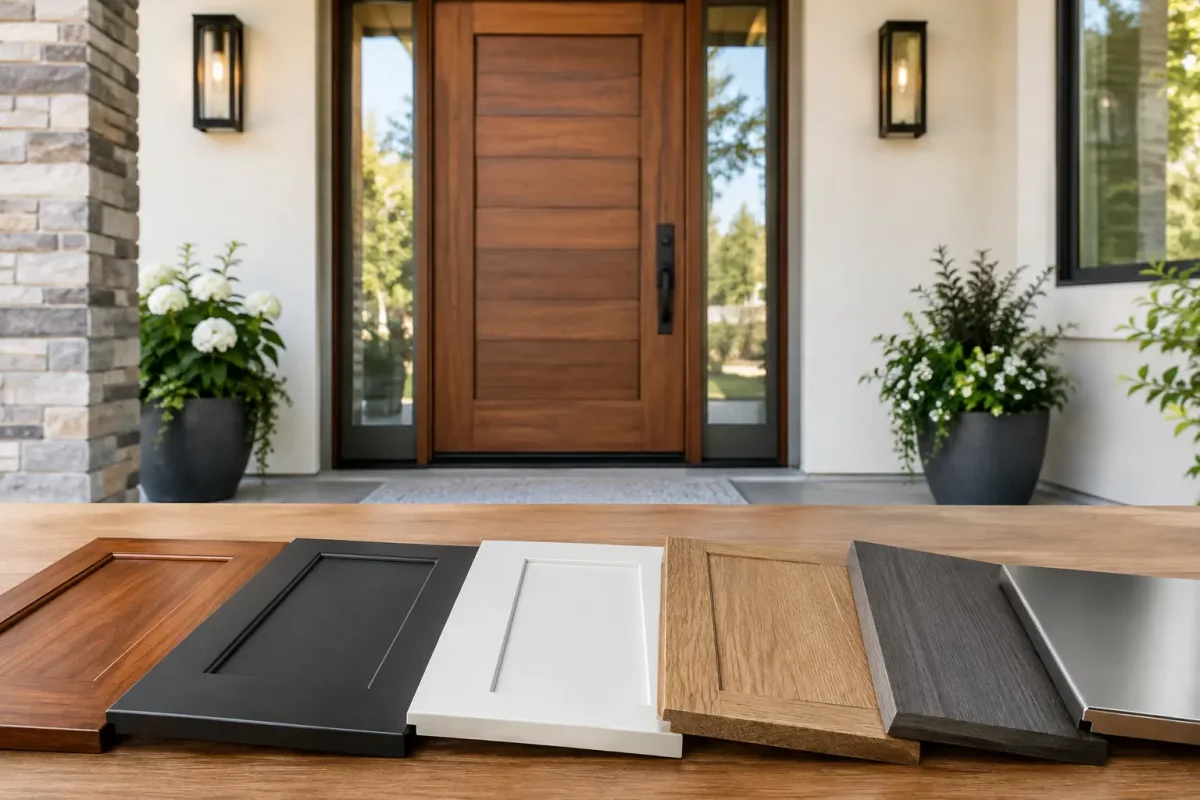
A front door has a hard job. It needs to stand up to rain, wind, sun, daily use, and changing temperatures while making your home feel secure and look well cared for. This entry door materials review focuses on the three choices most homeowners consider – fiberglass, steel, and wood – and where each one makes the most sense.
The right answer is not always the most expensive door or the one that looks best in a showroom. It is the material that fits your home’s exposure, your maintenance expectations, your budget, and the condition of the opening around it. A quality door installed in a poorly prepared frame can still leak air, stick, or show premature wear.
What Matters When Comparing Entry Door Materials
Before choosing a material, look beyond the door slab. A complete entry system includes the frame, sill, weatherstripping, hinges, lockset preparation, glass inserts if selected, and the installation itself. Those details affect comfort, security, and long-term performance as much as the face of the door.
For homes that deal with wet weather, freeze-thaw cycles, or strong afternoon sun, resistance to moisture and movement is especially important. A door also has to suit the home’s exterior. The right style can strengthen curb appeal, but it should not create a maintenance burden that becomes frustrating after a few seasons.
Energy performance is another practical factor. A well-insulated door with properly fitted weatherstripping helps reduce drafts near the entrance. If your existing door feels cold, lets in light around the edges, or has a damaged threshold, replacement may improve comfort even if the old slab still appears usable.
Fiberglass Entry Doors: The Best All-Around Choice
Fiberglass is often the strongest all-around option for homeowners who want durability, insulation, and a high-end appearance without frequent upkeep. These doors are made with a reinforced fiberglass skin and an insulated core. Many are available with a convincing wood-grain texture, so you can get the look of stained wood without choosing a solid wood door.
Fiberglass handles moisture well and will not rust like steel. It is also less likely than wood to swell, warp, or crack as conditions change. That makes it a practical choice for a covered or exposed front entrance, particularly when the door faces driving rain or receives direct sun for part of the day.
The trade-off is upfront cost. A good fiberglass system generally costs more than a basic steel door. Design choices such as sidelights, decorative glass, custom stains, and upgraded hardware can also increase the total investment. Still, for homeowners planning to stay in their home, fiberglass often provides excellent long-term value because it combines low maintenance with dependable performance.
When Fiberglass Makes Sense
Choose fiberglass if you want a door that looks substantial, performs well in changing weather, and needs little more than occasional cleaning and inspection. It works especially well for homeowners replacing an older wood door that has begun to stick, peel, or show water damage.
Steel Entry Doors: Strong Security at a Practical Price
Steel doors are popular because they offer solid security and a clean, modern look at a more accessible price point. They are typically built with a steel skin over an insulated core, which gives them good thermal performance and a reassuringly solid feel when closed.
For a budget-conscious replacement, steel can be a very smart choice. It is available in many styles, from simple flush panels to raised-panel designs and doors with glass inserts. When professionally installed and painted or factory finished correctly, a steel door can provide years of reliable service.
Its weakness is surface damage. Deep scratches and dents can expose bare metal, which may lead to rust if the area is not repaired promptly. Steel also transfers heat more readily than fiberglass, although insulated cores and quality weatherstripping help improve overall performance. A door that gets heavy direct sun may become hot to the touch, and dark finishes can make that more noticeable.
When Steel Makes Sense
Steel is a good fit when security and value are your top priorities. It is also a practical choice for side entrances, garage-to-house entry doors, and rental properties where a durable, cost-effective door is needed. Select a quality finish and address chips before moisture gets underneath the paint.
Wood Entry Doors: Classic Character With More Maintenance
Wood doors bring a depth and character that other materials can imitate but not fully duplicate. The grain, weight, and natural variation of real wood can suit traditional homes, historic properties, and entrances where architectural detail is the priority.
A properly built wood door can be beautiful, but it requires commitment. Wood responds to moisture and temperature changes. Without a protective finish and regular care, it can swell, shrink, crack, fade, or develop finish failure. A door under a deep covered porch will generally have an easier life than one fully exposed to rain and intense sun.
Wood is also usually the higher-cost choice, especially for custom sizes, decorative panels, or premium species. It may be worthwhile when preserving the style of an older home or creating a distinctive front elevation. But it is not the best choice for every household. If you want a low-maintenance door that can handle exposure with minimal attention, fiberglass is usually the safer investment.
When Wood Makes Sense
Choose wood when authentic appearance matters most and you are prepared to maintain it. Confirm that the finish, overhang, drainage, and installation details are appropriate for the door’s exposure. A beautiful wood door needs protection from the day it is installed.
Glass Inserts, Sidelights, and Privacy
Glass can turn a dark entrance into a brighter, more welcoming space. It can also change the character of the entire front exterior. Full-view glass, half-view glass, transoms, and sidelights are available with fiberglass, steel, and wood systems.
The trade-off is privacy and energy performance. Decorative, frosted, or textured glass can bring in daylight while limiting the view into your home. For clear glass, consider the sightlines from the street and whether the entry opens directly toward a living area. Insulated glass units help control heat loss, but more glass generally means less insulating material than a solid door.
Security should also be considered. Modern door glass can be made with safety glass and stronger glazing options, but hardware and installation still matter. A strong deadbolt, properly reinforced strike plate, and secure frame connection do more for everyday security than door material alone.
Why Installation Can Make or Break the Door
Even the best entry door will disappoint if the opening is not inspected and prepared correctly. Rot around the sill, damaged framing, poor flashing, uneven thresholds, and deteriorated trim can all cause problems that a new slab alone will not solve.
A professional installation should start with checking the existing opening for water damage and structural issues. The new system must be set square, shimmed correctly, insulated at the perimeter, sealed against weather, and tested for smooth operation. The installer should also confirm that the sweep contacts the threshold correctly and that weatherstripping seals without making the door hard to close.
This is particularly important when replacing a door as part of a larger exterior project. New siding, stone veneer, trim, soffit, or windows can change how water is managed around the entry. Coordinating the details helps create a cleaner finished look and reduces the chance of gaps or mismatched materials.
How to Choose the Right Door for Your Home
Start with the entrance itself. Is it protected by a porch, or fully exposed? Does it face intense sun, wind-driven rain, or frequent foot traffic? Then consider the look of the home and how much maintenance you want to handle over the next decade.
Fiberglass is usually the best fit for homeowners seeking a durable, energy-efficient front door with flexible design options. Steel is the practical choice for strong security and controlled costs. Wood is the premium choice for homeowners who value authentic character and accept the care it requires.
Do not choose based on material alone. Compare the full system, including insulation, glass, frame quality, finish, hardware, warranty coverage, and installation scope. A clear on-site assessment can identify issues around the opening before they turn into a surprise during installation.
A new entry door should feel like a finished improvement, not another item on your maintenance list. Choose the material that fits the way your home is exposed, then make sure the installation protects the opening behind it. That is how an entrance keeps looking sharp, closing properly, and protecting your home for years.
13 October 2026
Entry Door Installation Services That Last

13 October 2026